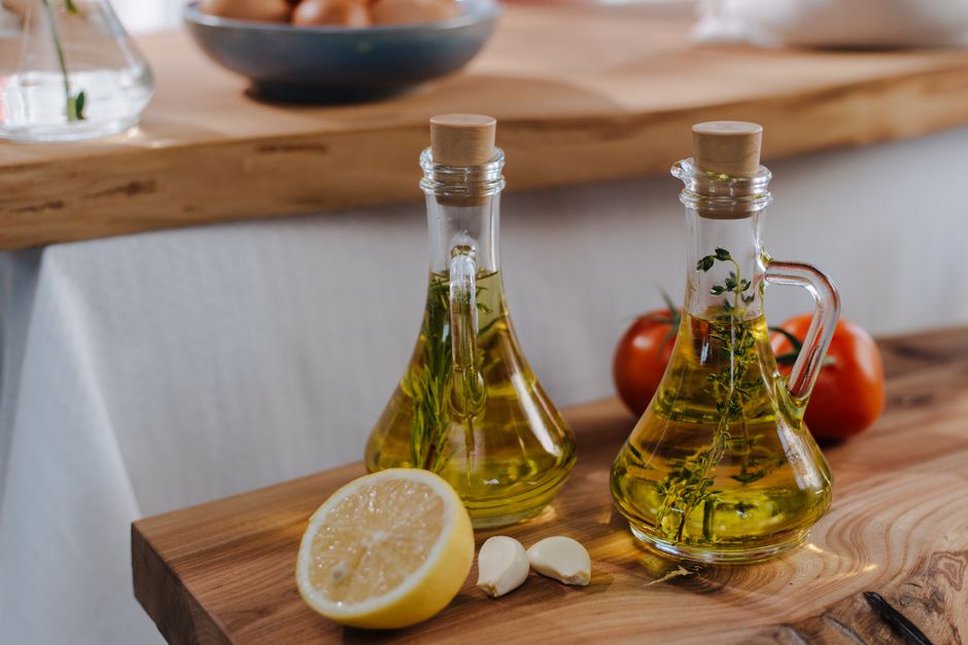
A generous pour of oil can make an otherwise comfortable paleo meal feel heavy. Before replacing every cooking fat, look at how much went into the pan and onto the plate. For digestive comfort, the amount may matter more than whether the bottle says olive, avocado, or coconut.
Oils help food cook evenly, carry flavor, and make vegetables more satisfying. But no oil has been shown to repair digestion or prevent bloating. The most useful choice depends on the dish, the heat, how the oil is stored, your tolerance, and the rules of any elimination plan you follow.
What makes an oil a sensible paleo choice?
Paleo eating generally favors minimally processed foods and often leaves out refined seed oils. That is a dietary convention, not a clinical test of whether an oil is safe or inflammatory. Olive and avocado oils are common choices because they come from fruit; coconut oil comes from coconut flesh. Some people use rendered animal fats, too. How an oil is processed, and what else is in the meal, tell you more than a plant-versus-seed label alone.
Oil is nearly all fat. Unlike whole olives, avocados, or coconuts, it contains no fiber. Fat slows stomach emptying, which can help a meal feel satisfying but may be uncomfortable when that meal is unusually rich. A tablespoon can be a handy measuring reference while you work out what feels comfortable; it is not a prescribed serving.
If you follow the autoimmune protocol (AIP) during an elimination phase, check the version you and your clinician have chosen. Olive, avocado, and coconut oil are commonly used, while seed-derived oils are generally avoided. Check ingredients in dressings, cooking sprays, and blended oils in particular. The guide to reading food labels for paleo and AIP elimination explains what to look for when the front of a package tells only part of the story.
The most versatile oils for everyday cooking
Extra-virgin olive oil: flavorful and flexible
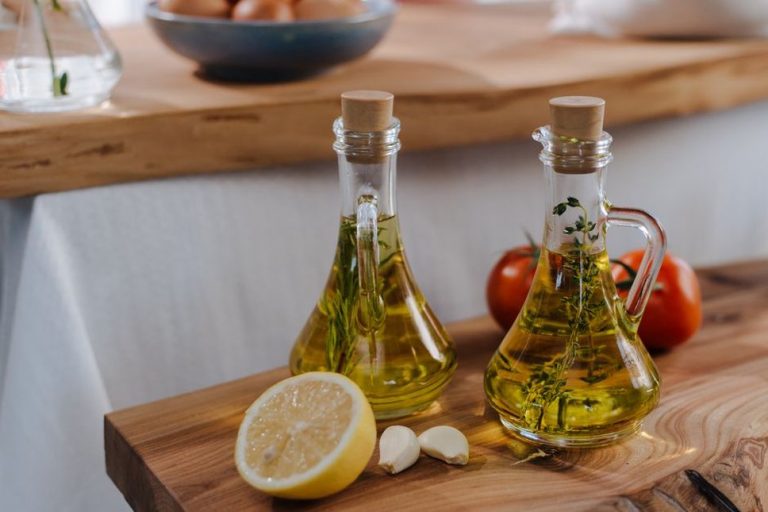
Extra-virgin olive oil is a good everyday starting point. It is rich in monounsaturated fat and retains small amounts of plant compounds through relatively gentle processing. Its flavor suits vegetables, fish, chicken, and dressings. Despite the warning that it must never be heated, it works for ordinary sautéing and oven cooking as long as the pan does not get too hot. Smoke points vary by product, so visible smoke is a more useful cue to lower the heat than a single number quoted for every bottle.
Its peppery taste can be lovely in a dressing. If you find that sharpness distracting, a milder olive oil may suit the meal better. Pepperiness is a taste characteristic, not proof that the oil is irritating your gut. Buy a bottle you can finish while it still smells fresh, close it after use, and keep it away from heat and direct light.
Avocado oil: useful when a neutral flavor helps
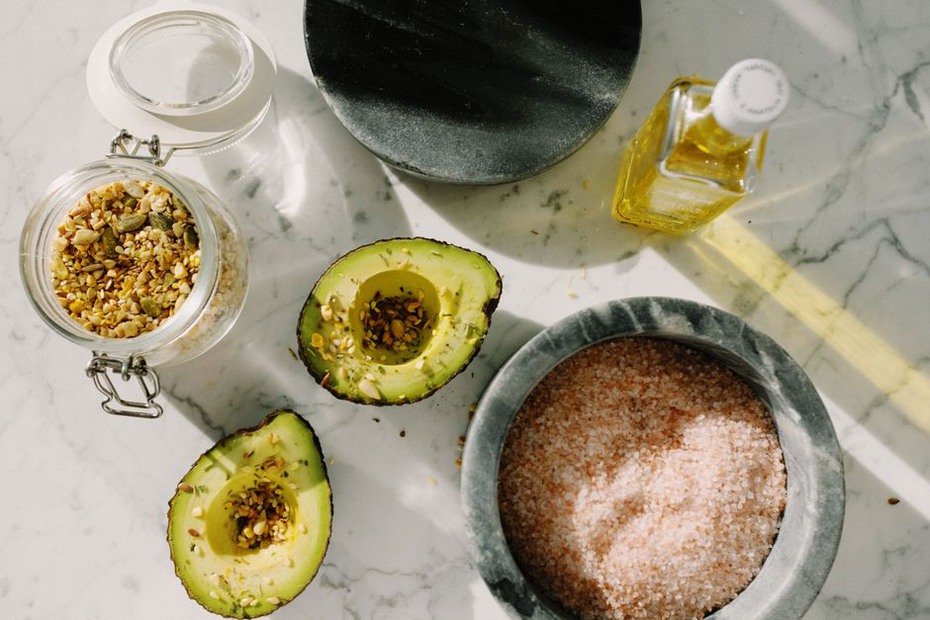
Avocado oil is also predominantly monounsaturated, with a milder taste than many extra-virgin olive oils. Refined avocado oil is often chosen for higher-heat cooking; unrefined versions may taste more like avocado and have different heat limits. Check the label rather than assuming every bottle behaves alike.
That neutral taste can be useful with roasted squash or pan-cooked fish, where a stronger oil might compete with the food. It is not automatically gentler on digestion than olive oil: both are concentrated fats. If a swap seems to help, compare similar meals and portions before giving the oil all the credit.
Coconut oil: useful, but not a default for every meal
Coconut oil works in baking and dishes that suit its flavor. Refined coconut oil is usually more neutral; virgin coconut oil tastes more noticeably of coconut. It is high in saturated fat, and its fatty-acid profile does not make it a general digestive aid. Claims that ordinary coconut oil works like purified medium-chain triglyceride oil blur the difference between the products.
A meal can feel particularly rich when coconut oil is combined with coconut milk or cream. It also makes sense for cardiovascular health not to rely on coconut oil as your only cooking fat. Olive oil can be the routine choice, with coconut oil kept for recipes where it adds something you want.
Rendered animal fats: occasional cooking options
Tallow, lard, and poultry fat fit some interpretations of paleo. They bring their own flavors to roasting and browning, but their fat composition varies by source. Traditional or minimally processed does not automatically mean easier to digest. Store rendered fat as directed and discard it if it develops an off odor. Bacon drippings add salt, smoke flavor, and any ingredients used in curing as well as fat.
How the common options compare
| Fat | Practical use | Digestive and shopping consideration |
|---|---|---|
| Extra-virgin olive oil | Dressings, sautéing, moderate oven cooking | Start with a modest pour; choose a fresh-tasting bottle |
| Refined avocado oil | Neutral-tasting cooking, including hotter pans | Check that the bottle contains the oil you intend to buy |
| Coconut oil | Baking or dishes that suit coconut flavor | Rich coconut meals may feel heavy; high in saturated fat |
| Tallow, lard, or poultry fat | Flavorful roasting and browning | Store carefully; tolerance depends on the meal and portion |
Smoke point is the point at which an oil begins to visibly smoke under test conditions. It does not tell you everything about nutritional value or digestive tolerance. Cooking time, pan temperature, and whether food is in the pan also matter. If oil smokes heavily or smells acrid, turn down the heat and start over rather than covering the taste with seasoning. Avoid repeatedly heating the same oil in everyday home cooking.
What about seed oils and other paleo gray areas?
Many paleo plans limit soybean, corn, sunflower, safflower, and canola oils, often because they are refined or common in highly processed foods. That rule may simplify shopping, but it does not mean a small amount of seed oil causes digestive disease. The evidence on dietary fats cannot be reduced to one oil being universally inflammatory and another universally protective. What the oil replaces, and the overall eating pattern, matter.
Sesame, walnut, and flaxseed oils are a different gray area. They can appear in otherwise whole-food cooking, yet strict paleo or AIP elimination plans may exclude them because they come from seeds or nuts. Many delicate specialty oils are better used unheated than in a hot skillet. If one falls outside your elimination rules, leave it out for that phase without assuming it caused your symptoms. Follow your agreed plan for reintroductions, not the claims on a bottle.
Ghee and butter come from dairy, so they do not fit a strict dairy-free paleo or AIP elimination phase. Some people following a more flexible paleo approach use ghee; whether it fits depends on their goals and tolerance. No cooking fat is a workaround for a known allergy or medically required avoidance.
When an oil seems to upset digestion
Nausea, fullness, loose stools, or reflux after a fatty meal do not point to one particular oil. Portion size, frying, spices, alcohol, meal timing, and other ingredients can all affect how you feel. A salad with olive-oil dressing, avocado, nuts, and fatty meat, for example, has several sources of fat even though the dressing is the only obvious oil.
To make a comparison useful, stick with a familiar meal and change one detail at a time:
- Notice the full meal. Record the cooking oil and approximate amount, other added fats, cooking method, and when discomfort began.
- Try a smaller amount first. Cook the same food with less oil, or brush the pan lightly instead of pouring freely.
- Compare like with like. If you try olive oil in place of avocado oil, keep the food and cooking method reasonably similar.
- Look for a pattern. One uncomfortable meal is weak evidence, especially during illness, stress, or an unusually large dinner.
This is a way to observe what happens, not to diagnose yourself. Discuss persistent digestive symptoms and significant changes to your diet with a doctor. Seek timely medical advice for severe or worsening abdominal pain, repeated vomiting, blood in stool, unexplained weight loss, or recurring symptoms after fatty foods. Cutting out more and more foods without an evaluation can make meals less nutritious while leaving the underlying problem unaddressed.
Keep cooking comfortable without making it dry
Using less oil does not mean giving up flavor. A nonstick or well-seasoned pan may need less added fat. Add a splash of water to help vegetables soften, then finish them with a little olive oil. When roasting, line the tray to help food release and spread a measured amount of oil across the batch instead of letting it pool in one corner.
Oil-free cooking is not automatically better. A little fat can improve texture and help the body absorb fat-soluble compounds from food. The useful adjustment is the amount that suits the dish and your comfort. You might lightly coat a tray of carrots with olive oil, roast them until tender, then add herbs and lemon at the table. If the meal feels comfortable, an oil advertised for digestion gives you no reason on its own to replace the olive oil.
For a simple kitchen check, pick one everyday oil and keep its bottle away from the stove. Notice how long it stays open, and measure your usual pour before it reaches the pan. You may find that the amount, rather than the oil itself, is the detail worth changing.