Pack the shoes first. A pair that works with only one outfit can take up a surprising amount of space for very little use. For most five-day trips, start with comfortable shoes worn in transit and, if you need them, one compact second pair. It is easier than choosing all your clothes and then trying to fit the shoes around them.
Packing light is less about special gear than giving each item a job. One carry-on-size bag plus a small personal item is a useful target, though the right size depends on transport rules, mobility needs, climate, and your plans. You should be able to manage a rainy day or a missed laundry opportunity without leaving essentials behind.
Build the packing list from your itinerary
Before opening your wardrobe, list the activities that call for different clothing: travel, walking, work or an event, exercise, swimming, and sleep. Check the forecast shortly before departure, but think about air-conditioned rooms, rain, or a cold evening too. A five-day city break with one dinner reservation needs a different bag from five days of hiking.
Count nights as well as days. Five travel days may mean four nights, and a late arrival changes what you need on day one. Note whether you can wash and dry a few small items. A sink and towel may be enough for socks or underwear; they are a less reliable plan for jeans or a heavy sweater in a humid room.
Write down the non-negotiables first: identification and travel documents, prescribed medication, glasses or contacts, necessary chargers, and equipment required for a booked activity. Keep them on the list even if they are bulky, and leave enough room to pack fragile or important items safely.
Choose a small clothing system
For a typical five-day trip, start with three or four tops, two bottoms, an extra layer, sleepwear, and enough underwear and socks for your laundry plan. Wear another outfit in transit. Heat, physical activity, formal occasions, and limited washing options may change the count. You do not need a separate complete outfit for every day.
Choose clothes that work together without much thought. Two bottoms that go with every top offer more options than five unrelated outfits. For one dressier occasion, a different top or accessory may be enough without packing a whole extra look. Think about comfort and climate as well as size: a thin shirt that needs ironing after every wear may be less useful than a slightly heavier one you can put on straight away.
Here is one way to draft the list:
- Wear in transit: comfortable walking shoes, one bottom, one top, and the bulkiest useful layer.
- Pack: two or three additional tops, one additional bottom, sleepwear, underwear and socks, and a light weather layer if conditions call for it.
- Add for actual plans: swimwear, exercise clothes, or one event-specific item—not all three by default.
Underwear is a reasonable place to keep a spare. Rewearing a clean outer layer is often easy; finding your only dry socks still hanging on a bathroom rail is less convenient. If you prefer a fresh shirt every day, pack for that preference and save space elsewhere. There is no point planning around laundry you know you will not do.
Keep shoes and outerwear proportional
Shoes are among the least flexible things in a bag. Wear the pair best suited to your longest walk or busiest travel day. Pack a second pair only if it solves a distinct problem, such as a dress code, wet conditions, or a planned activity. Tuck socks inside packed shoes, and bag dirty soles so they do not touch clean clothes.
Choose outerwear for likely conditions, not the worst weather you can imagine. On a mild-weather trip, a packable rain shell over an ordinary layer may be more useful than a bulky coat. For cold travel, wearing the coat in transit is usually simpler than fitting it into the bag. Do not give up appropriate weather protection to hit an arbitrary bag weight.
Set limits for toiletries and small extras
Toiletries can quickly fill the space left by an edited wardrobe. Start with what you use every day, then put suitable products into small, clearly labeled containers if needed. Check current liquid and container rules for every airport on your route; requirements can differ, and cabin and checked baggage have different restrictions. A leak-resistant pouch is useful even when a separate security bag is not required.
Decide what you can reliably buy at your destination. Common soap may be easy to replace; a product you use because ordinary versions irritate your skin may not be. Store medication according to its instructions and check travel rules before crossing borders. Do not move essential medication into an unmarked container just to save space.
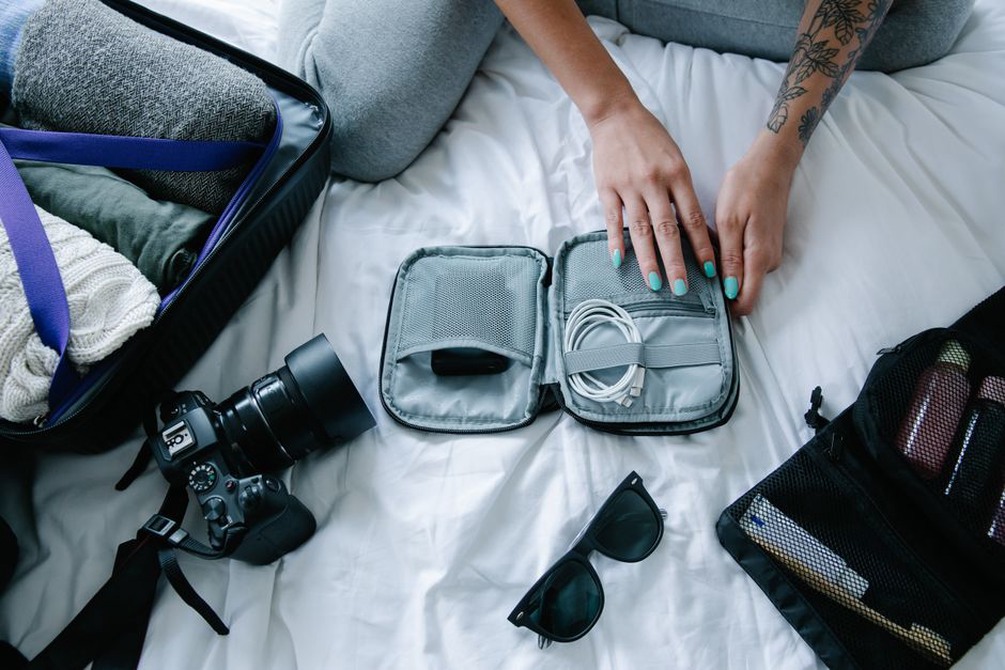
Take the same approach to electronics. Bring the charger and plug adapter you need, but check whether your devices can share a cable before packing duplicates. Download travel details and entertainment ahead of time if access may be unreliable. A small pouch keeps cables, earbuds, and an adapter from disappearing to the bottom of the bag.
Plan food around access, not a suitcase full of meals
If you eat paleo or follow an exclusion diet, start by identifying the stretches when food choices may be limited: a long travel day, a late arrival, a rural stop, or a catered event. Pack a modest amount of shelf-stable food you already tolerate for those gaps, rather than trying to carry five days of meals. What makes sense depends on your needs and the rules of your route and destination.
Check for a nearby grocery store and find out whether your lodging has a refrigerator or somewhere to prepare food. A plan to cook breakfast each morning is no help without the facilities to do it. If dining choices are limited, look at menus beforehand and ask about ingredients or cross-contact where it matters to you. A dietary label may not cover your particular restrictions.
Keep travel food simple. Individually packed items may be easier to portion, but they create waste and still take up space. A small reusable container is worth bringing if you know you will use it for leftovers; an empty one packed just in case may not be. Carry perishable food only when you can keep it at a safe temperature, and check restrictions before taking food across borders.
Travel is usually a poor time to test a new food if you are tracking digestive symptoms or following a structured elimination and reintroduction plan. Familiar meals make changes easier to interpret without turning every restaurant order into an experiment. If restrictions are becoming difficult to manage, or symptoms persist, discuss your symptoms and dietary changes with a doctor. An exclusion diet is not a substitute for medical care.
Pack the bag so things stay usable
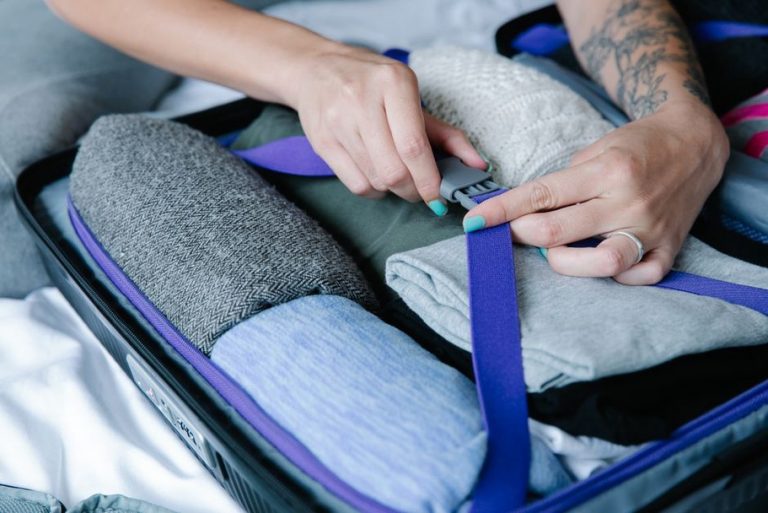
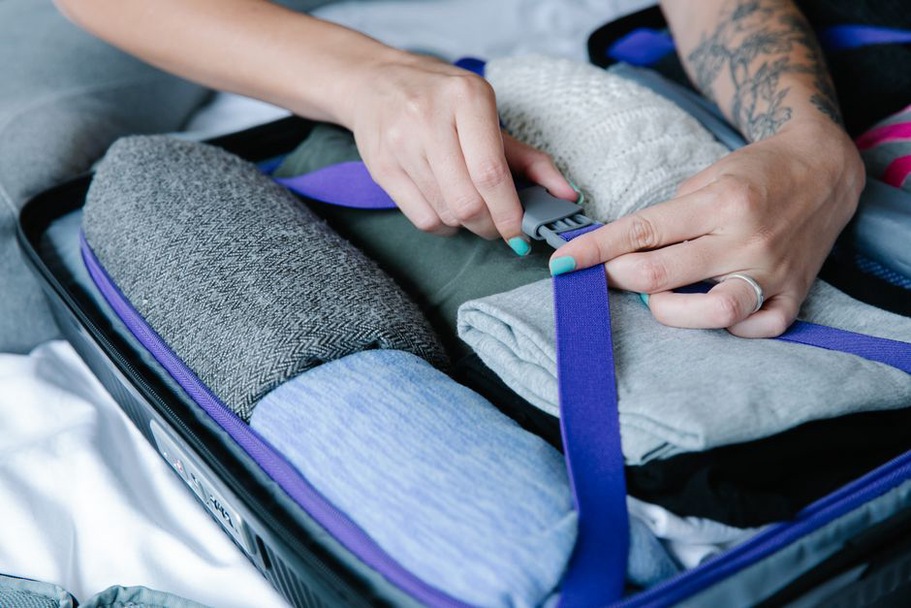
Place heavy items near the side of the bag closest to your back when you carry it. Keep documents, medication, a layer, and chargers within reach during transit. Packing cubes can help if each has a purpose, such as holding clothing or sleepwear, but they will not make an overloaded bag lighter.
Rolling soft clothing can help fill empty spaces; folding may suit structured garments better. Neither method makes too many items take up less room. Use a small laundry bag or a designated compartment for worn clothes, and leave a little space for a damp rain shell or food bought for the trip home.
Use a final edit, not a last-minute squeeze
Lay everything out before packing. For each optional item, name the day or situation when you expect to use it. Remove duplicates unless you have a clear reason to keep them. Two similar tops may both earn their place if you will wear them; two backup outfits for a single evening event probably will not. Check your carrier's size and weight limits now, including rules for a personal item.
Once packed, lift the bag and walk around with it for a few minutes. Try getting out your documents, medication, and a warm layer. If that means emptying the bag, rearrange it. If the weight feels uncomfortable, remove something genuinely optional rather than hoping it will feel easier after a day of travel.
A five-day example with room to adapt
For four nights in a mild-weather city, with walking and one casual dinner, you might wear walking shoes, trousers, a top, and a light jacket on departure day. In the bag: three tops, one additional bottom, sleepwear, five sets of underwear, several pairs of socks, a compact rain layer, and toiletries. If the walking shoes will not work for dinner, lightweight second shoes could replace another optional item rather than simply joining the bag.
The list changes for a hot climate, a formal event, or a trip without reliable laundry access. If you follow a restricted diet, you might use some of the space saved on clothing for familiar travel food and an empty container. What matters is that the bag works for the trip you have planned.
On departure morning, check the weather once more and put what you need during travel in an accessible pocket. Keep a separate short checklist for documents, medication, phone, and charger. Those are much easier to check at the door than to hunt for after the bag is zipped.