Found a damp patch beneath the kitchen sink? Check it, take a photo if it’s safe, and report it through your landlord’s or property manager’s usual maintenance channel. Seasonal upkeep follows the same principle: take care of small tasks that are yours to do, notice changes early, and leave repairs to the person responsible.
Lease terms, building rules, and local laws vary. Use this checklist alongside your rental agreement. You might be responsible for replacing an accessible light bulb or clearing loose leaves from a balcony drain, while the owner or building staff handles plumbing, heating equipment, and exterior work. If you’re unsure, ask before taking anything apart.
First, separate upkeep from repairs
You don’t need tools or a deep clean to do a seasonal check. Walk through the rooms with your phone or a short checklist and note anything that looks, smells, or sounds different. Sort what you find into three categories:
- Routine renter upkeep: cleaning accessible surfaces, keeping vents unobstructed, and using appliances according to their instructions.
- Problems to report: leaks, damaged seals, electrical faults, malfunctioning heating or cooling, and signs of pests or persistent dampness.
- Urgent hazards: a gas smell, active flooding, sparking wiring, a nonworking smoke alarm, or loss of essential heat in dangerous cold. Contact the appropriate emergency service or building emergency number; don’t wait for your seasonal check.
Photograph an issue before cleaning up visible water or debris, as long as it’s safe. A useful report says where the problem is, when you noticed it, what changed, and whether it’s getting worse. For example: “Water appears under the bathroom sink after the tap runs; the cabinet floor is damp, but I cannot see the source.” That’s more helpful than guessing which pipe failed.
Spring: Look for moisture and winter damage
Spring is a good time to look for traces of condensation or winter weather. Open the cabinets below sinks and check the cabinet base, pipe connections, and nearby wall. Look around the bathtub, shower, toilet, and windows for new stains, peeling paint, soft surfaces, or a musty smell that keeps coming back. Cleaning ordinary grime is one thing; painting over a stain or repeatedly wiping up water without reporting it is another.
- Test accessible windows and doors without forcing them. Note broken latches, torn screens, drafts, or frames that appear swollen or damaged.
- Check ceilings and walls, especially below a roof or beside an exterior wall, for new discoloration after heavy rain.
- Clean dirt from reachable window tracks if your lease permits it. Leave damaged frames and exterior seals to maintenance staff.
- If you have a balcony or patio, remove ordinary litter and clear loose leaves from accessible drainage openings. Don’t climb over rails or reach beyond the space to clear a blockage.
- Check smoke and carbon monoxide alarms according to their labels and your building’s instructions. Report a failed test or missing alarm promptly; don’t disable one that chirps or sounds repeatedly.
Spring rain may show you where water is entering around a window or exterior door. If you find a wet sill, move your belongings away, document the spot, and report it. Caulk, paint, or improvised waterproofing can hide the problem or make repairs harder. After a serious water event, follow building instructions about using the affected room or electrical outlets.
Summer: Keep cooling, airflow, and pests in view
Cooling systems need clear airflow. Move furniture, curtains, and stored items away from supply and return vents. If your rental has a user-accessible air filter and your agreement makes replacement your responsibility, follow the unit’s instructions for the correct type and timing. Otherwise, ask who services it. Don’t open electrical panels or dismantle an air-conditioning unit to investigate poor performance.
In hot weather, notice whether the system cools unevenly, leaks water, or makes a new sound. A small puddle beneath an indoor unit calls for a maintenance report, not an inspection inside the housing. Window air conditioners may have installation rules, too. Get approval before adding one, and never assume a screen or improvised support can hold its weight.
Watch for moisture even in dry-looking rooms
Warm weather can bring condensation to bathrooms, laundry areas, and poorly ventilated corners. Use existing exhaust fans as directed, wipe up splashes, and avoid pushing furniture against a wall that repeatedly feels damp. Report a fan that doesn’t run or moisture that persists despite ordinary ventilation. Recurring stains or extensive mold growth aren’t just cosmetic cleaning jobs.
Check screens, door sweeps, and pantry areas for signs of pest entry. Keep food in closed containers, remove rubbish regularly, and report droppings or repeated sightings, noting the location and date. Avoid plugging holes with materials that could interfere with repairs, and check your lease before using pesticides or setting traps.
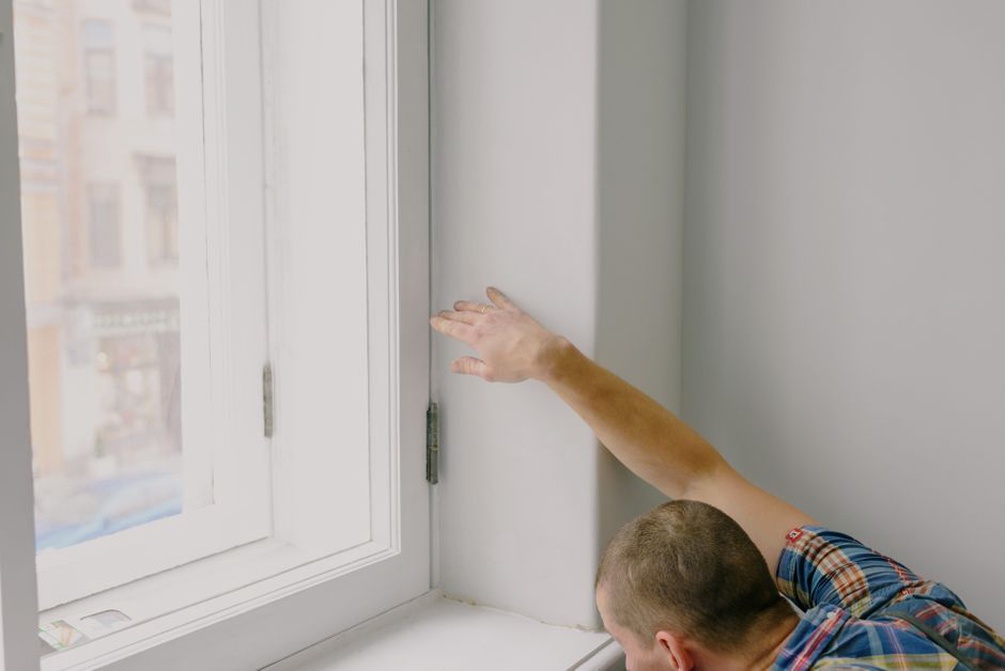
Autumn: Prepare for shorter days and colder weather
Before you need heat every day, find out how your unit’s thermostat or radiator controls are meant to work. If the system doesn’t respond, report it before the first very cold night. Keep radiators, baseboard heaters, and heating vents clear of furniture, laundry, and boxes. Leave servicing, bleeding, and repairs to authorized staff unless your rental instructions explicitly assign a simple procedure to you.
- Check that exterior doors close and lock properly. Report a loose strike plate, damaged weatherstripping, or a door that needs force to latch.
- Replace accessible light bulbs if that’s your responsibility, using the fixture’s specified type and rating. Report damaged fittings or flickering that continues with a working bulb.
- Review your building’s guidance for storm windows, shared walkways, and leaf removal. Don’t take on roof, gutter, or ladder work.
- Find out where to report an after-hours heating or water problem, and save the number somewhere you can access without internet service.
If autumn brings heavy rain, revisit any spots you noticed in spring. Does a stain appear after storms, after showering, or when a neighboring appliance runs? Those observations can help maintenance staff find the cause without asking you to diagnose it. Date your photos and, if possible, take one that shows where the affected area sits in the room.
Winter: Protect plumbing access and spot cold-weather problems
Start with the rules for your unit. In a cold climate, your lease or building may specify a minimum indoor temperature, instructions for time away, or steps for reporting a heating failure. Follow those directions instead of turning the heat fully off when you travel. Ask management about any unit-specific precautions for pipes near exterior walls.
Keep sink cabinets and access panels clear enough to spot a leak and give a repair worker access. If a tap slows unexpectedly, a pipe area becomes unusually cold, or you find water where it shouldn’t be, contact maintenance promptly. Don’t try to thaw a pipe with an open flame, boiling water, or an electrical appliance.
Check condensation and safe access
Cold windows can collect some condensation, especially when indoor humidity is high. Wipe water from accessible sills and note whether it returns, runs down the wall, or appears between panes. Report repeated wetness, damaged frames, and persistent damp smells. Keep ventilation openings clear, even in cold weather; blocking a vent to stop a draft can interfere with the building’s systems.
Follow your lease or building rules for snow and ice on steps, parking spaces, or balconies. If a shared entrance or exit is unsafe, notify the responsible party. Don’t climb to remove ice from a roofline or chip ice off building fixtures. Report a blocked exit or falling-ice hazard immediately rather than saving it for your next seasonal check.
Tasks worth checking every season
Some checks matter year-round. Add them to each seasonal walk-through so you don’t need a separate schedule:
- Water: look under sinks, beside toilets, and around washing machines or dishwashers you’re allowed to access. Check for fresh moisture, not just visible drips.
- Alarms: follow the manufacturer’s testing guidance and your building’s rules. Report an alarm that fails, is missing, or has reached its stated replacement date.
- Electrical fittings: watch for warm outlets, scorch marks, buzzing, or repeated breaker trips. Stop using an affected outlet or device and report it; don’t attempt electrical repairs.
- Appliance care: clean accessible lint filters and other user-serviceable parts as directed by the appliance manual. Report damaged cords, leaks, or unusual smells.
- Access and security: check that doors, windows, and locks work normally and that hallways and exits stay clear.
What you can handle also depends on the building. In a shared laundry room, report a leaking machine rather than trying to move or disconnect it. In a furnished rental, document damage to supplied appliances and fixtures as you would any other problem with the unit.
Make the checklist fit your lease
Set a reminder near the start of each season, then keep the check brief: walk the unit, record changes, and send any necessary reports. A log needs only the date, location, observation, photo, and report number. Save the landlord’s response with the entry, especially if the problem returns after a repair.
Before buying a filter, sealant, pest treatment, or replacement part, check whether the task is yours and whether the building specifies an approved product. Seasonal upkeep shouldn’t leave you paying for repairs you don’t owe or making changes that affect a warranty, deposit, or safety system.
If a packed cabinet makes inspection difficult, start there. Move enough items to see the floor and pipe connections, and leave room to check again. A photo of a dry cabinet in October gives you something to compare with a stain you notice in January.