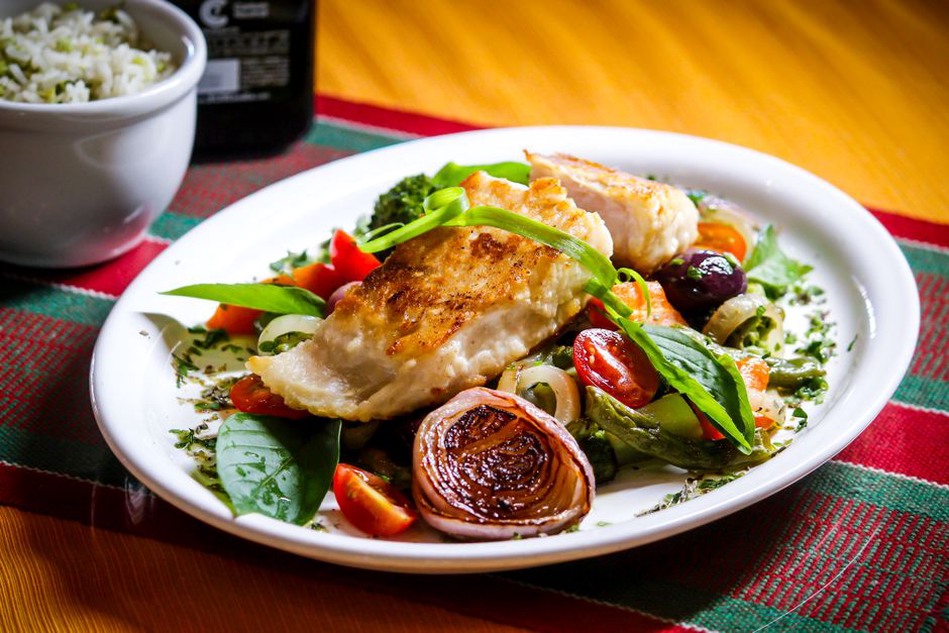
Raw or undercooked kidney beans can cause nausea, vomiting, and diarrhea soon after eating. They contain a lectin called phytohaemagglutinin, which proper cooking makes much less of a concern. That real food-safety risk sometimes gets stretched into a claim that every food containing lectins is harmful. The two are not the same.
Lectins are proteins that bind to particular carbohydrates. They occur in many plants, including foods commonly eaten on a paleo diet. What matters is the particular lectin, the food it comes in, how that food is prepared, and how much you eat. Those details help separate a known cooking hazard from uncertain claims about chronic symptoms—without cutting nutritious foods simply because they contain lectins.
What lectins are—and why the label alone tells you little
Plants make many kinds of lectins. In lab studies, some attach to cells or resist digestion; heat and processing substantially alter others. But applying an isolated protein directly to cells is not the same as eating a normal portion of cooked food. A meal also contains fiber, starch, and other compounds, and cooking changes what reaches the digestive tract.
That gap matters when claims turn to the gut lining, microbiome, or immune system. Studies of individual lectins can suggest possible mechanisms, but there is limited human evidence that ordinary portions of properly prepared lectin-containing foods cause intestinal permeability or autoimmune disease. That does not mean every lectin is harmless: inadequately cooked kidney beans are a clear exception, with immediate consequences.
Instead of asking whether a food contains any lectin, ask whether its preparation poses a known risk—or whether you have a consistent reason to look more closely at that particular food.
Where lectins fit in a paleo eating pattern
Most conventional paleo plans exclude beans, lentils, peanuts, and soy foods. That removes some familiar lectin sources, but it does not make the diet lectin-free. Tomatoes, peppers, eggplant, potatoes, some seeds, and other plants contain lectins too. Their types and levels differ, which is why a single “high-lectin foods” list can be misleading.
White potatoes show how easily diet rules and lectin claims get mixed up: some paleo plans allow them and others do not. A food's place in a paleo plan tells you nothing by itself about the amount or activity of its lectins. Avoiding tomatoes because they are nightshades is also a different decision from avoiding them because a lab test detected a lectin.
An autoimmune protocol, or AIP, usually starts with a more restrictive elimination phase. Legumes, nightshades, nuts, and seeds are among the foods excluded. Reintroduction is meant to help assess individual tolerance, not prove that lectins caused symptoms or that every excluded food must stay off the menu. If you are considering AIP, weigh the nutritional and day-to-day costs of a longer elimination alongside any benefit you notice.
Preparation matters more than a universal food blacklist
The clear safety issue: dried kidney beans
Dried kidney beans need adequate boiling before you eat them. A slow cooker may not reliably get an uncooked batch hot enough throughout; warming or gently simmering is no substitute for proper cooking. If you prepare dried beans despite otherwise eating paleo, follow established food-safety instructions for soaking and boiling them. Canned beans have already been heat-processed. And if someone else made the beans, don't assume a night in the slow cooker made raw kidney beans safe.
Other legumes are commonly soaked and cooked as well, but the kidney-bean hazard does not mean all cooked legumes are toxic. Boiling and pressure cooking can reduce the activity of many lectins. How much depends on the food and method; “sprouted” or “fermented” does not automatically mean lectin-free.
Paleo vegetables do not require elaborate lectin rituals
Cooking tomatoes or peppers changes several parts of the meal, but there is no good basis for telling everyone on a paleo diet to peel, deseed, and cook every nightshade to avoid lectins. If cooked vegetables sit better with you than raw ones, that is a useful meal preference. You do not need to pin the difference on a particular protein.
Cooking also changes texture and how much fiber you eat in one sitting. A large raw salad with spicy sauce and plenty of onion may feel very different from a modest serving of cooked tomato, even if the tomato gets the blame under a “lectins” label. Preparation is worth considering, but it cannot guarantee that a food will suit everyone.
Why a symptom after eating does not identify a lectin
Bloating, abdominal pain, changes in bowel habits, and reflux can have many contributors. Beans contain fermentable carbohydrates that gut microbes can use, so gas after beans is not evidence of lectin injury. A tomato-heavy meal might also include garlic, onion, chili, or a lot of fat—or simply be a large meal eaten late. Those details change how you interpret the symptoms that follow.
Timing is only a partial clue. Symptoms several hours after eating are not a reliable signature of lectins, and immediate symptoms may have another cause. Allergy is a separate concern: hives, swelling, wheezing, or breathing difficulty after food call for prompt medical assessment, not a lectin-elimination experiment. Seek medical advice for severe symptoms after improperly cooked beans, too.
If a food seems troublesome, note how it was prepared, roughly how much you ate, what else was in the meal, and when symptoms appeared. A repeated pattern tells you more than one uncomfortable dinner. Keep obvious variables, such as portion size and accompanying ingredients, as steady as practical before blaming one food. A symptom diary helps organize observations; it cannot diagnose a reaction to lectins.
Deciding whether to limit a paleo food
There is no established home test for “lectin sensitivity.” A broad lectin-free trial is also hard to interpret because it changes so many foods at once. If tomatoes repeatedly seem to cause trouble, comparing one form of tomato with familiar meals is more useful than removing tomatoes, peppers, nuts, seeds, and several vegetables together.
- Choose one food and preparation. Compare a typical serving of cooked tomato with otherwise familiar meals, rather than treating every nightshade as one category.
- Look at the rest of the meal. Note onion, garlic, spice, fat, portion size, and other possible contributors before attributing discomfort to the tomato.
- Discuss persistent symptoms or substantial diet changes with a doctor. A registered dietitian can help protect variety and nutrient intake, especially if you already avoid several foods.
- Keep any appropriate temporary exclusion focused. Set a point to review it instead of letting an open-ended list of forbidden foods grow.
- Reintroduce thoughtfully when appropriate. Try one food at a time in a manageable portion, record what happens, and don't treat one ambiguous day as a permanent verdict.
You may find that a smaller serving or a cooked version feels better. Or the pattern may remain unclear and call for another explanation. Either way, noticing what is comfortable for you does not establish that lectins are the cause.
Keeping plant variety while respecting your limits
Removing whole categories of plants can make an already restricted paleo diet unnecessarily narrow. Vegetables, fruit, nuts, and seeds provide different fibers and micronutrients. The available evidence does not support removing every plant with a detectable lectin to protect the microbiome; doing so may reduce the variety of plant fibers reaching gut microbes.
When a particular food does not work for you, replace what it contributes to the meal. If tomato sauce is uncomfortable, roasted carrots and herbs can provide moisture and flavor. If nuts are hard to tolerate, choose another satisfying component rather than settling for a smaller, less filling meal. For ideas on balancing meals without piling on exclusions, the guide to building nutrient-dense paleo meals focuses on food variety and meal structure.
If you have a diagnosed allergy, a condition that requires a prescribed diet, or ongoing digestive symptoms, you need advice specific to your situation. Paleo and AIP restrictions are not substitutes for medical care. Discuss persistent symptoms and planned diet changes with a doctor, especially if you would be removing regular sources of energy or nutrients.
Reading lectin claims without losing the practical point
“Contains lectins” describes a food; it does not tell you what eating it will do. Check whether a claim names the lectin, says whether the food was raw or cooked, and gives the amount involved. Evidence from raw beans should not be applied to roasted peppers. Results from isolated cells should not be presented as proven effects of an ordinary dinner.
Keep broad claims separate from personal observations, too. “Lectins are bad for everyone” would require strong human evidence across many foods and preparations. “I feel better with a smaller serving of cooked peppers” is a useful observation about one person's meals, but it does not identify the cause. Calling all nightshades “toxic” makes neither statement more accurate.
At your next uncertain meal, write down what you actually ate and how it was prepared instead of putting “lectins” in your symptom log. “Half a cup of cooked tomato sauce with garlic at dinner” gives you something concrete to compare with another meal—and to discuss with a doctor if symptoms persist.