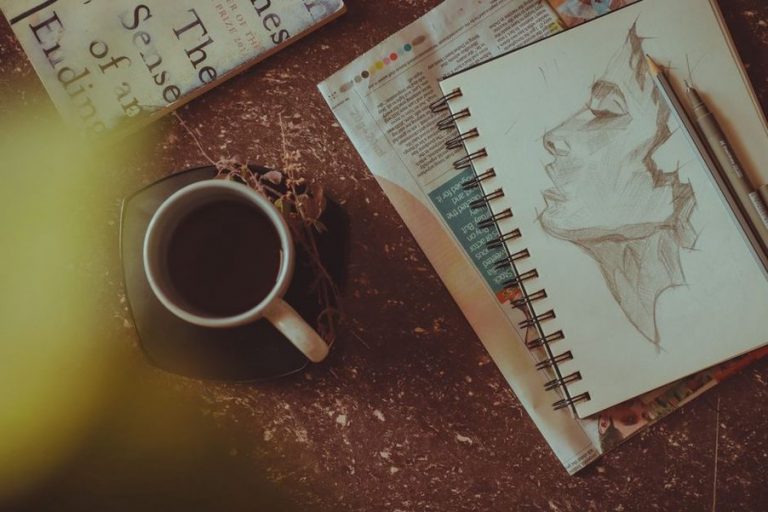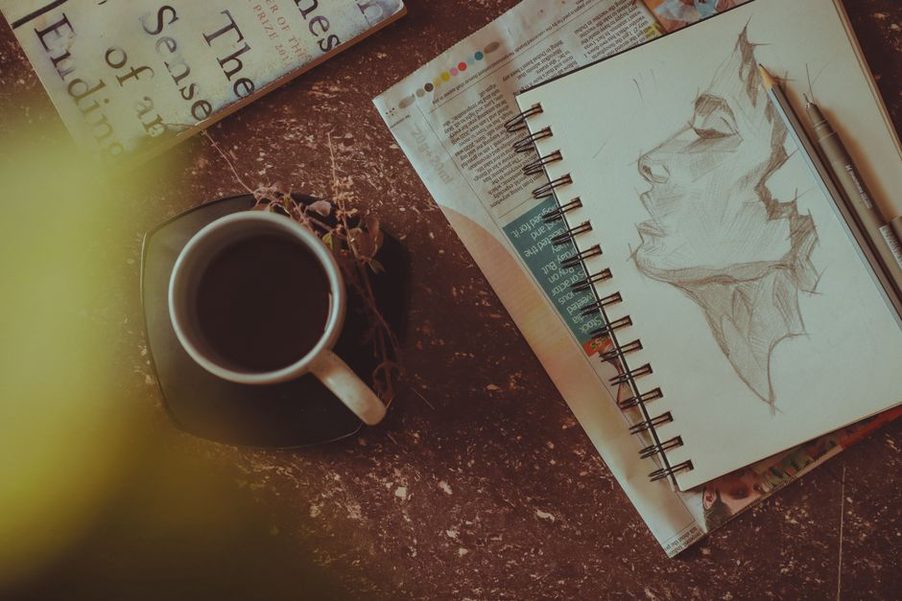
Put a pencil and a scrap of paper where you usually set your phone. Next time you want a ten-minute break, draw the nearest mug, leaf, or piece of fruit. It does not have to look good or even be finished. The idea is to give your hands something to do without opening an app.
A screen-break hobby works best when it is easy to start, cheap to repeat, and pleasant enough that it does not feel like another task. If you follow a paleo or elimination-style eating routine, a non-food activity can be a relief: not every quiet moment has to become meal planning, symptom research, or recipe browsing.
Start with the kind of break you need
Choose based on your energy, not on what sounds impressive. Tired eyes might welcome a short walk away from the desk. If you would rather stay seated, pick something hands-on that needs few supplies. Five minutes counts; a demanding daily target can make a break feel like a chore.
- For a short gap: sketch one object, fold paper, or spot three plants from a window.
- For restless energy: take a walk, stretch gently, or practice a few dance steps.
- For a longer quiet spell: mend clothing, borrow a book, or work on a puzzle.
Put your supplies out before the break. A notebook already on the table is easier to reach for than one tucked in a drawer. If you need a timer, use a clock or watch so you can leave your phone alone.
Low-cost hobbies that need little setup
Sketch what is already there
Any pencil and the back of an envelope will do. Try drawing just an object's outline, then add shadows if you have time. One leaf or spoon gives you a natural stopping point. For a change, look at the object more often than the paper and let the lines be uneven.
Walk with a small observation task
You do not need a destination. On a familiar, accessible route, notice what has changed: a tree at a different stage of growth, a new shop display, or the light on a building. That small task can hold your interest without tracking steps or checking a map. Choose a route that suits your mobility, the weather, and the daylight. If going out is impractical, look for changes from a window instead.
Mend one small thing
A loose button or opening seam is a good place to start. Many small repairs need only a needle, thread, and scissors, which you may already have at home. Work in good light, choose fabric you can handle comfortably, and start with something where an uneven stitch will not matter. One sock is a smaller job than an entire wardrobe.
Fold, cut, or build with paper
Turn unwanted mail, old wrapping paper, or printer-paper offcuts into a folded box, bookmark, or paper chain. Follow a pattern you already know, or experiment with the paper yourself. Cleanup is usually quick. If young children are nearby, keep sharp tools out of reach and use blunt scissors where appropriate.
Borrow a book or swap a puzzle
A library book gives you a screen-free option without a purchase. Short stories, poetry, or illustrated nonfiction may be easier to pick up for a brief break than a long novel. Before buying a puzzle, ask a friend or community group about swaps. If missing pieces would bother you, check a secondhand jigsaw first.
If reading tends to lead you back to health research, pick a subject unrelated to food or symptoms. Your break can just be enjoyable. For people who find an elimination phase mentally demanding, [staying motivated during the AIP elimination phase](/staying-motivated-aip-elimination-phase/) explores that specific challenge. A borrowed mystery novel does not have to serve the same purpose.
Make the break easy to repeat
Keep a small kit for an activity you actually like where you can see it: a pencil and paper in a cup, a book near your chair, or a needle and thread in a closed container. There is no need to buy a full set of equipment to try something. Borrow or reuse what you can, then spend money only if you keep coming back to it.
Match the activity to the time you have. A puzzle might be relaxing after work but frustrating in a five-minute gap. A midday walk may be appealing; the same walk after dark may not be. Having one seated option and one moving option means your break does not depend on ideal conditions.
It need not be productive, either. A sketch does not have to become wall art, and a walk does not have to count as exercise. If you keep a food and symptom diary, leave it as a separate tool rather than making every hobby another thing to record. Discuss persistent digestive symptoms and planned diet changes with a doctor; hobbies and dietary restrictions are not substitutes for medical care.
Try a small screen-break experiment
Give one activity three short tries before deciding whether it suits you. After the first, notice what got in the way: missing supplies, an awkward spot, or a task that was too ambitious. Change that one thing next time. If sketching feels intimidating, draw the same mug for two minutes. If a walk takes too much preparation, stand outside for a few minutes instead.
For tomorrow's break, put a sheet of scrap paper and a pencil where you normally set your phone. Draw the first object you notice. You can leave the paper there if you want to pick it up again another day.