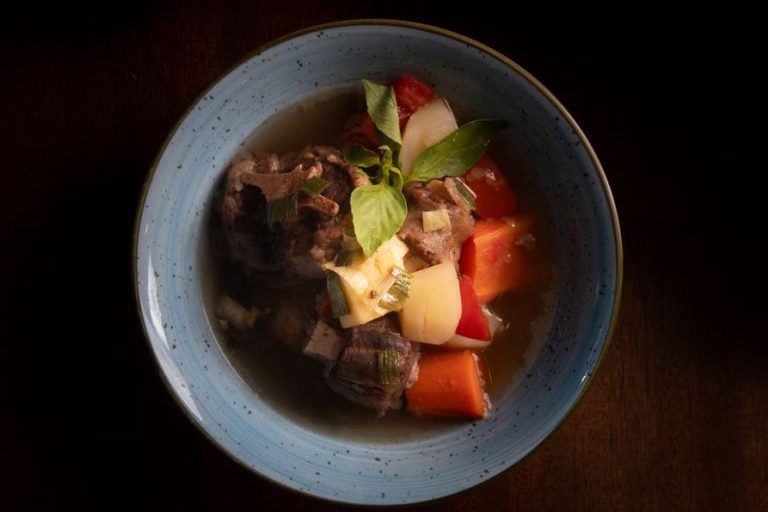
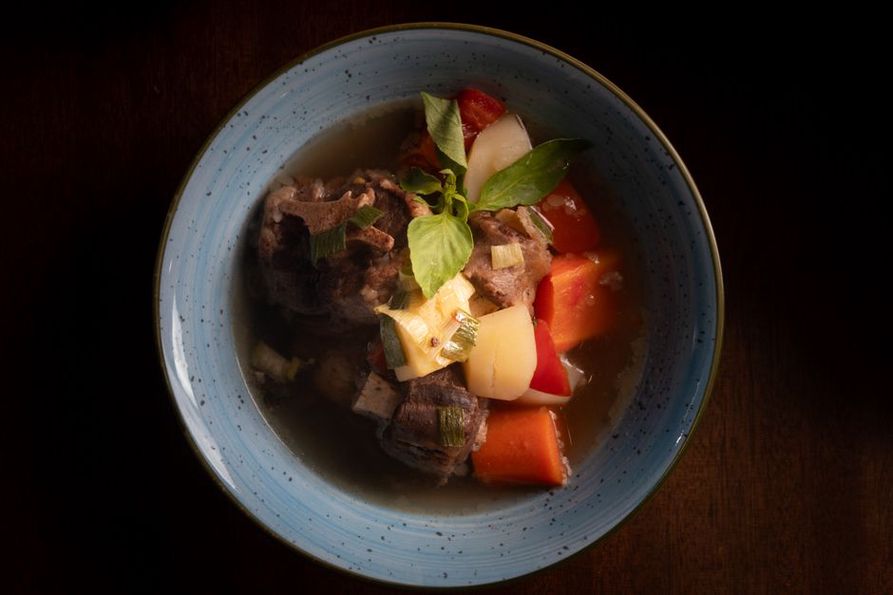
Stew made with a tough cut of meat changes as it cooks: connective tissue softens, and the liquid may set into a loose gel once chilled. That gel comes largely from gelatin formed as collagen breaks down with heat. Collagen is present in many animal foods that fit a paleo diet, but finding it in your stew does not mean the meal will repair a joint or heal the gut.
What these foods can do is add protein, make less-tender cuts enjoyable, and give soups body without dairy or grain-based thickeners. Claims about skin, joints, and digestion call for a closer look.
What collagen adds—and what it does not
Collagen is a structural protein in animal skin, tendons, cartilage, and other connective tissues. Digestion breaks it into amino acids and small peptides, which the body uses according to its needs. Collagen is especially rich in glycine, proline, and hydroxyproline. The body also makes its own collagen using nutrients from the broader diet.
But collagen is not a complete protein source for meal planning. It lacks tryptophan and has a different amino acid profile from eggs, fish, or muscle meat. Broth can be a welcome part of lunch; it should not automatically count as the main protein. A thin broth may contain only modest amounts of protein, and even a gelled one cannot tell you how many grams it provides. Ingredients, cooking time, and water volume all change the result.
For paleo eaters, the everyday appeal is variety. Braised shank, skin-on poultry, and slow-cooked shoulder bring different textures to a menu that might otherwise rely on boneless, skinless cuts. They can be economical ways to use more of an animal, too. Serve them with vegetables and other protein foods, rather than building the whole meal around collagen.
Where the potential benefits stand
Skin: promising research, limited certainty
Some clinical trials of collagen peptides have found modest improvements in skin hydration or elasticity. That is not the same as showing that a collagen-rich dinner prevents wrinkles. Many studies are small, use different products, or involve industry, making it hard to predict how large or lasting an effect might be for any one person. Results from concentrated peptides cannot be applied directly to homemade broth, which has no standard collagen content.
Skin health also depends on enough food and protein overall, vitamin C from fruit and vegetables, and protection from excessive sun exposure. Gelatin will not make up for a diet short on energy or plant variety.
Joints and connective tissue: no guaranteed relief
Some trials of collagen peptides report small improvements in joint discomfort. Participants and study designs differ, though, and the findings do not establish collagen as a treatment for arthritis, injury, or an autoimmune condition. Eating connective tissue supplies amino acids; it does not follow that the body will use them to rebuild cartilage in a particular joint.
If pain persists, worsens, or comes with swelling or loss of function, seek medical assessment instead of adding more food restrictions. Discuss persistent symptoms and significant diet changes with a clinician.
Digestion: texture is not proof of gut repair
Gelatin makes soup feel thicker, which may be appealing when your appetite is low or you want a simple meal. That is a culinary benefit, not evidence that broth seals the intestinal lining. Claims that collagen heals a “leaky gut,” fixes the microbiome, or removes food sensitivities go beyond the human evidence. Broth also lacks the fiber that many gut microbes use. Vegetables, fruit, and other tolerated plant foods still have a place alongside collagen-rich dishes in a paleo diet.
How broth feels to eat varies. A fatty batch may sit heavily with some people; someone who notices symptoms after certain stored or reheated foods may prefer not to have long-simmered broth. Neither response establishes a diagnosis. Consider the preparation, portion, and rest of the meal before ruling out whole food groups.
Food-first ways to include collagen
You do not need collagen powder to include collagen in a paleo diet. Cooking cuts with connective tissue gives you several options:
- Braise tougher cuts: shank, chuck, or shoulder become tender with slow, moist cooking. Serve the meat and its cooking liquid with vegetables.
- Use skin-on poultry: roast it or simmer it in soup. Keeping the skin is a preference, not a requirement; choose a portion that suits how rich you like the meal.
- Make broth from bones with connective tissue attached: joints, wings, or a cooked carcass often give broth more body than bare bones. A gelled broth has an appealing texture, but the gel does not reliably indicate its protein content.
- Use plain gelatin for texture: it can set a fruit-based dessert or thicken a cooled preparation without dairy. It is an addition to a meal, not a replacement for one.
Bone broth is not a dependable source of calcium or other minerals. Levels vary and are often lower than its reputation suggests. A longer simmer is not automatically better, either: flavor, texture, storage, and personal tolerance matter more than chasing a supposed medicinal strength. Cook meat to a safe temperature, refrigerate broth promptly in shallow containers, and follow ordinary food-storage guidance when reheating it.
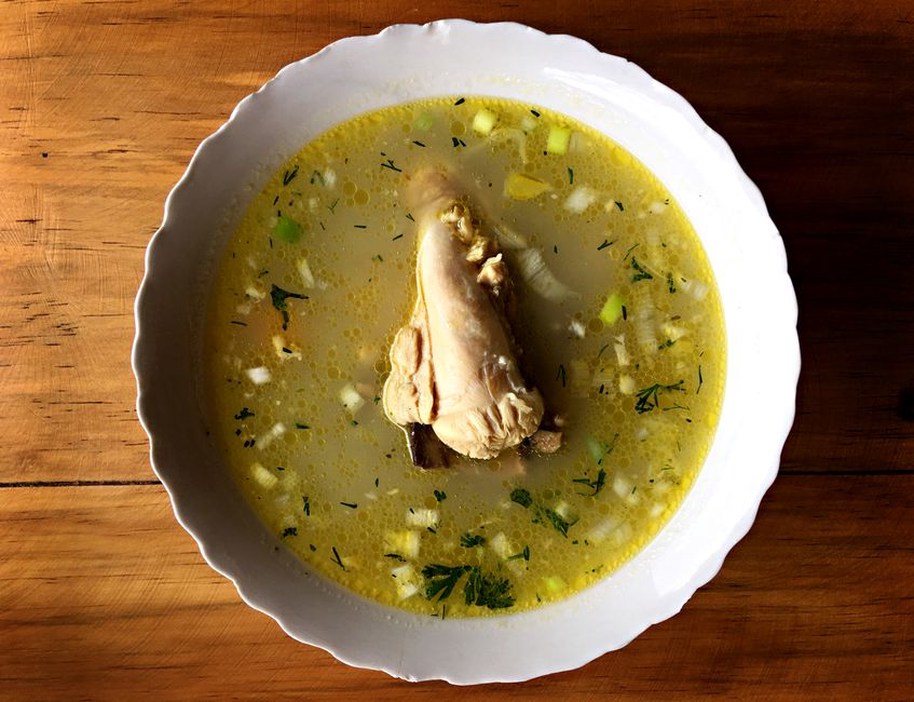
Keeping collagen in proportion on a paleo plate
Look at the whole meal, not just the cooking liquid. A serving of braised beef includes muscle meat as well as connective tissue; a mug of broth with a few vegetables may offer much less protein and energy. If soup is lunch, adding chicken, fish, or another substantial protein can make it more filling. Colorful produce brings nutrients these animal foods do not, including vitamin C, which the body needs to make collagen.
During an autoimmune protocol elimination phase, plain broth may appeal because its ingredients are easy to identify. That can simplify planning, but it does not make broth therapeutic. Check seasonings and prepared-broth labels against the foods you are currently including, and do not let one “safe” staple crowd out variety. If a tightly restricted diet is hard to sustain or symptoms persist, talk with a doctor and, where available, a qualified dietitian. An elimination diet is not a substitute for medical care.
Supplements are not necessary to get collagen from food. Collagen peptides are processed to dissolve more easily and differ from a pot of stock in concentration and use. Product claims may sound more certain than the research supports, and whether a product comes from fish, cattle, or another animal can matter if you have an allergy or dietary restriction. A scoop of powder is no insurance policy for an otherwise narrow diet.
A simple test for whether a dish works for you
When you try a collagen-rich food, change one practical thing at a time. You might make your usual vegetable soup with a familiar protein, replacing its usual liquid with a modest amount of plain homemade broth. Notice the flavor, how satisfying the meal is, and whether any discomfort differs from your usual experience. One uncomfortable meal cannot show that collagen was the cause; the fat content, serving size, or other ingredients may have changed too.
If you want broth ready for another soup, cool and portion a batch before freezing it. Label each container with the date and main ingredients. That makes the next meal easier to put together and gives you a record of what was in the broth if you are keeping track of symptoms. Discuss symptoms that persist, and any significant diet changes, with your doctor.