

A jar of tomato sauce can have a short ingredient list and still be off the menu during AIP elimination: tomatoes are nightshades. The same sauce might be fine for someone eating Paleo. Decide which set of rules you’re following before you check the ingredients. “Paleo-friendly” and “AIP-friendly” don’t mean the same thing.
Paleo generally excludes grains, legumes, and dairy, though individual approaches vary. The AIP elimination phase also excludes eggs, nuts, seeds, nightshades, and spices made from seeds or nightshades. Reintroduction is a separate, individualized stage: a food you’ve successfully brought back may fit your current plan even if it wouldn’t fit elimination. Discuss significant diet changes and persistent symptoms with a doctor, especially if you’re managing a health condition.
Start with the ingredient list, not the front of the package
“Natural,” “grain-free,” and “made with vegetables” tell you something about a product, but not whether it fits your whole plan. A grain-free cracker may contain chickpea flour; a dairy-free dip may contain sunflower oil or sesame tahini. Read the full ingredient list for the flavor you’re buying. Ingredients are usually listed in descending order by weight, but even a small amount of an excluded ingredient matters during a defined elimination phase.
Allergen statements can offer clues, but they aren’t a substitute for the ingredient list. Depending on local rules, they may flag milk, eggs, peanuts, or tree nuts; they won’t reliably flag every AIP concern. Nightshade spices, for example, may not appear in an allergen statement. Labeling rules also differ by country.
Names that change what a product contains
Grains and legumes beyond the familiar names
For Paleo shopping, look beyond “wheat” and “beans.” Rice flour, oat fiber, cornmeal, barley malt, and wheat-based soy sauce contain grain-derived ingredients. Pea protein, chickpea flour, lentil flour, soybean oil, and soy lecithin come from legumes. People differ on whether highly refined oils or lecithin fit their version of Paleo. If you’re following a defined elimination plan, check its rules rather than assuming a small amount doesn’t count.
“Gluten-free” doesn’t mean grain-free: gluten-free bread may be made mainly from rice or corn. And “plant-based” won’t tell you whether pea protein or soy is in the mix.
Dairy and eggs in unexpected places
Milk-derived ingredients include whey, casein, milk powder, butter, cream, and ghee. Some Paleo eaters use ghee; others avoid all dairy-derived foods. Eggs may be listed as albumen, egg whites, dried egg, or yolk. They’re excluded during AIP elimination even if the rest of the product looks Paleo-compatible.
Seeds, nuts, and nightshades for AIP
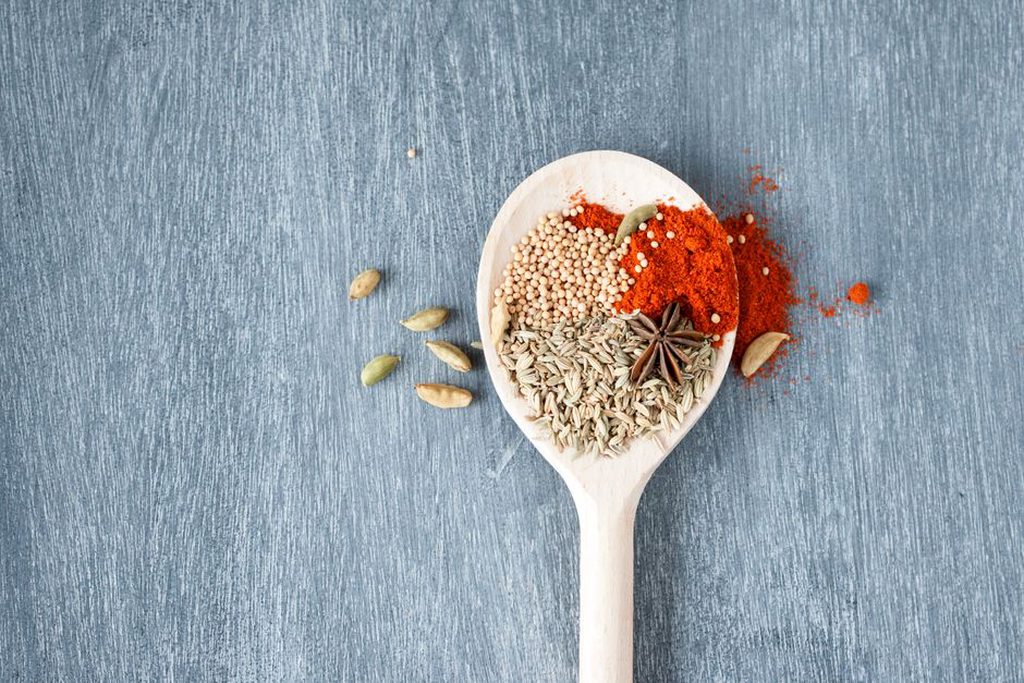
AIP elimination typically excludes nuts and seeds, including their flours, butters, and oils. That puts almond flour, cashew cream, tahini, sesame oil, and sunflower seed butter—common ingredients in Paleo-marketed foods—on the check list. Look closely at spice blends, too. Mustard, cumin, coriander seed, fennel seed, and black pepper are seed-derived. A label that says only “spices” may not give you enough information for a strict elimination plan.
Nightshades include tomatoes, white potatoes, eggplants, and peppers. On labels, that can mean tomato paste, potato starch, paprika, cayenne, chili powder, or red pepper flakes. Sweet potatoes aren’t nightshades, and black pepper is a seed spice rather than a nightshade. Knowing the difference helps you avoid cutting foods out unnecessarily—or overlooking one you meant to exclude.
Compare products by the role an ingredient plays
One excluded food can appear under several names, while similar-sounding ingredients can come from different plants. When the source matters, check the package:
- Flour and starch: Almond flour often fits Paleo but not AIP elimination. Cassava and tapioca come from cassava root and are commonly used in both approaches. Potato starch comes from a nightshade; sweet potato flour does not.
- Oil: Olive and avocado oils may fit both approaches. Soybean and peanut oils come from legumes; sesame and sunflower oils come from seeds. “Vegetable oil” may be too vague for a strict plan.
- Sauce and seasoning: Coconut aminos can stand in for conventional soy sauce in some meals, but check the other ingredients. Even a tomato-free sauce might contain paprika, mustard, or another excluded spice.
Processing terms don’t settle the question. “Modified food starch,” “natural flavors,” and “spices” may be too broad to confirm the source from the label alone. If strict avoidance matters and the manufacturer can’t clarify an ingredient, it may be easier to choose a product with a more specific list than to guess.
A practical way to assess one packaged food
- Name the standard: Are you checking for Paleo, AIP elimination, or a reintroduction stage with specific foods you’ve already tested?
- Scan for clear exclusions: Check grains, legumes, and dairy first. For AIP elimination, also check eggs, nuts, seeds, nightshades, and relevant spices.
- Resolve vague terms: See whether the source is named elsewhere on the package. If it’s still unclear and matters to your plan, ask the manufacturer or pick another product.
- Check the package in your hand: Ingredients can vary by flavor, size, country, or reformulation. A brand that worked before isn’t a permanent guarantee.
A label can help you follow a food plan; it can’t tell you whether a food causes your symptoms or whether a restrictive diet is appropriate for you. Digestive discomfort has many possible causes, and cutting out more foods can make it harder to eat enough and keep variety in your diet. Discuss persistent symptoms and diet changes with a doctor. A registered dietitian can help you assess whether you’re getting enough nutrients.
At the shelf, imagine two plain-looking crackers. One lists cassava flour, olive oil, and salt; the other lists almond flour, sunflower oil, and paprika. Both may suit some Paleo eaters, but only the first lists ingredients commonly compatible with AIP elimination. Check the full list on the packet you’re buying before it goes in your basket.