
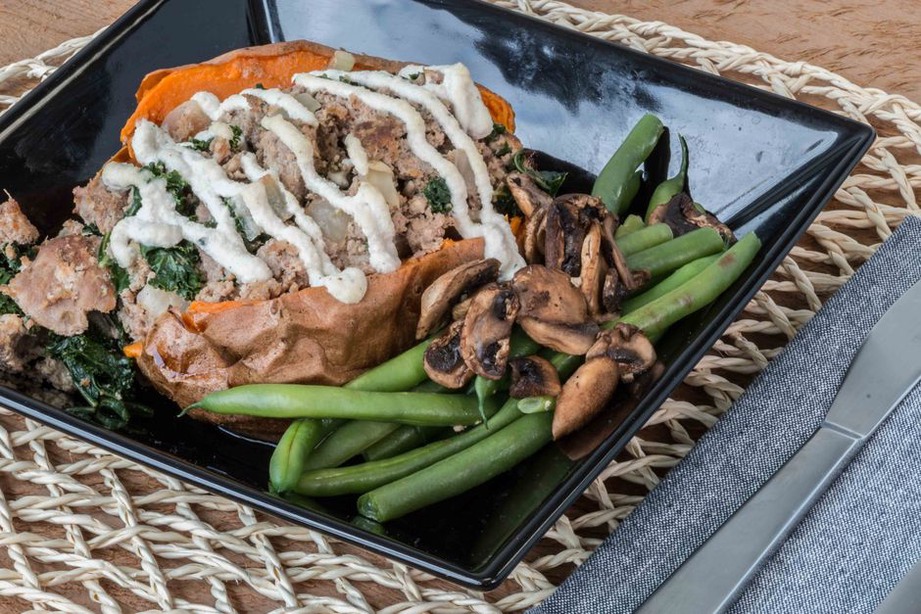
Eggs and bacon make a protein-rich paleo breakfast, but they offer little fiber, calcium, or vitamin C. Add sautéed greens, berries, and a baked sweet potato, and the meal changes more than it would if you swapped one brand of bacon for another. Nutrient density is about what a plate provides, not just whether its ingredients pass a paleo checklist.
A typical paleo diet includes vegetables, fruit, meat, fish, eggs, nuts, seeds, and minimally processed fats, while leaving out grains, legumes, and dairy. Those boundaries may encourage home cooking, but they also remove familiar sources of calcium and fiber. Planning means making room for those nutrients—and for enough food overall.
Start with the nutrients a paleo menu might miss
Look at what you eat across a week rather than trying to make every meal complete. A routine of chicken, salad greens, and olive oil offers less variety than one that also includes seafood, cooked vegetables, fruit, and filling starches. The exclusions become a concern when nothing takes the place of the foods left out.
- Calcium: Without dairy, consider canned salmon or sardines with edible bones, greens such as kale or bok choy, and other sources you tolerate. Spinach contains calcium, but its oxalates make much of it difficult to absorb. If you avoid both dairy and bone-in fish, ask for individualized advice.
- Fiber: Whole grains and legumes normally contribute fiber. On a paleo diet, draw on a variety of vegetables, fruit, nuts, seeds, and tolerated starchy plants. Different plants provide different types of fiber; lettuce alone is unlikely to cover the gap.
- Vitamin D and omega-3 fats: Fatty fish provides both, though food alone may not meet everyone’s vitamin D needs. The NIH Office of Dietary Supplements’ vitamin D fact sheet explains why needs and sources vary.
- Iodine: Fish and other seafood can help when iodized salt and dairy are absent. Seaweed’s iodine content varies greatly, so eating large amounts is not a dependable shortcut.
- Energy and carbohydrates: Sweet potatoes, winter squash, plantains, fruit, and other tolerated roots can make meals more substantial. If a menu leaves you hungry, adding more vegetables alone may not solve the problem.
These are prompts for planning, not a claim that everyone eating paleo lacks the same nutrients. Age, health conditions, access to food, and the foods you choose all matter.
Give each main meal a job
For a quick meal check, think of a substantial protein food, one or two kinds of produce, a carbohydrate if you need one, and enough fat to make the meal satisfying. There is no universal portion formula. Appetite, activity, body size, and medical circumstances affect how much food is appropriate; the point is to spot repetitive or skimpy meals, not create another set of rules.
That might mean eggs at breakfast, leftover roast chicken at lunch, and fish at dinner. Across the week, rotate among poultry, meat, seafood, and eggs instead of defaulting to one convenient protein. Give plants similar attention: deep-green vegetables, orange roots, berries, mushrooms, and herbs bring different nutrients and flavors. Color is a useful shopping reminder, not a scorecard.
Salmon, sardines, and trout provide omega-3 fats that a menu centered on poultry and red meat may supply in smaller amounts. Nuts, seeds, avocado, and olive oil add variety, but they do not make other proteins nutritionally interchangeable with fish. For a closer look, how omega-3s show up in paleo meals focuses on what the foods provide.
Use variety without chasing a perfect food
Organ meats are often called nutrient-dense. A small serving of liver can provide substantial vitamin A and iron, but larger or more frequent servings are not necessarily better: too much preformed vitamin A can be harmful, particularly during pregnancy. Seafood has a different consideration, since mercury levels vary by species. Rotate your choices and seek pregnancy-specific guidance when relevant rather than relying heavily on one food.
A cookie made with almond flour and coconut sugar can be enjoyable, too. Its paleo-friendly ingredients do not make it a stand-in for a meal. Eat it because you like it, not because you expect it to fill a gap in vegetables, protein, or total food.
Build a week that does not depend on elaborate recipes
Batch-cooking a few flexible components can be easier than making seven different dinners. Roast carrots and squash, prepare some greens and a protein, and keep fruit on hand. A second protein or a tin of fish gives you another meal later in the week. Frozen vegetables and canned fish count; nutrient density does not require everything to be fresh.
Here is one way to put those ingredients to use. It is an example, not a prescribed menu, and the portions will differ from person to person.
| Meal | Simple combination | What it adds |
|---|---|---|
| Breakfast | Eggs, cooked greens, berries, and leftover sweet potato | Protein, produce variety, and filling carbohydrate |
| Lunch | Chicken, roasted squash, cucumber, and olive oil | A substantial meal using prepared components |
| Dinner | Bone-in canned salmon, sautéed kale, potatoes, and fruit | Seafood fats and a potential calcium source |
Before you shop again, notice what ran out first. If the protein is gone by Wednesday while vegetables spoil, buying more kinds of produce will not help much. Try smaller produce purchases and a dependable freezer option. If meals regularly leave you hungry, add a substantial side or increase the main portion; hunger is not a requirement of paleo eating.
Make digestive comfort part of the plan
More fiber may not feel comfortable overnight. Going straight from few vegetables to large raw salads, handfuls of nuts, and generous servings of cauliflower can bring bloating or changes in bowel habits. Add fiber-rich foods gradually, drink fluids regularly, and try cooked vegetables or smaller portions if raw produce is difficult to tolerate. Cooking changes texture; it does not make vegetables nutritionally worthless.
When a food seems troublesome, pause before ruling out its entire food group. Portion size, timing, preparation, and the rest of the meal may all affect symptoms. A short meal-and-symptom record can help you look for a repeatable pattern, but it cannot diagnose a sensitivity or digestive condition. Discuss persistent symptoms with a doctor rather than steadily shrinking the list of foods you eat.
Some people also consider the autoimmune protocol, or AIP. Its elimination phase removes additional foods, commonly eggs, nuts, seeds, and nightshades, before gradually bringing foods back. That can make it harder to eat enough and meet nutrient needs; it is not automatically healthier or a treatment for autoimmune disease. Discuss the change with a doctor and, when possible, a registered dietitian. Reintroduction matters: staying in the elimination phase indefinitely gives you little chance to learn which restrictions, if any, are useful.
Check the plan against real life
Nutrient density depends on a pattern you can afford and repeat. Canned fish, frozen greens, seasonal produce, eggs, and less expensive cuts of meat can add variety without a specialty-food budget. Steamed frozen broccoli with dinner does more for you than fresh broccoli left to spoil.
It helps to separate dietary preference from medical need. Paleo excludes legumes and whole grains by design, not because they are inherently harmful to everyone. The Mayo Clinic’s overview of the paleo diet describes its typical food choices and the nutritional questions those exclusions raise. If restrictions make social meals difficult, leave you with too few satisfying options, or cause anxiety around food, include those costs in your assessment.
If you have persistent digestive symptoms or unexplained weight changes, speak with your doctor. Discuss major diet changes with them, too. To make that conversation more concrete, write down three ordinary days of meals and note whether each has protein, produce, and enough food to carry you comfortably to the next meal.