Episode 14 of our podcast, recorded on October 22, 2017, tackled a question that keeps coming up in the AIP community: what do you do when a strict elimination diet still leaves you bloated, gassy, or with irregular bowel movements? The standard advice—remove all potential triggers for 30–60 days—works for many. But a subset of people find that even after cutting grains, dairy, legumes, nightshades, eggs, nuts, seeds, and spices, their digestive symptoms hang on. This episode focused on one possible explanation: the overlap between the AIP elimination phase and the low-FODMAP diet, and how understanding that overlap can help you spot hidden fermentable carbohydrates that might be driving symptoms.
Why FODMAPs Matter on a Strict Elimination Diet
FODMAPs (fermentable oligosaccharides, disaccharides, monosaccharides, and polyols) are short-chain carbohydrates that the small intestine absorbs poorly. Instead, they travel to the large intestine where gut bacteria ferment them rapidly, producing gas and pulling water into the bowel. For people with sensitive guts—common in autoimmune conditions—this fermentation can cause bloating, pain, and altered motility even when the foods themselves aren't immunogenic. Many paleo-approved foods are naturally high in FODMAPs: garlic, onion, cauliflower, mushrooms, apples, pears, honey, and cashews, to name a few. A strict AIP elimination diet typically allows all of these, because they aren't considered common food allergens or autoimmune triggers. Yet for someone with underlying small intestinal bacterial overgrowth (SIBO) or a general sensitivity to fermentable carbohydrates, these nutrient-dense foods can become a daily source of discomfort.
The Episode’s Core Takeaway
During the episode, we discussed a “modified AIP elimination” that temporarily restricts high-FODMAP foods for two to four weeks while keeping the core autoimmune protocol intact. This isn't a replacement for the standard AIP elimination—it's a targeted troubleshooting step for those who've completed a full elimination and still experience bloating or gas. The key is to remove only the highest-FODMAP paleo foods while continuing to avoid all standard AIP triggers. A sample list of foods to consider trialing includes:
- Vegetables: cauliflower, broccoli, cabbage, asparagus, garlic, onion, leek, snow peas
- Fruits: apple, pear, mango, watermelon, dried fruits, blackberries
- Sweeteners: honey, agave, high-fructose fruit syrups
- Nuts and seeds: cashews, pistachios, almonds (in moderate amounts)
- Legume-like foods: carob, tamarind (though these are rarely used on AIP)
We emphasized that this is a short-term experiment, not a long-term dietary pattern. The goal is to see whether symptoms improve when these specific carbohydrates are reduced, and then to systematically reintroduce them one at a time to identify personal tolerance thresholds.
Practical Steps from the Episode
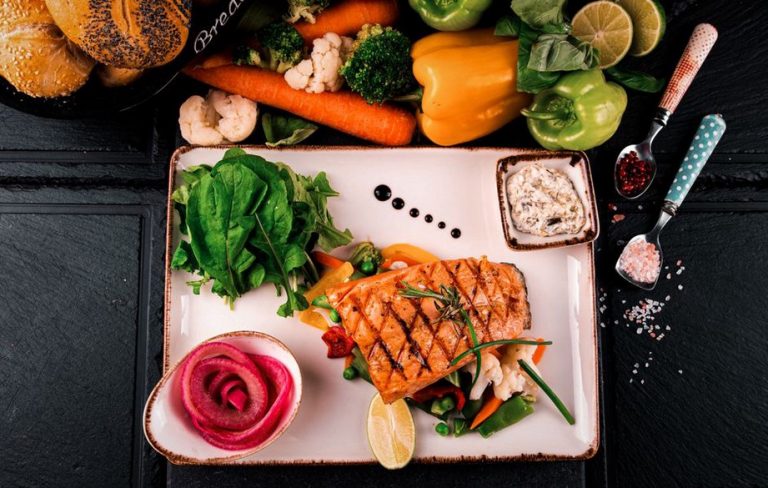
The episode laid out a clear protocol for listeners who wanted to try this approach. First, keep your existing AIP elimination in place—do not add back any foods you've already removed. Second, for one week, log your meals and symptoms using a simple scale (0–10 for bloating, gas, and stool consistency). Third, for the next two weeks, replace high-FODMAP paleo foods with low-FODMAP alternatives: choose carrots, zucchini, spinach, bell peppers, cucumbers, strawberries, oranges, bananas, and olive oil instead of garlic and onion. Use garlic-infused oil (which is low-FODMAP because the FODMAPs aren't fat-soluble) to retain flavor. Fourth, after two weeks, assess whether symptoms have improved. If they have, begin reintroducing one high-FODMAP food every three days, starting with the smallest typical serving size. If symptoms return, that food is likely a personal trigger.
One important nuance we covered: FODMAP tolerance is dose-dependent. Many people can handle a small amount of garlic or half an apple without issues, but a full clove or a whole apple triggers bloating. The episode encouraged listeners to find their individual threshold rather than permanently avoiding all high-FODMAP foods. For example, a quarter of an onion sautéed in a meal may be fine, while a whole onion in a soup may cause discomfort.
Where Sulfur Sensitivity Fits In
Another layer we discussed was the distinction between FODMAPs and sulfur-containing compounds. Some foods that are low in FODMAPs—such as eggs, meat, and cruciferous vegetables—can still cause gas because of their sulfur content. If you notice that your bloating is accompanied by strong-smelling gas, sulfur sensitivity may be at play. For a detailed guide on identifying and managing this separate issue, listeners can refer to our detailed guide on identifying and managing sulfur sensitivity on a Paleo diet. The episode stressed that troubleshooting digestion often requires looking at multiple variables: FODMAPs, sulfur, histamine, and even meal timing. We touched on how spacing meals and reducing eating window length can help some people, a topic we explored further in a previous episode on meal timing and digestion.
Evidence and Practical Limits
The episode also reviewed the scientific basis for the low-FODMAP approach. While most low-FODMAP research has been done in people with irritable bowel syndrome (IBS), the mechanisms—osmotic water attraction and fermentation—apply to anyone with a sensitive gut. A 2016 study found that a low-FODMAP diet reduced bloating and abdominal pain in 68% of IBS patients, and similar results have been reported in small trials with inflammatory bowel disease. However, we cautioned that no large-scale studies have tested a combined AIP + low-FODMAP protocol for autoimmune conditions. The approach is based on clinical experience and mechanistic reasoning, not high-level evidence. Listeners were advised to work with a dietitian familiar with both protocols, especially if they have a history of disordered eating or nutrient deficiencies.
We also addressed a common concern: will restricting high-FODMAP vegetables reduce prebiotic fiber and harm the microbiome? The answer is nuanced. Short-term restriction (two to four weeks) is unlikely to cause lasting harm, especially if you continue to eat a variety of low-FODMAP prebiotic foods such as green bananas, cooked carrots, and oats (if tolerated on AIP reintroduction). Longer restriction may reduce beneficial bacteria that feed on fermentable fibers, so the goal is always to reintroduce as many high-FODMAP foods as tolerated. The episode encouraged listeners to think of this as a diagnostic tool, not a permanent diet.
Reintroduction: The Missing Piece
The final segment of the episode focused on the reintroduction phase, which mirrors the standard AIP reintroduction process but with smaller serving sizes and longer observation periods. For each high-FODMAP food, the recommendation was to start with one-eighth of a typical serving (e.g., one tablespoon of cooked onion) and wait 48 hours before trying a larger amount. This slow ramp-up helps distinguish between a true intolerance and a dose-related effect. Listeners were reminded to keep a detailed symptom log during this phase, noting not only digestive symptoms but also changes in energy, mood, and skin.
One concrete example from the episode: a listener who had been on strict AIP for eight weeks still experienced daily bloating. She removed high-FODMAP vegetables (cauliflower, garlic, onion) and within four days her bloating resolved. Over the next month, she successfully reintroduced garlic-infused oil, small amounts of cooked onions, and eventually half an apple. She now enjoys a varied AIP diet with only occasional bloating when she overeats high-FODMAP foods in a single meal. This outcome isn't guaranteed for everyone, but it illustrates the value of targeted troubleshooting.
For those interested in a deeper dive, the episode transcript includes a full list of high-FODMAP paleo foods and their AIP compatibility, along with sample meal plans for the two-week modified elimination. We also provided references to the key studies discussed, all of which are available through public databases.