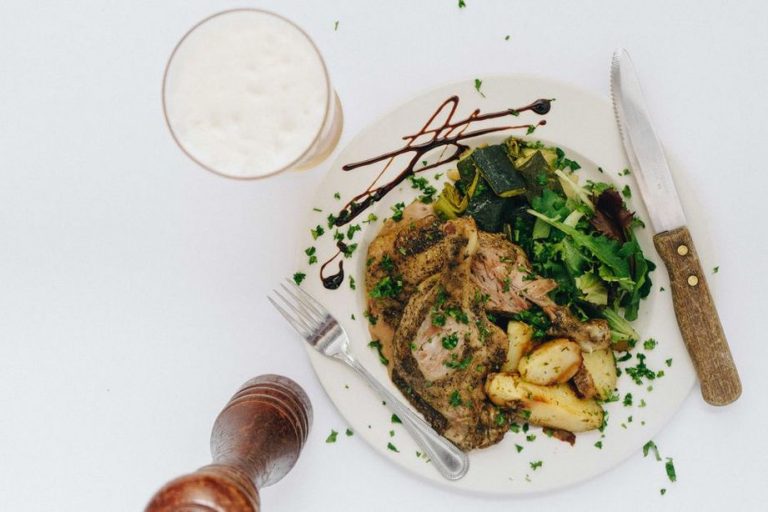
You diligently follow a paleo template, yet after a dinner rich in broccoli and eggs, you feel uncomfortably bloated and mentally foggy. This is a common experience for many, and it may point to sulfur sensitivity—a reaction to foods that contain high levels of sulfur-containing compounds. While not a formal diagnosis, sulfur sensitivity can disrupt digestive comfort and overall well-being. Understanding its mechanisms and learning how to navigate your diet can help you find relief without abandoning the nutrient-dense foods you value.
What Is Sulfur Sensitivity?
Sulfur is an essential mineral involved in detoxification, joint health, and protein synthesis. However, some individuals experience adverse reactions when they consume large amounts of sulfur-rich foods. The underlying reasons vary: altered gut bacteria that produce excess hydrogen sulfide gas, impaired sulfation pathways in the liver, or genetic variants affecting enzymes like sulfite oxidase. The result can be a range of symptoms that mimic other food sensitivities, making it important to distinguish sulfur sensitivity from, say, histamine intolerance or FODMAP issues.
Common High-Sulfur Foods
Many nutrient-dense paleo staples are naturally high in sulfur. Recognizing them is the first step:
- Cruciferous vegetables: broccoli, cauliflower, cabbage, kale, Brussels sprouts, bok choy
- Alliums: onion, garlic, leeks, shallots, chives
- Eggs (especially the yolks)
- Red meat and organ meats (high in methionine and cysteine)
- Certain nuts and seeds: almonds, Brazil nuts, sesame seeds
- Fermented foods: sauerkraut, kimchi (also histamine-rich)
- Dried fruit treated with sulfites (though sulfites are additives, not natural)
- Some beverages: wine, beer, coffee (sulfites or sulfur compounds)
Note that not everyone reacts to all these foods; individual tolerance varies widely.
Symptoms to Watch For
Sulfur sensitivity symptoms often appear within a few hours of eating and can include:
- Excessive gas and bloating (often with a sulfur-like odor)
- Abdominal discomfort or cramping
- Diarrhea or loose stools
- Brain fog, fatigue, or irritability
- Skin rashes or acne flare-ups
- Joint pain or muscle aches
If brain fog is a prominent symptom, our earlier post on pinpointing the real triggers behind brain fog on paleo or AIP may offer additional insights. Many of the same tracking principles apply.
Practical Steps to Overcome Sulfur Sensitivity
1. Conduct a Low-Sulfur Elimination Phase
Remove all high-sulfur foods from your diet for 2–4 weeks. Replace them with low-sulfur alternatives:
- Vegetables: lettuce, cucumber, zucchini, bell peppers, green beans (if tolerated), celery, carrots
- Fruits: berries, apples, bananas, citrus, melon
- Proteins: white fish, chicken (skinless), turkey, lamb (in moderation)
- Fats: olive oil, coconut oil, avocado oil
- Herbs and spices: most are low in sulfur; avoid garlic and onion powder
During this phase, keep a detailed food and symptom diary. Tracking symptoms with a structured diary is essential; the tools we discussed in our November 2015 giveaway post on elimination diet tools can help you stay organized and objective.
2. Support Your Body’s Detox Pathways
Without resorting to supplements, you can support sulfation and overall detoxification through lifestyle measures:
- Drink adequate water (aim for half your body weight in ounces).
- Eat foods rich in molybdenum, a cofactor for sulfite oxidase: dark leafy greens (spinach, Swiss chard), organ meats (liver, if tolerated), and green beans. Note that molybdenum content varies, and individual needs differ—consult a healthcare professional before making significant changes.
- Prioritize sleep and gentle exercise to promote circulation and liver function.
- Avoid over-restricting calories; low-sulfur diets can be low in certain nutrients if not planned carefully.
3. Gradual Reintroduction
After the elimination phase, reintroduce one high-sulfur food at a time, waiting 3–4 days between each new food. Start with milder options like cooked broccoli or a small amount of onion. Note any symptoms and their severity. Many people find they can tolerate moderate amounts of sulfur-rich foods once their gut bacteria adjust or after supporting detox pathways.
4. Modify Cooking Methods
Longer cooking times—especially boiling or blanching—can reduce the sulfur content of vegetables. For example, boiling broccoli for 5–7 minutes and discarding the water removes some of the sulfur compounds. Steaming is less effective but still helpful. Avoid raw cruciferous vegetables if you are sensitive.
5. Consider Overlap with Other Sensitivities
Sulfur sensitivity often coexists with histamine intolerance (fermented foods, aged meats) and FODMAP intolerance (onion, garlic, cauliflower). If you continue to experience symptoms after addressing sulfur, a broader elimination diet under professional guidance may be warranted.
Important Caveats
Sulfur sensitivity is not a disease, and this article does not constitute medical advice. Persistent digestive issues, brain fog, or skin problems should be discussed with a healthcare provider who can rule out other conditions such as small intestinal bacterial overgrowth (SIBO), inflammatory bowel disease, or sulfite oxidase deficiency. Self-diagnosis can lead to unnecessary dietary restrictions and nutrient gaps.
If you suspect sulfur sensitivity, try swapping your dinner cruciferous vegetables for a simple salad of romaine, cucumber, and a bit of avocado. Note how you feel over the next few days. This small change can be the first step toward understanding your body’s unique tolerances.