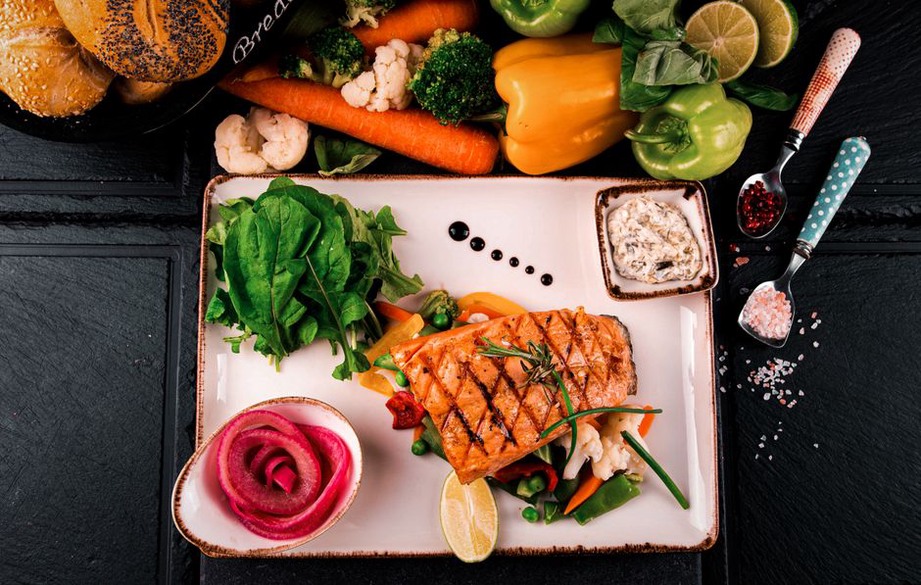
Garlic and onion can make a simple paleo dinner high in FODMAPs. Both fit a typical paleo plan, but their fructans may aggravate symptoms for some people with irritable bowel syndrome (IBS). Leaving them out is only part of the job. Meals still need to be satisfying, include a workable variety of vegetables, and leave room to find out which restrictions are actually necessary.
FODMAPs are fermentable carbohydrates found in everyday foods. Some are poorly absorbed in the small intestine and can draw water into the gut or be fermented by bacteria. In susceptible people, that can contribute to bloating, pain, gas, or changes in bowel habits. It does not mean those foods are unhealthy for everyone. Paleo usually excludes grains, legumes, and dairy; low-FODMAP eating focuses on particular carbohydrates and serving sizes. The approaches overlap, but they serve different purposes.
Decide what the plan needs to do
Think of a low-FODMAP trial as a short, structured investigation, not a permanent upgrade to paleo. The strongest evidence is for managing IBS symptoms, not treating every digestive condition. A trial usually moves through temporary restriction, systematic challenges of FODMAP groups, and a more personal plan that brings back foods you tolerate. A registered dietitian familiar with digestive health can help you avoid unnecessary restrictions and make sense of the results.
Discuss persistent symptoms and significant diet changes with a doctor before starting, especially if symptoms are new or getting worse. Blood in the stool, unexplained weight loss, anemia, fever, or symptoms that wake you from sleep call for medical assessment rather than more food exclusions. If celiac testing is being considered, ask about it before removing gluten-containing foods; avoiding them can affect the results. A low-FODMAP paleo plan cannot replace diagnosis or medical care.
Build meals from a small, flexible framework
Start with a protein, one or two vegetables, a satisfying starch if you want one, and a fat or flavorful dressing. Plain eggs, fish, poultry, and unprocessed meat contain little or no FODMAP carbohydrate. Prepared versions need a closer look: marinades, sausages, and sauces may contain garlic, onion, honey, apple concentrate, or inulin. Seasoned products may also fall outside your version of paleo.
Use a current, reputable FODMAP serving-size reference for produce rather than treating any food list as absolute. Testing methods, product formulations, ripeness, and portions all matter. Carrots, cucumber, spinach, zucchini, and green beans can fit at suitable servings. Fruit options include strawberries, kiwi, oranges, and firm bananas in checked portions. Potatoes and sweet potatoes may work as paleo starches, though sweet potato has a FODMAP serving limit. If your paleo approach excludes white potatoes, choose another tolerated starch instead of leaving meals too small.
Olive oil generally contains no FODMAPs. Garlic-infused oil can provide garlic flavor because FODMAPs are not oil-soluble, as long as the garlic pieces have been removed and there are no added garlic solids. Chives and the green tops of spring onions can stand in for some onion flavor. Check spice blends, too; onion or garlic powder often turns up in them.
Use portions, not just ingredient names
A low-FODMAP label is not permission to eat unlimited amounts. One portion of a fruit may fit while a larger one does not, and several foods containing the same FODMAP can add up in one meal. You need not calculate every bite. Pick a few checked portions and repeat them while you learn what works; if large mixed meals bother you, try spreading fruit and snacks across the day.
Give nut-based paleo foods the same scrutiny. A handful of suitable nuts is different from a bar made with a large amount of nut flour. Cashews and pistachios are commonly restricted during the low-FODMAP phase, while some other nuts fit in measured portions. Coconut oil, coconut milk, and dried coconut differ from one another in their FODMAP content.
Turn the framework into a three-day rotation
Three repeatable days are easier to shop for than seven unrelated menus. These are templates, not prescribed portions. Adjust amounts for your appetite, activity, nutritional needs, and the serving guidance you use.
| Day | Breakfast | Lunch | Dinner |
|---|---|---|---|
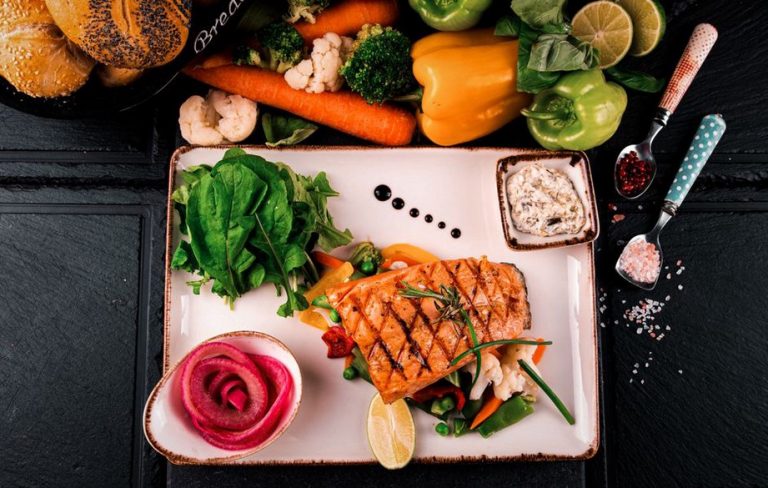
| 1 | Eggs with spinach and chives; kiwi | Chicken, cucumber, carrot, and leafy-greens salad with olive oil and lemon | Salmon, roasted potatoes, and zucchini with garlic-infused oil |
| 2 | Leftover salmon and potatoes with sautéed greens | Turkey lettuce wraps with cucumber and a simple herb dressing; an orange | Beef patties with carrots, green beans, and a checked portion of sweet potato |
| 3 | Eggs with leftover vegetables; strawberries | Leftover beef over greens with potatoes and lemon-olive oil dressing | Chicken tray bake with carrots and zucchini; firm banana later if wanted |
Repeat or rearrange the days instead of cooking nine separate meals. Roast chicken can go into a salad, then become leftovers for a tray bake. Cook vegetables plainly and change the finishing flavors with ginger, lemon, fresh herbs, or garlic-infused oil. If salads are uncomfortable, use cooked greens and carrots at lunch. Raw versus cooked texture, meal size, and fat content can affect comfort apart from FODMAPs.
Before adding a snack, check whether your meals are substantial enough. When a snack is useful, a boiled egg, an orange, or a measured portion of tolerated nuts may be simpler to assess than a packaged paleo bar. Bars often combine dates, chicory root fiber, cashews, and sweeteners; the paleo label tells you nothing about the FODMAP load.
Make the shopping and preparation repeatable
- Pick two proteins to cook ahead. Roast chicken and prepare plain beef patties, for example. Save fish for a day you can cook it fresh, or follow safe storage guidance.
- Choose four or five vegetables. Buy amounts you can use without depending on oversized portions of one food. Plain frozen spinach or green beans can help reduce waste.
- Add starch and fruit deliberately. Plan enough potatoes or another suitable starch for satisfying meals, and choose fruit in portions supported by your FODMAP reference.
- Check flavor shortcuts. Read ingredient lists on broth, seasoning mixes, dressings, and marinades. A simple homemade dressing may be easier to assess than a multi-ingredient bottle.
- Leave room for substitutions. If zucchini is unavailable, pick another checked vegetable rather than assuming a similar-looking one has the same FODMAP profile.
Broth shows why preparation details matter. A long-simmered broth made with onion and garlic is not automatically low-FODMAP just because those vegetables were strained out. For batch cooking, start with a recipe built around suitable ingredients and season the finished dish to taste. Away from home, plain grilled protein and simply prepared vegetables may be easier to assess than sauces. The blog's guide to eating paleo at restaurants and social gatherings has broader planning ideas, though you will still need to check low-FODMAP ingredients separately.
Protect variety while you test tolerance
Combining two restrictive approaches can quietly reduce fiber, calcium, and overall food intake. Paleo already removes several common sources of fiber and calcium; a low-FODMAP phase may narrow fruit, vegetables, and nuts further. Rotate the plant foods you tolerate rather than relying on the same few indefinitely. Eat enough at meals, particularly if you exercise or notice unintended weight loss. When exclusions pile up, individual guidance can help you assess nutrient adequacy.
Avoid layering an autoimmune protocol (AIP) elimination onto both plans without professional support. Its elimination phase removes additional foods, including eggs, nuts, seeds, and nightshades, leaving fewer practical meal options. If you already follow AIP for a separate reason, tell your clinician or dietitian before adding FODMAP restrictions so you can coordinate priorities and reintroductions.
Keep symptom notes simple: record the meal, approximate portions, symptoms, bowel changes, and factors such as stress or a disrupted routine. One uncomfortable dinner cannot identify a single culprit. If a structured restriction phase helps, challenges of individual FODMAP groups can show which foods and amounts you can bring back. If it does not help, staying strict longer or cutting more foods is unlikely to clarify matters without reassessment.
Before your next shop, choose one breakfast, two lunches, and two dinners using foods whose portions you have checked. Put the ingredients for one dependable meal—perhaps chicken, carrots, spinach, potatoes, lemon, and olive oil—on the list first, then build in variety. Discuss ongoing symptoms and any significant changes to your diet with your doctor.