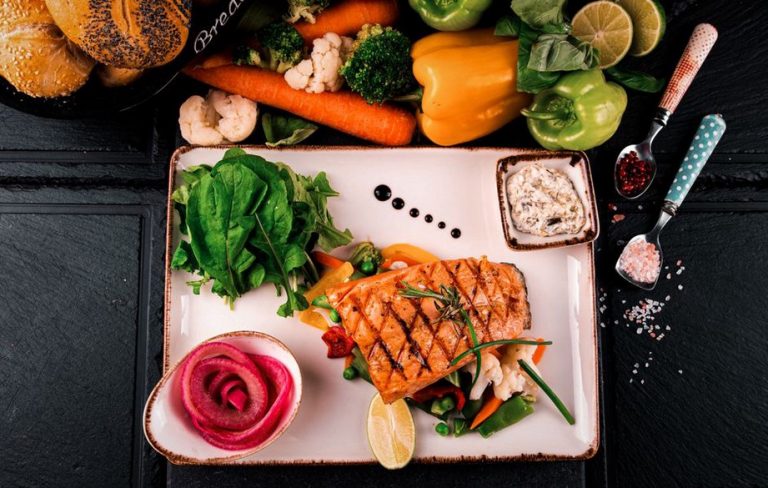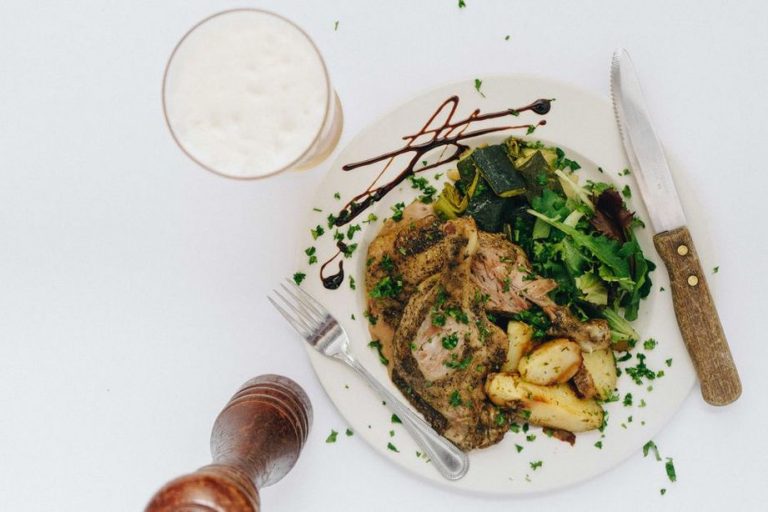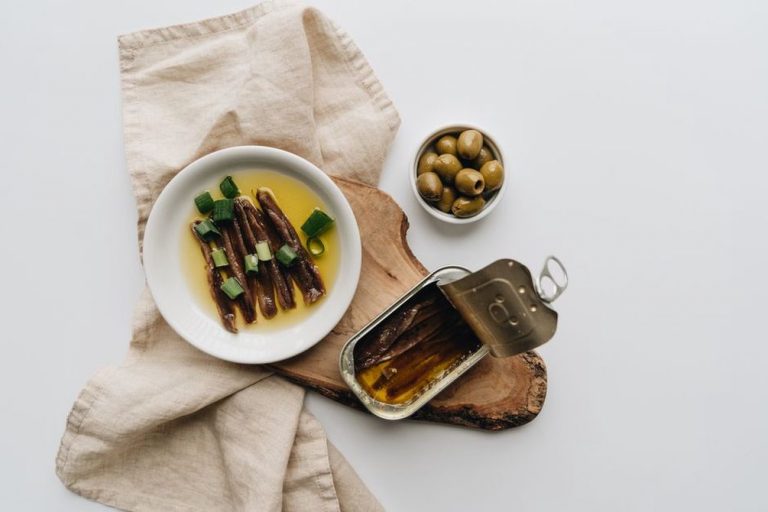
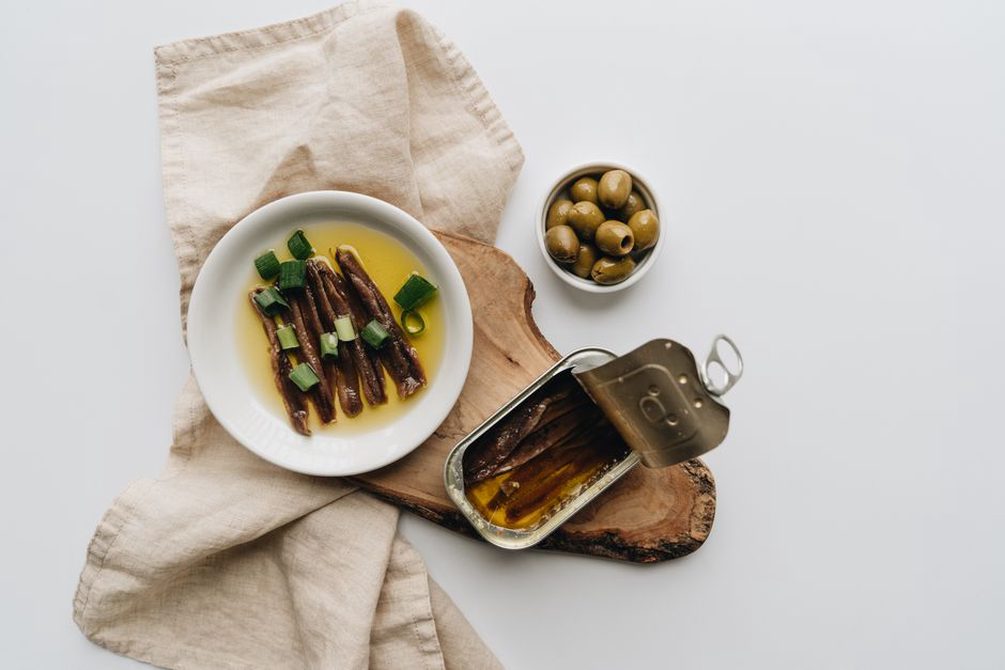
A jar of olive oil, a bag of frozen vegetables and a tin of sardines can get dinner on the table when fresh groceries run low. That is a better test of a paleo pantry than a shelf full of specialty products promising to help your gut. A shopping list cannot repair a microbiome or explain persistent symptoms, but it can make everyday meals easier.
Build a pantry around meals
Paleo eating generally centers on vegetables, fruit, meat, fish, eggs, nuts, seeds and minimally processed fats, while excluding grains, legumes and dairy. There is still plenty of room to choose foods you like and can use in several meals. A bulk purchase of a supposedly gut-friendly ingredient is no bargain if you rarely cook it—or it repeatedly leaves you bloated.
A useful shelf-and-freezer setup covers three things: protein you can reach for without another shopping trip, produce you will actually prepare, and fats and flavorings that make a meal appealing. Fresh groceries can add variety without having to carry the whole week.
Proteins that wait for you
- Tinned fish: Sardines and salmon are convenient sources of protein. Varieties with edible bones also provide calcium. Check the ingredients if sauces or seasonings matter to your diet.
- Frozen fish, poultry or meat: Freeze in meal-sized portions so you can thaw only what you need, and follow safe thawing and cooking practices.
- Eggs: If you eat them, they make a quick meal with leftover vegetables. Eggs are excluded during the elimination phase of the autoimmune protocol, or AIP.
- Plain canned meat or fish: Handy as a backup if the ingredient list fits your needs. Choose lower-sodium options if that matters for your health.
Bone broth makes a flavorful base for soup, braising or reheating leftovers. It is neither an essential pantry staple nor a proven treatment for intestinal problems. Refrigerate opened containers promptly.
Produce with a longer window
Frozen spinach, green beans, carrots, cauliflower and berries take some pressure off using fresh produce before it spoils. Plain frozen vegetables are usually easier to work into different meals than seasoned blends. Onions, garlic, winter squash and sweet potatoes can also keep well when stored appropriately, though their shelf life depends on temperature and condition.
Add a few fresh foods with different textures—cabbage for cooking, perhaps, and citrus for a bright finishing note. Different plants provide different fibers and other compounds, so variety is useful. But going quickly from very little produce to large portions can increase gas. Frozen vegetables count; your crisper drawer does not need to be full.
Choose fats, flavor and crunch deliberately
Olive oil works in dressings and many cooked dishes; avocado oil is another cooking option. Keep oils away from heat and light, and pay attention to freshness. Olives and canned coconut milk add richness, though coconut milk varies by brand. Some cans contain gums or sweeteners, and large servings may not sit well with everyone. The label tells you what is in the can, not how you will feel after eating it.
Herbs, dried spices, lemon juice and vinegar help keep simple meals interesting. Check spice blends for sugar, flour or ingredients excluded by the protocol you follow. Nuts and seeds add crunch and nutrients on a standard paleo diet, but large handfuls can be hard to digest for some people. They are also excluded during AIP elimination. A basic paleo pantry is not automatically an AIP pantry.
If the way you prepare vegetables affects how often you eat them, keep a few easy cooking methods in rotation. Our guide to keeping more nutrients in paleo meals when cooking looks at that trade-off without insisting that every vegetable be eaten raw.
What “gut-friendly” can—and cannot—mean
Fiber-containing plants help feed gut microbes, but the microbiome responds to eating patterns, not one pantry item. Research links varied plant intake with aspects of microbial diversity; those findings cannot tell an individual which food will ease their symptoms. Paleo removes legumes and whole grains, both potential fiber sources, so include a range of produce and fruit, plus nuts and seeds where tolerated.
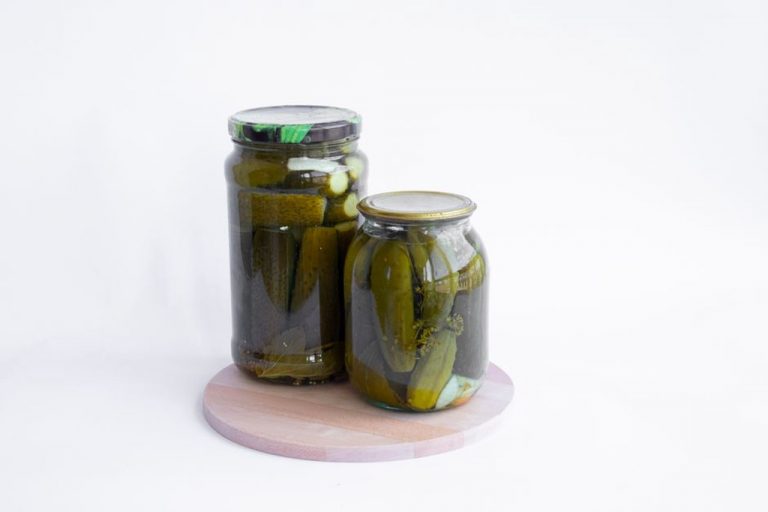
Fermented foods are optional. Sauerkraut and other fermented vegetables may contain live microbes if they have not been heat-treated, but products differ, and “fermented” on a label is not a promise of benefit. If you enjoy them, try a food-sized portion rather than making them a pantry requirement. Acidic or fermented foods can aggravate symptoms for some people. Anyone advised to avoid unpasteurized foods should follow their clinician’s guidance.
Meal size, eating pace, stress, medications and underlying conditions can all affect digestive comfort. Feeling bloated after cauliflower and onions does not prove either food is harmful. You might try a smaller serving or cooked vegetables at another meal before cutting out a whole food group.
Make the pantry useful on a difficult day
A few combinations you can make without much thought are more useful than a long list of approved ingredients. Treat these as starting points and swap foods according to preference and tolerance:
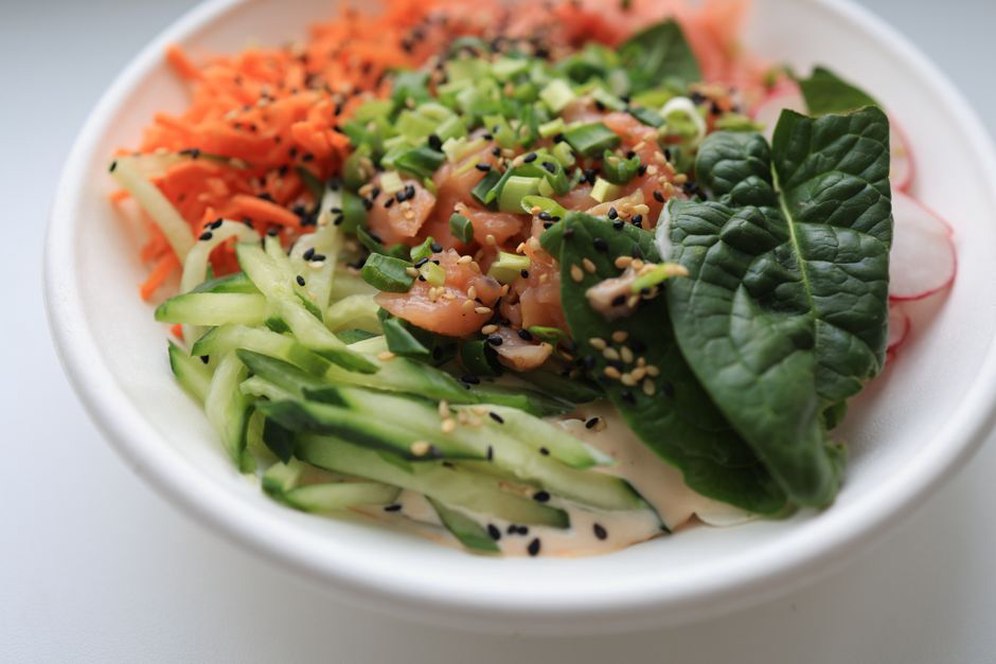
- Fast lunch: Tinned salmon, leftover roasted sweet potato, cucumber and an olive-oil-and-lemon dressing.
- Freezer dinner: Frozen fish with cooked green beans and squash, finished with herbs.
- Low-prep soup: Plain stock, frozen vegetables and cooked shredded chicken; add olive oil after serving.
None is a prescription for sensitive digestion. Portions and ingredients still matter. If raw cucumber feels uncomfortable, use a cooked vegetable. If a generous serving of squash leaves you too full, have less alongside more protein.
Shop for flexibility, not restriction
Before buying paleo crackers, flour blends or snack bars, check whether you already have what you need for two lunches and two dinners. Packaged foods can be convenient, but “paleo” on the front tells you little about nutritional quality or how well you will tolerate them. With a short list of dependable ingredients, it is often easier to notice what you enjoy and what changes when you vary a meal.
If you are considering AIP or another elimination approach, discuss the diet change with a doctor, especially if symptoms persist. Extended restriction can make it harder to meet nutritional needs. A plan to reintroduce foods matters, too, if the aim is to learn what you tolerate rather than keep removing foods indefinitely. Persistent or worsening digestive symptoms call for medical assessment, not another round of pantry edits.
On your next grocery trip, choose one shelf-stable protein, two frozen vegetables and one fresh vegetable you know how to cook. Write a meal beside them on your list—sardines with warm sweet potato and sautéed greens, for example—so each purchase has a job.