A missed period after switching to paleo is not a sign that the diet is “balancing hormones.” If the switch also brought smaller meals, fewer carbohydrate-rich foods, and harder workouts, not eating enough may be part of the picture. Pregnancy, medication changes, thyroid conditions, and perimenopause are other possibilities. A food diary can help put the change in context, but it cannot tell you what caused it.
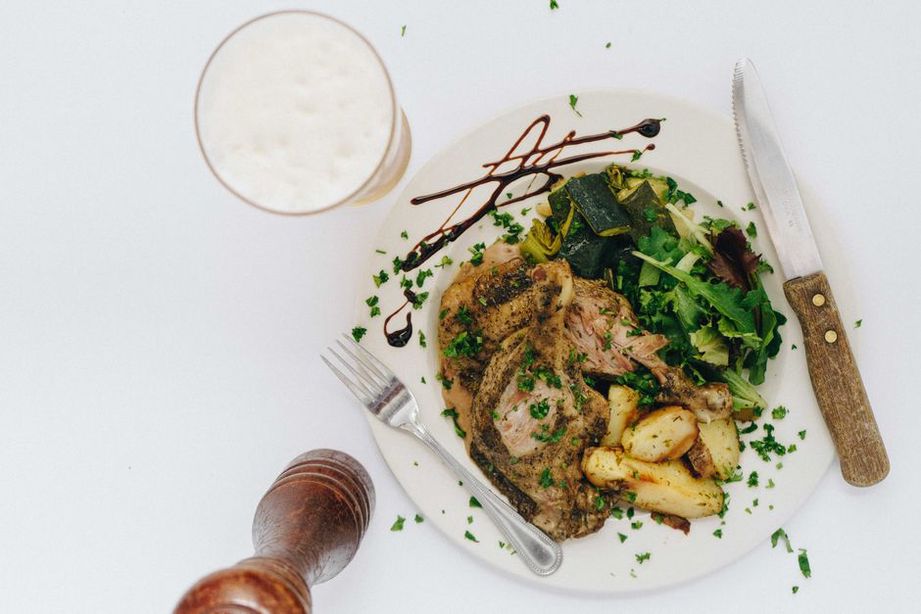
Paleo eating generally emphasizes vegetables, fruit, meat, fish, eggs, nuts, and seeds, while excluding grains, legumes, and usually dairy. It can provide valuable nutrients, but the label tells you little about whether you are eating enough for your needs. Sleep, stress, illness, exercise, age, and medications can affect hormonal health too.
Start with enough food, not a promise of balance
Hormones help coordinate the menstrual cycle, metabolism, and the body's response to stress. When food intake does not cover daily activity and exercise, menstrual function may be disrupted. That is worth considering if a new paleo routine has replaced substantial meals with salads or removed familiar starches without replacing them.
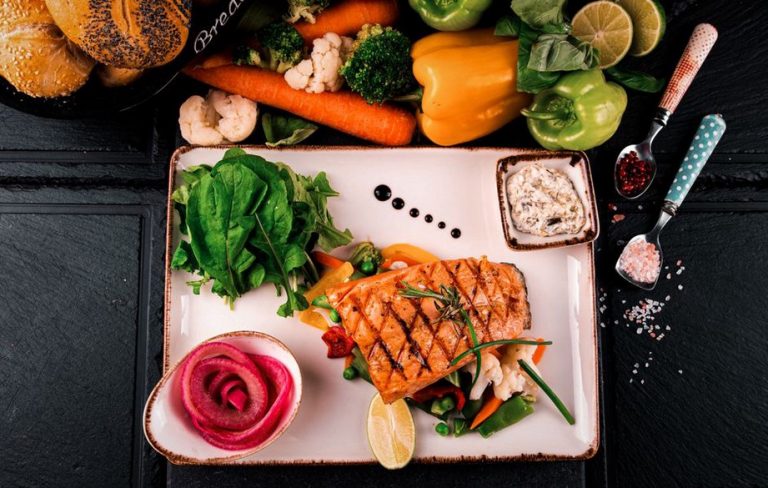
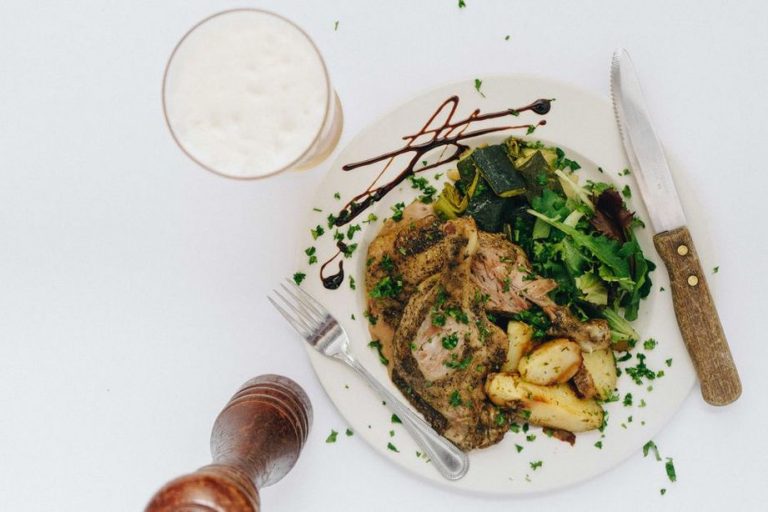
Instead of chasing a particular “hormone-friendly” ratio, look at your meals. Do they leave you satisfied? Is there a source of carbohydrate alongside protein, fat, and produce? Sweet potatoes, potatoes, squash, plantains, and fruit can make paleo meals more substantial. A lunch of chicken and greens, for example, might be more satisfying with roasted potatoes and olive oil than with extra greens alone. If you train regularly, you may need more food around activity. Persistent fatigue, declining performance, or a changed cycle calls for attention, not stricter rules.
Nutrients that deserve a closer look
Cutting out whole food groups does not automatically cause a deficiency, but it can leave fewer dependable sources of certain nutrients. Variety is more useful than a list of foods said to “balance hormones.”
- Iron: Menstrual blood loss raises iron needs for many women. Meat and seafood provide iron; leafy greens offer smaller amounts, and pairing plant sources with vitamin C-rich produce may help absorption. Heavy periods or unusual fatigue are reasons to speak with a clinician, not to assume iron is the cause.
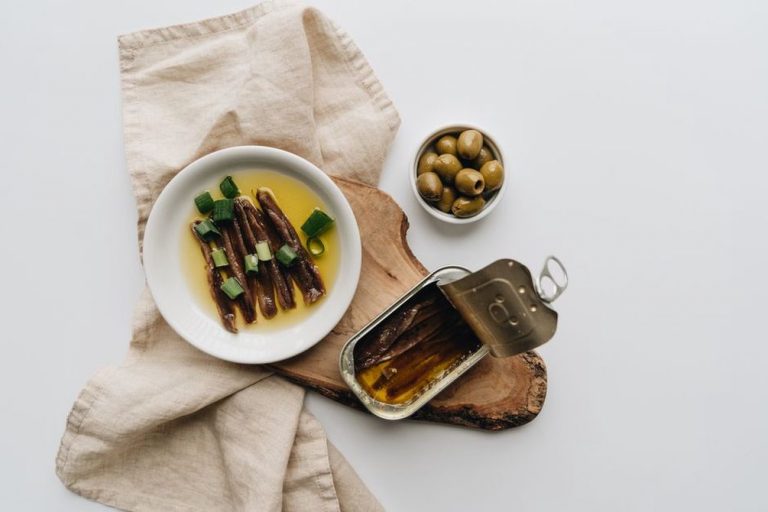
- Calcium and vitamin D: Without dairy, calcium may take more planning. Canned fish with edible bones, calcium-containing greens, and suitable fortified dairy alternatives can help, depending on what fits your approach. Vitamin D needs depend partly on sun exposure and individual circumstances; a clinician can advise on testing when appropriate.
- Iodine: Seafood and iodized salt are potential sources. If you avoid both dairy and iodized salt, consider whether your usual meals provide enough iodine, especially if you are planning a pregnancy. More iodine is not necessarily better for thyroid health.
- Folate and choline: Leafy vegetables and avocado contribute folate; eggs and some animal foods provide choline. Both deserve particular attention before and during pregnancy, when dietary decisions should be reviewed with a qualified clinician.
No single meal has to cover every nutrient. Your usual week gives a clearer picture than one perfect-looking plate.
Read cycle changes in context
What a simple record can show
For two or three cycles, note the first day of bleeding, approximate cycle length, changes in flow, and symptoms that affect daily life. Record major changes in meals, exercise, sleep, or medication alongside them. This gives a healthcare professional a timeline without treating every fluctuation as a reaction to food.
Some cycle variation is normal, especially during adolescence and perimenopause. Still, a missed period, newly irregular cycles, very heavy bleeding, significant pelvic pain, or persistent exhaustion calls for medical advice. If pregnancy is possible, consider it promptly. Food changes should not delay an evaluation.
Claims that paleo reliably improves estrogen, progesterone, PCOS, or thyroid function go beyond what current evidence can establish. Someone may feel better after eating regular, satisfying meals or avoiding foods that upset their digestion, but that does not show whether any hormone changed. A diagnosed endocrine condition needs individualized care; diet is not a substitute for treatment.
Keep digestive experiments separate from hormone claims
A sudden increase in vegetables, nuts, or raw salads can change how your digestion feels. Bloating after a large meal is not proof of a hormone problem or a reason to cut out another food. Notice portion size, fiber intake, preparation, and eating speed first. Cooked vegetables or a smaller serving of nuts may feel more comfortable without narrowing your diet further.
More restrictive approaches, including the autoimmune protocol, need particular care. AIP is an elimination and reintroduction framework, not a proven way to reset hormones. If you are considering it for a specific reason, plan how you will eat enough and how you will reintroduce foods, ideally with professional guidance. Leaving foods out indefinitely can make it harder to meet nutritional needs without making the source of a symptom any clearer.

Make changes that can be evaluated
Try one manageable change at a time: add a starchy food to lunch, make breakfast more substantial, or replace some raw vegetables with cooked ones. Keep the rest of your routine reasonably steady for a few weeks, and note your energy, hunger, digestive comfort, and cycle dates. You will not prove cause and effect, but you may avoid the confusion of changing several things at once. If your sleep has changed too, what to watch for when paleo affects sleep can help you sort through your observations without assuming food is the only factor.
Discuss persistent symptoms and significant dietary changes with a doctor or other qualified healthcare professional, especially if your periods change, you are planning a pregnancy, or you already have an endocrine condition. At an appointment, a short record of cycle dates, a few representative meals, and when your eating pattern changed will be more useful than a list of foods labeled “good” or “bad” for hormones.