In Episode 11 of our podcast, recorded on July 21, 2017, we tackled a question that keeps coming up in the Paleo community: does the time of day you eat change how well your body digests and absorbs nutrients? Most of us obsess over what we eat—meat, vegetables, healthy fats—but rarely think about when we eat. That conversation drew on emerging research in chrononutrition, the study of how circadian rhythms influence metabolism and digestive function. For anyone on a Paleo or AIP elimination diet, understanding this layer can mean the difference between persistent bloating and genuine comfort.
What Science Says About Circadian Digestion
Your digestive system doesn't run at full throttle 24 hours a day. Enzymes, stomach acid secretion, and gut motility follow a daily rhythm governed by the suprachiasmatic nucleus in the brain and peripheral clocks in the liver, pancreas, and intestines. Studies show that salivary amylase and pancreatic enzyme output peak in the early to mid-day, while gastric emptying slows significantly after sunset. That heavy steak dinner at 9 p.m. may sit in your stomach longer than the same meal eaten at noon, potentially triggering reflux, gas, or disrupted sleep.
Episode 11 highlighted a 2015 randomized crossover trial where participants ate identical meals at either 8 a.m. or 8 p.m. for one week. Those who ate late showed higher postprandial glucose and insulin levels, along with a measurable drop in the thermic effect of food—meaning they burned fewer calories digesting the same nutrients. The study was small, but the pattern aligns with broader evidence that late eating impairs digestion efficiency. For someone already dealing with food sensitivities, that inefficiency can amplify symptoms like cramping or loose stools.
Practical Takeaways from Episode 11
We distilled the science into three actionable principles that fit a Paleo template without requiring strict meal schedules:
- Front-load your protein and fat. Aim to consume the bulk of your animal protein and saturated fats earlier in the day—by 2 or 3 p.m. Your body’s digestive capacity is highest then, and protein requires significant gastric acid and pepsin, both of which follow a circadian peak.
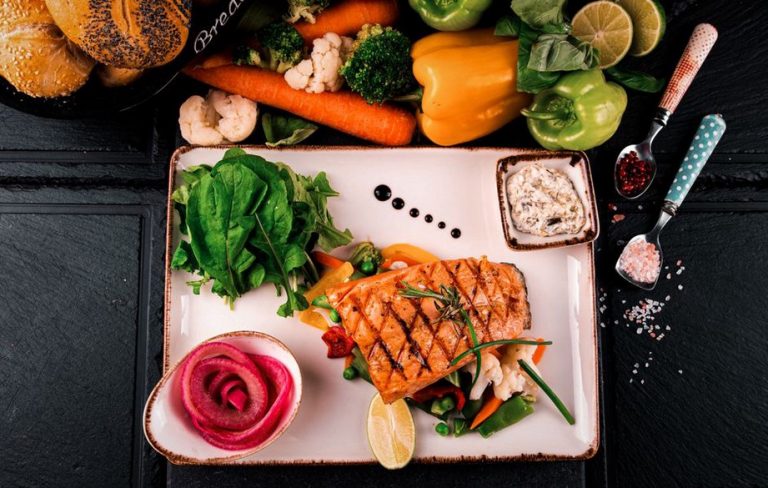
- Keep evening meals light and early. A dinner of steamed vegetables, a small portion of lean fish, or bone broth soup is easier to process than a heavy red meat dish. Finish eating at least three hours before bedtime to allow the migrating motor complex to complete its housekeeping cycle.
- Respect your own rhythm. Not everyone’s clock is identical. Some people naturally produce more digestive enzymes in the evening. The key is to test your own response: keep a simple log of meal times and symptom scores for one week, then adjust.
How to Apply This to Your Elimination Diet
If you are in the strict elimination phase of the Autoimmune Protocol (AIP), meal timing can be a low-risk variable to optimize. Often, people blame a specific food when the real culprit is the hour at which they ate it. For instance, reintroducing egg yolks at dinner may cause a reaction that would not occur at breakfast. Our guest in Episode 11, a registered dietitian specializing in chrononutrition, recommended that during elimination you standardize your eating window (e.g., 10 a.m. to 6 p.m.) before changing any food variables. That way, you isolate the food effect from the time effect.
This principle also matters during the reintroduction phase. When you test a new food, try it at the same time of day for all three challenge days. If you test nuts at lunch one day and at dinner the next, you may confuse a time-related bloating with nut sensitivity. For a deeper dive into structured reintroduction strategies, see our earlier conversation with Joanna Frankham in Lessons from Joanna Frankham’s AIP Reintroduction Strategy—she emphasizes consistency in timing as a core component of her protocol.
A Note on Reintroduction Timing
One listener question during the episode asked whether the order of reintroduction matters more than the time of day. We discussed that both matter, but timing is often overlooked. The 2016 survey of 1,167 AIP practitioners (referenced in a previous post) showed that people who reintroduced foods during a consistent morning window reported fewer false positives than those who tested randomly throughout the day. While not a controlled trial, the anecdotal signal is strong enough to warrant a personal experiment.
If you struggle with persistent gas or bloating despite eating strictly Paleo, try this narrow experiment: for one week, eat your largest meal between 11 a.m. and 1 p.m., and have a very small dinner (mostly vegetables and a little fat) before 6 p.m. Record your symptoms each evening. Many people find that their “trigger foods” are actually well-tolerated when consumed earlier. That simple shift may reduce the need to eliminate more foods than necessary.