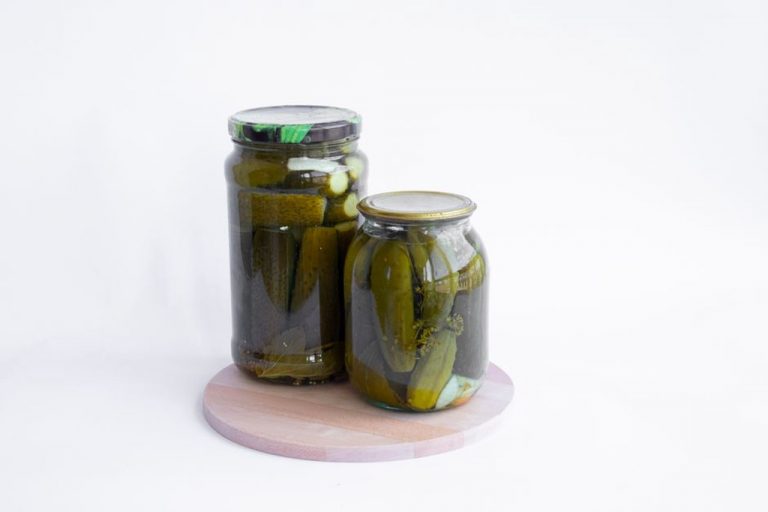
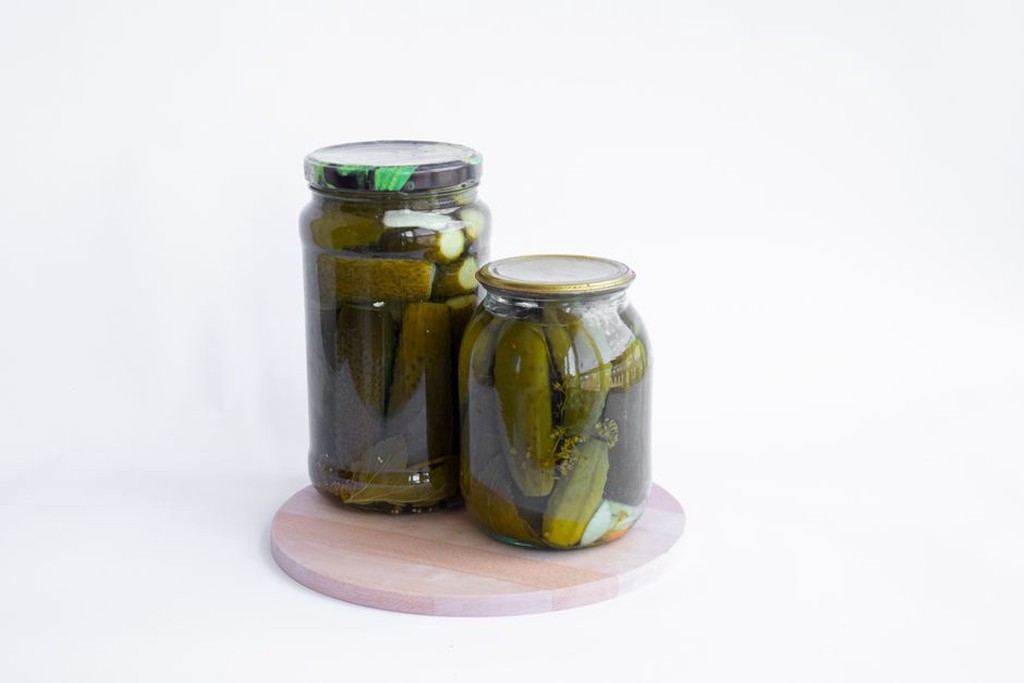
Two jars labeled “pickles” can be quite different. Cucumbers preserved in vinegar may fit a paleo meal, but they are not the same as cucumbers fermented in salt brine. If you want live cultures, check the processing method and storage instructions, not just a “fermented” claim on the front of the jar.
There is a second distinction: “contains live cultures” does not necessarily mean “probiotic.” Probiotics are live microorganisms shown to provide a health benefit when consumed in an adequate amount. A fermented food may contain live microbes without evidence for a particular benefit, and the microbes can vary between batches. These foods can be enjoyable additions to a varied diet, but they are not a treatment for digestive symptoms.
Start with foods that fit your version of paleo
Many people eating paleo avoid dairy, grains, and legumes, so yogurt, kefir, miso, and tempeh may not fit their usual plan. Brine-fermented vegetables, some fermented fruit or vegetable drinks, and certain coconut-based cultured foods offer other options. The ingredients—and how you tolerate them—matter more than the name on the package.
Salt-brined vegetables
Raw sauerkraut and fermented cucumbers, carrots, or cauliflower are practical places to start. In traditional vegetable fermentation, microbes convert some of the vegetables’ sugars into acids in a salty environment. The result is tangy and often softer than the fresh vegetable. It may contain live microbes if it has not been heat-treated afterward.
At the shop, look for “naturally fermented,” “unpasteurized,” or “contains live cultures,” and check whether the jar needs refrigeration. These are clues, not guarantees of a particular microbe count. Shelf-stable sauerkraut may have been pasteurized, removing live cultures while leaving it a fermented food. Vinegar can appear in a fermented product too, so the ingredient list may not settle the question; the maker’s description of the process can help.
Cabbage-and-salt sauerkraut is often easier to assess than a heavily seasoned mix. Kimchi varies considerably. Some versions contain fish sauce or shrimp, which may fit someone’s paleo choices but pose an allergy concern. Chili and other spices may also be excluded during an autoimmune protocol (AIP) elimination phase. Read the full label rather than treating every kimchi as interchangeable.
Coconut-based cultured foods
Coconut yogurt can be a dairy-free source of live cultures, but the word “coconut” does not tell you whether it fits your paleo plan—or contains cultures at all. Look for a live-and-active-cultures statement, then check for ingredients you avoid, such as added sugar, grain-based thickeners, or sweeteners. Some products are heat-treated after culturing; others are coconut desserts that were never cultured.
Coconut yogurt also tends to contain much less protein than dairy yogurt. An unsweetened version can sit alongside a meal, but it should not quietly replace a protein source such as eggs, fish, or meat. During AIP elimination, check every ingredient against the phase you are following. Dairy-free does not automatically mean AIP-compatible.
Fermented drinks
Kombucha and water kefir are often sold as probiotic drinks, though their live-microbe content varies with production and storage. Neither is necessary for a paleo diet. Added or residual sugar, carbonation, and small amounts of alcohol produced during fermentation may be more relevant to your comfort or circumstances than the word “probiotic.”
Check the serving information, especially on a large bottle that contains more than one serving. If you avoid alcohol altogether, including during pregnancy, do not assume a fermented drink is alcohol-free. And if fizzy drinks leave you bloated, a spoonful of fermented vegetables with a meal may be an easier food to try.
What fermentation can and cannot tell you
Microbes make fermentation possible, but they do not always survive processing, storage, and digestion in the same numbers. Baking sourdough kills the organisms involved in its fermentation; sourdough is also generally outside a grain-free paleo pattern. Pasteurized sauerkraut still offers vegetables and flavor, but it is not a reliable source of live cultures.
Probiotic effects depend on the microorganism, the amount consumed, and the condition studied. Evidence for a named strain in a controlled product cannot simply be applied to a jar of homemade kraut. Research on fermented foods and health is developing, but it has not shown that a particular paleo-friendly ferment will correct a microbiome imbalance or resolve a chronic condition.
It helps to distinguish probiotics from prebiotics, too. Prebiotics are substances selectively used by microorganisms in ways that can benefit health. Vegetables, fruit, and other plant foods provide fibers and compounds that contribute to a varied diet without being fermented. If you dislike tangy foods, there is no need to force them onto your plate.
Choose one food, then pay attention to the details
If you try several new ferments at once, it is hard to tell which one agrees with you. Start with a small amount of one product alongside a familiar meal, then see how you feel. A tablespoon of plain sauerkraut beside cooked vegetables and protein is easier to assess than a meal that also introduces a new drink, sauce, and spicy kimchi.
- Check the base ingredients. Look for vegetables, salt, water, and seasonings that fit your current eating pattern. Check mixed ferments for allergens.
- Check the processing. If you want live cultures, look for an explicit live-culture or unpasteurized statement rather than relying on “pickled.”
- Check storage directions. Follow the label before and after opening. Live fermented vegetables often need refrigeration, but refrigeration alone does not confirm culture content.
- Notice your response without chasing a reaction. Extra gas or looser stools may mean the food, amount, or timing does not suit you. Discomfort is not proof that it is “working.”
A food-and-symptom record can help you spot patterns. Note the product, approximate amount, meal, and any symptoms, along with other obvious changes that day. One uncomfortable afternoon is not a diagnosis. Discuss persistent symptoms or significant diet changes with a doctor; an elimination diet is not a substitute for medical care.
Fermented foods during an AIP elimination phase
AIP elimination is more restrictive than many general paleo plans and is intended to be temporary and structured. A cabbage-and-salt ferment may fit the food list in a particular AIP plan, while kimchi containing chili pepper, seed-based spices, or another excluded ingredient may not. Commercial ferments can also contain sweeteners or additives that are easy to miss if you read only the front label.
There is no special probiotic requirement that makes an incompatible food worth adding during elimination. When planning reintroductions, do not test a new fermented food in the same meal as a newly reintroduced ingredient; you will have a harder time interpreting your response. Discuss persistent symptoms and changes to an AIP plan with a doctor, particularly if your diet has become increasingly restrictive.
Food safety deserves the same attention as the label
If you do not want to manage home fermentation, buying a refrigerated ferment from a reputable producer is the simpler option. Store it at the temperature on the label and use clean utensils. Discard food that shows signs of spoilage rather than tasting it to decide. A ferment’s normal tang is no reason to ignore an off smell, visible mold, or damaged or bulging packaging.
Home fermentation calls for appropriate salt levels, clean equipment, and vegetables kept submerged in brine. A short product description cannot replace tested food-safety instructions. People who are pregnant, immunocompromised, or managing a serious illness should ask a clinician whether unpasteurized foods are safe for them.
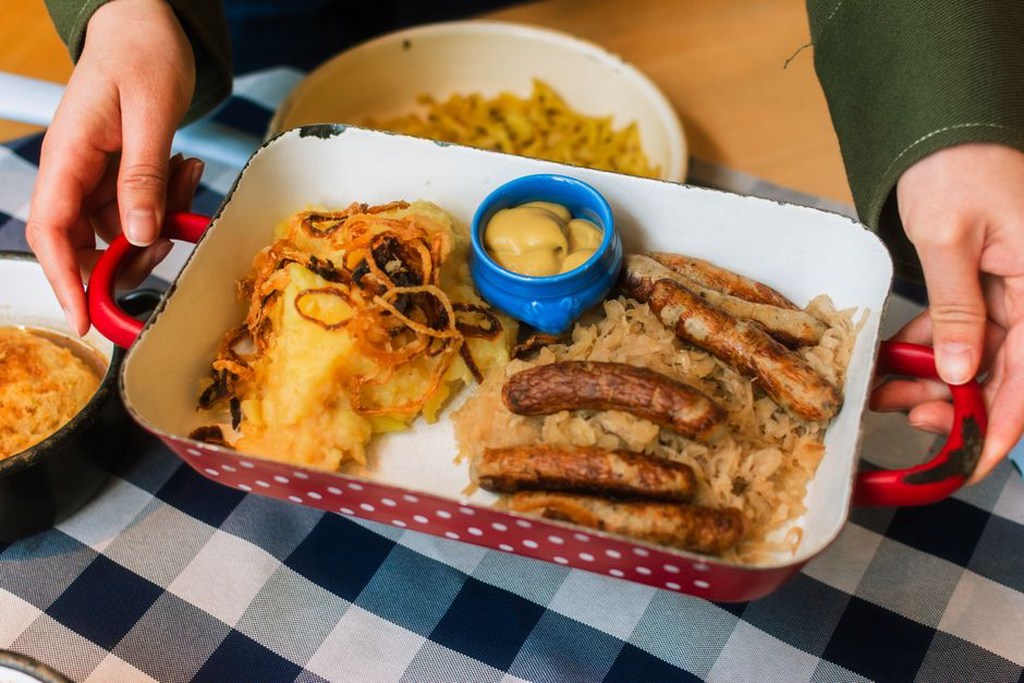
Next time you shop, compare two jars labeled “pickles.” One might list cucumbers, vinegar, and spices; the other might say it was fermented in salt brine and contains live cultures. If the second jar’s ingredients and storage instructions suit you, try a small serving with a familiar lunch. You can decide whether you like it without expecting it to fix your digestion.