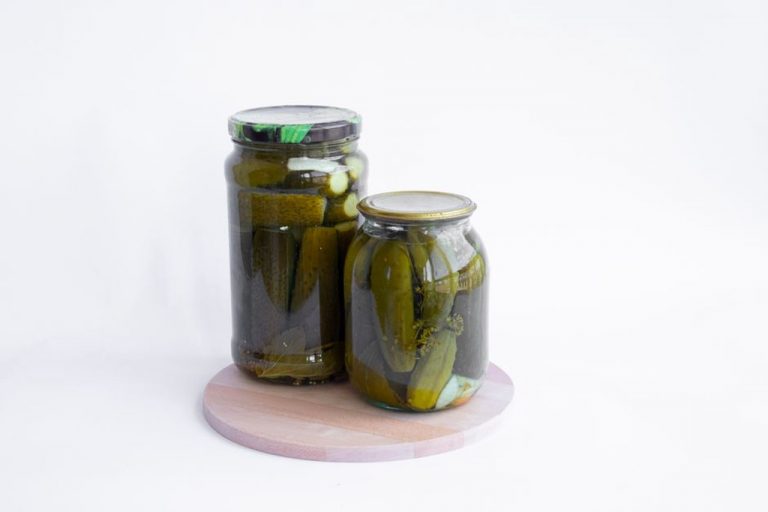

On November 29, 2015, this blog ran a giveaway that included three physical items: a printed food sensitivity tracker, a set of elimination diet flash cards, and a small jar of fermented vegetables starter culture. The giveaway was modest—only fifty kits were available—but the response from readers revealed a persistent need: practical, low-tech tools for navigating elimination diets without getting lost in apps or conflicting advice.
The food sensitivity tracker was a simple grid designed to log meals, symptoms, and daily variables like sleep quality and stress level. The flash cards listed common reintroduction foods (eggs, nuts, nightshades, dairy) with cues for portion size and waiting periods. The starter culture jar contained a dehydrated mix for fermenting cabbage or carrots, intended to support gut microbiota diversity during the elimination phase.
Why These Tools Matter for Elimination Diets
Elimination diets—whether a standard paleo approach, the full Autoimmune Protocol, or a more targeted food sensitivity protocol—share a common challenge: data collection. Without a structured way to record what you eat and how you feel, patterns remain invisible. The 2015 giveaway addressed this directly. The tracker encouraged readers to note not only foods but also non-dietary factors that influence digestion, such as:
- Sleep duration and quality
- Perceived stress (on a 1–5 scale)
- Physical activity type and intensity
- Bowel movement frequency and consistency
- Any medication or supplement use
This holistic logging helped many readers identify that bloating or fatigue often correlated with poor sleep or high stress rather than a specific food. The flash cards, meanwhile, addressed a second common hurdle: the reintroduction phase. Rushing reintroductions or testing multiple foods at once can muddy results. The cards provided a clear sequence and a recommended three-day wait between each new food, a rhythm that aligns with the Heal Clear: A Step-by-Step Food Sensitivity Protocol That Actually Works approach.
The Fermented Starter Culture: A Gut Health Bridge
Including a starter culture for lacto-fermented vegetables was perhaps the most debated item. Some readers worried that fermented foods would trigger histamine reactions or worsen bloating during an elimination phase. Others welcomed the opportunity to introduce beneficial microbes gradually. The kit came with a small instruction card recommending that readers wait until at least the third week of strict elimination before adding a teaspoon of brine or a single forkful of fermented cabbage. This cautious reintroduction strategy allowed users to gauge tolerance without overwhelming the gut.

Feedback from participants highlighted two practical lessons. First, those who started with a tiny amount (less than a tablespoon) and increased slowly over several days reported far fewer negative reactions than those who jumped to a full serving. Second, the type of vegetable mattered: carrots and beets tended to be better tolerated than cabbage or kale, possibly due to lower sulfur content. These observations reinforced the principle that even “gut-friendly” foods need individual titration.
What Readers Learned About Symptom Tracking
Several months after the giveaway, a follow-up survey asked participants what changes they had made to their tracking habits. The most common answer was that they began recording symptoms earlier in the day—before breakfast—to capture baseline states. Many also started noting the time of symptom onset relative to meals, which helped distinguish between immediate food reactions (within 30 minutes) and delayed responses (2–24 hours). These small adjustments turned the simple grid into a powerful diagnostic aid.
Another insight emerged around the flash cards: readers who laminated them or kept them in a kitchen drawer used them more consistently than those who stored them away. The physical presence of the cards served as a reminder to slow down and follow the reintroduction protocol rather than guessing. This aligns with behavioral research showing that environmental cues can significantly improve adherence to structured health routines.
Practical Takeaways for Today’s Elimination Diets
The 2015 giveaway is long gone, but the principles behind the tools remain relevant. If you are starting an elimination diet today, consider creating your own version of that kit:
- A paper symptom diary. Digital apps are convenient, but a physical notebook that stays on the kitchen counter can be more visible and less distracting. Include columns for food, time, symptom type, severity, and notes on sleep and stress.
- Reintroduction cards. Write each food you plan to test on a separate index card. On the back, note the recommended portion, the waiting period, and which symptoms to watch for. Shuffle the cards and pull one at a time to maintain order.
- A single fermented food starter. Whether it’s a jar of sauerkraut from a local farmer or a mail-order culture, introduce it in teaspoon amounts after the first three weeks of elimination. Track tolerance carefully before increasing.
These low-cost, low-tech tools do not replace professional guidance, but they can make the difference between a vague sense of “I feel better” and a clear, reproducible understanding of which foods support your digestive comfort and which do not. The 2015 giveaway was a small experiment in that direction—and the lessons from it are still worth applying.