In early 2014, I had been following a strict Paleo template for nearly two years. My joints still ached on damp mornings, my skin flared with unexplained rashes, and a meal of perfectly compliant sweet potatoes and grass-fed beef could leave me bloated for hours. I had eliminated grains, legumes, dairy, refined sugar, and industrial seed oils. I was eating organ meats, fermented vegetables, and bone broth. By every standard of the Paleo community at the time, I was doing everything right. Yet my body kept sending signals that something deeper was wrong.
That dissonance—between the dietary orthodoxy I believed in and the lived experience of persistent symptoms—forced me to reconsider what root cause actually means. It is not a single food group to excise or a supplement to add. It is a process of investigation, one that requires patience, honest record-keeping, and a willingness to challenge even your most cherished assumptions.
Why My First Elimination Diet Failed to Find the Root
My initial foray into elimination eating was the standard Whole30-plus-paleo approach: remove all potential irritants for 30 days, then reintroduce systematically. I felt better during the elimination phase—less brain fog, better sleep—but within a week of reintroducing eggs and nuts, my symptoms returned. I assumed I had found my triggers and simply avoided those foods. But the underlying inflammation never fully resolved. I was treating symptoms, not causes.
The mistake was stopping too soon. An elimination diet is not a diagnostic tool if you only look at the first layer. The root cause of my health issues was not eggs or almonds; it was a disrupted gut barrier and an imbalanced microbiome that made those foods problematic. I needed to dig deeper.
Shifting from Food Focus to Full Context
By mid-2015, I started tracking not just what I ate, but also sleep quality, stress levels, exercise timing, and even the phase of my menstrual cycle. The turning point came when I noticed that my bloating episodes correlated more strongly with poor sleep nights than with any particular meal. That observation led me to investigate circadian rhythm disruption and cortisol patterns—factors I had never considered as part of a Paleo protocol.
This broader context is exactly what the Autoimmune Protocol (AIP) aims to address. AIP is not just about removing nightshades and seeds; it is a framework for identifying all inputs—dietary, environmental, emotional—that may be driving immune dysregulation. For a detailed look at how the AIP community has evolved internationally, see The Autoimmune Connection: Following AIP Internationally Since 2015. That post documents how practitioners around the world have adapted elimination protocols to their local food environments while keeping the core principle of root-cause investigation intact.
The Role of the Microbiome in Root-Cause Thinking
Around the same time, emerging research on the gut microbiome began to reshape my understanding. It became clear that two people can eat the same Paleo-approved meal and have completely different metabolic and inflammatory responses, depending on their bacterial composition. I started paying attention to the concept of dysbiosis—not just the presence of pathogens, but an imbalance in the ratio of beneficial to opportunistic bacteria.
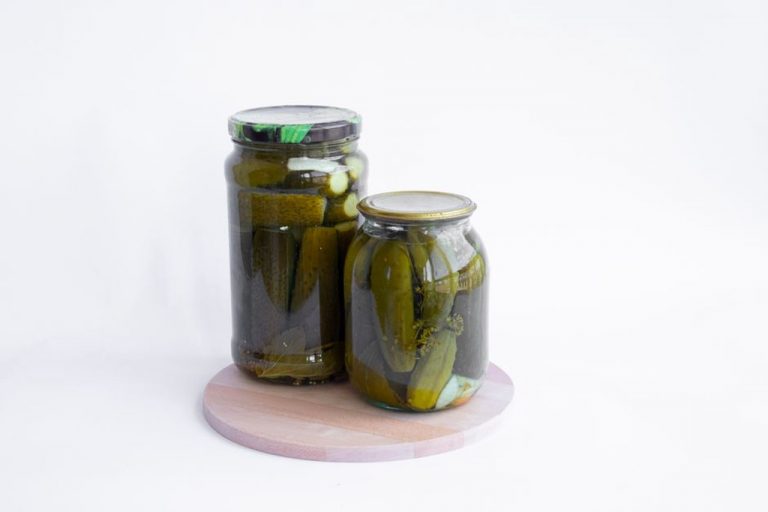
I introduced fermented foods cautiously, tracking histamine reactions. I learned that for some individuals, even sauerkraut and kimchi can exacerbate symptoms if the gut lining is too permeable. The root cause, in many cases, is not the food itself but the state of the gut ecosystem that processes it.
Practical Steps I Took to Find My Root Cause
- Created a layered symptom diary: I recorded meals, sleep, stress, exercise, and bowel movements in a single spreadsheet, then looked for correlations over 8–12 weeks.
- Extended elimination phases: Instead of a 30-day reset, I committed to a strict AIP elimination for 60 days, then reintroduced one food per week with a 3-day washout.
- Monitored non-food triggers: I discovered that high-intensity interval training, which I loved, consistently raised my resting heart rate and worsened joint pain. Switching to walking and gentle yoga reduced systemic inflammation.
- Used a food reintroduction protocol: I didn't just test foods; I tested the form of foods—raw vs. cooked, whole vs. pureed—to see how preparation affected my digestion.
What I Actually Found (and What I Didn't)
After months of meticulous tracking, I identified three primary contributors to my persistent symptoms: chronic sleep deprivation (averaging under 6 hours per night), a hidden sensitivity to high-histamine foods (including bone broth left simmering too long), and a tendency to overeat nuts and seeds even when they were technically AIP-compliant. None of these were the dramatic villains I had expected—no gluten, no dairy. The root cause was a combination of lifestyle factors and subtle dietary nuances that a standard elimination diet would never have revealed.
I also learned what was not the root cause: I did not have a serious autoimmune disease, a parasite, or a genetic mutation that required a special diet. My body was simply responding to accumulated stress and a gut environment that needed more gentle support. That realization was both humbling and liberating.
Why Root-Cause Work Is Never Finished
One of the most important lessons from this journey is that root causes can shift. What triggers bloating today may not be an issue next year, especially after healing the gut. Maintaining a baseline of Paleo principles—nutrient density, low toxins, whole foods—while staying flexible enough to adjust when new symptoms appear is the real skill. The community discussion around exercise and autoimmune management, for example, highlights how even well-intentioned physical activity can become a stressor if the body is not ready. That thread is explored in What the September 2015 Comment Thread Taught Us About Exercise and Autoimmune Disease, which offers practical insights for balancing movement with recovery.
Today, I still keep a simplified version of my symptom diary—just a few lines in a notebook before bed. I no longer need to track every variable because I have learned to listen to my body's early signals: a slight increase in morning stiffness tells me to prioritize sleep; a feeling of heaviness after a meal reminds me to check the histamine load of my ingredients. The root cause is not a destination; it is a continuous, compassionate inquiry.
If you are struggling with unexplained symptoms despite following a clean Paleo diet, consider expanding your investigation beyond food. Look at your sleep hygiene, your stress management, your exercise intensity, and even your social connections. And always discuss persistent issues with a healthcare provider who understands functional medicine. The root cause may be closer than you think—but it often requires looking in places you haven't yet examined.