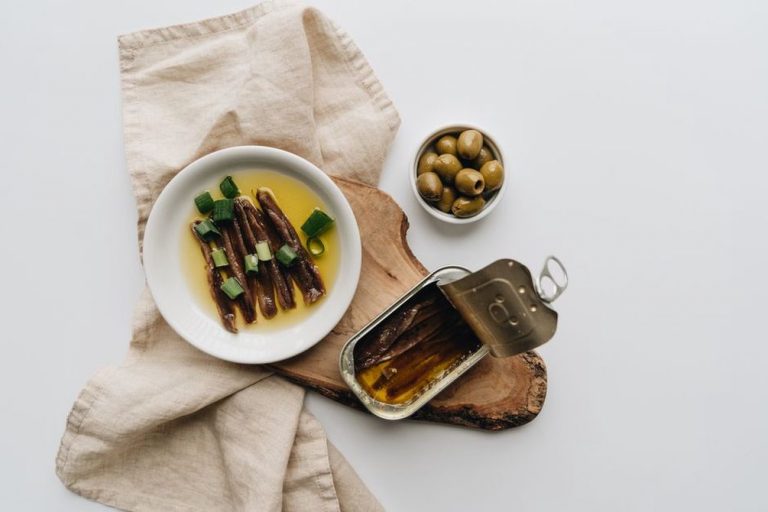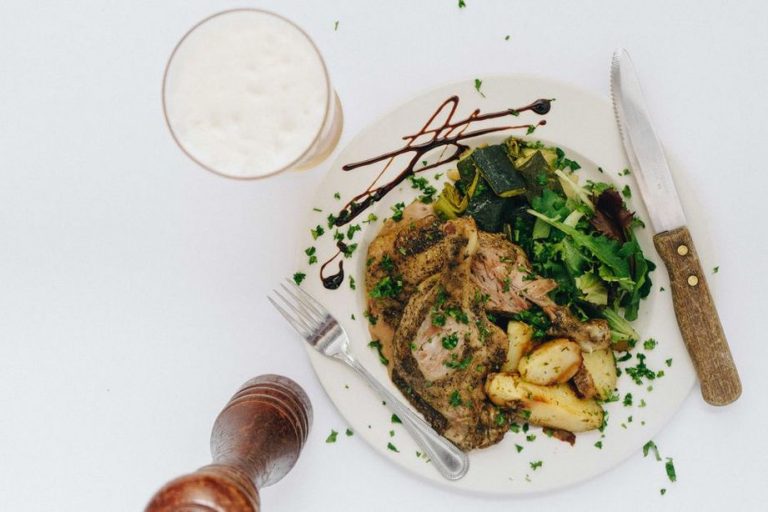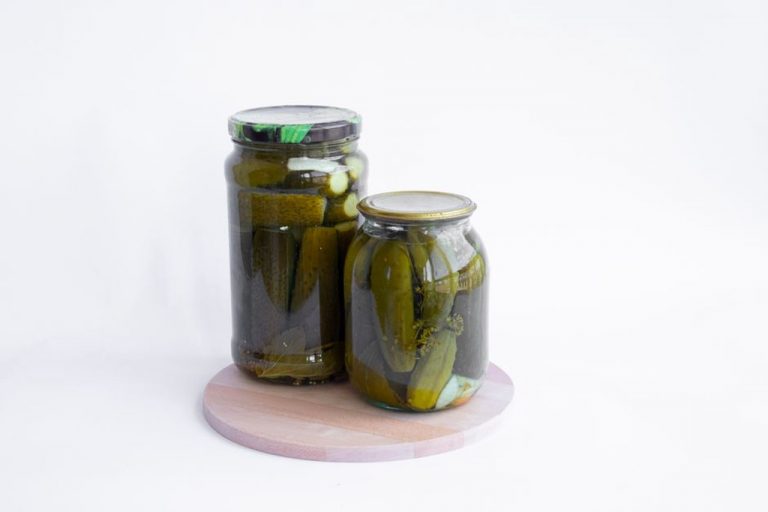
The three-phase Heal, Clear, Feed model for elimination diets didn’t come from a textbook. It grew out of real-world clinical work, where patients kept running into the same problem: cutting out foods helped, but then reintroducing everything at once turned results into guesswork. This framework separates removal, observation, and testing into distinct stages so you can actually tell what’s causing your symptoms. Below is a practical guide for each phase, with enough detail to apply it in your own kitchen.
Phase 1: Heal – Removing the Common Culprits
The Heal phase is the most restrictive. Its goal is not to create a permanent way of eating but to give your gut a period of low-inflammatory input. During this phase, you remove all foods that are frequently associated with immune reactivity, digestive distress, and increased intestinal permeability. For most people following a paleo-oriented elimination diet, this means cutting out grains, legumes, dairy, processed vegetable oils, refined sugars, alcohol, and often eggs, nuts, seeds, and nightshade vegetables as well. The exact list depends on your baseline diet and any known triggers, but the core principle remains the same: eat only whole, nutrient-dense foods that are unlikely to provoke a reaction.
A typical Heal phase plate consists of pasture-raised meats, organ meats, wild-caught fish, a wide variety of non-starchy vegetables (excluding nightshades if you are sensitive), fermented vegetables (if tolerated), bone broth, and healthy fats like olive oil, coconut oil, and animal fats. Some people also include small amounts of low-sugar fruits such as berries. The duration of this phase varies, but most practitioners recommend a minimum of 30 days to allow the gut lining to begin repairing and for any lingering immune activation to subside. During this period, it is essential to keep a detailed food and symptom diary. Without written records, you lose the objective data needed to interpret reintroduction results later.
This phase aligns closely with the principles described in our earlier post on taking paleo to the next level for gut healing, which emphasizes nutrient density, careful food sourcing, and the role of gelatin and glycine from bone broth in supporting intestinal integrity.
Phase 2: Clear – Observing the Baseline
After the initial elimination period, you enter the Clear phase. This is not a separate diet but a deliberate observation window. The name “Clear” refers to the state of your symptom picture: by this point, any reactions tied to your previous diet should have diminished or disappeared, leaving a relatively clean baseline. The Clear phase typically lasts one to two weeks, during which you continue eating the same restricted foods from the Heal phase. The purpose is to confirm that your symptoms have stabilized and to document what “normal” feels like for you at this stage.
Many people notice improvements in bloating, stool consistency, skin clarity, joint discomfort, or energy levels during the Heal phase. The Clear phase gives you a chance to verify that those improvements are consistent and not the result of a temporary fluke. If your symptoms have not improved after 30 days, it may be worth reviewing your food choices for hidden triggers (such as spices, herbal teas, or even certain brands of coconut milk that contain added gums) or considering other factors like sleep, stress, and hydration. The Clear phase is also a good moment to consult with a healthcare practitioner if you have not already, especially if you are managing a diagnosed autoimmune or digestive condition.
During the Clear phase, continue logging your meals and any subtle physical sensations. A symptom score of 0–3 for bloating, gas, stool frequency, and mood can be helpful. This quantitative baseline becomes your reference point for the next phase.
Phase 3: Feed – Systematic Reintroduction
The Feed phase is where the real detective work happens. You begin reintroducing one food group at a time, in a controlled manner, to see how your body responds. The name “Feed” is slightly misleading—it does not mean you return to a free-for-all diet. Instead, you are feeding your system a single new variable and carefully observing the outcome.
Here is a practical protocol for the Feed phase:
- Choose one food to test. Start with a food that is relatively simple and pure, such as egg yolks (not whole eggs at first), cooked carrots (if you avoided nightshades), or a specific nut like almonds.
- Eat a small, moderate serving on day one. For example, two egg yolks or a handful of almonds.
- Then stop eating that food for the next three days. Do not introduce any other new foods during this window.
- Record your symptoms for each of the three days. Compare them to your Clear-phase baseline. Note any delayed reactions, which can appear 24–72 hours after exposure.
- If no reaction occurs, consider the food tolerated for now. You may add it to your regular rotation, but continue testing other foods one at a time.
- If a reaction occurs, stop eating that food. Wait until symptoms return to baseline before testing the next item. Some people wait a full week to be safe.
Common foods to reintroduce in order of increasing risk include: egg yolks, egg whites, ghee, grass-fed butter, nightshade vegetables (tomatoes, bell peppers, eggplant, potatoes), nuts (almonds, walnuts, cashews), seeds (sunflower, pumpkin, sesame), legumes (soaked lentils, chickpeas), and finally grains (white rice, oats, quinoa). The order matters because foods that are more likely to cause issues should be tested later, after you have built confidence with less reactive items.
Practical Tips for Each Phase
Heal phase tips: Prepare meals in bulk to reduce decision fatigue. Use slow cookers or pressure cookers for bone broth and stews. Include a source of gelatin or collagen at least once a day. Prioritize sleep and gentle movement—this is not the time for intense training or prolonged fasting.
Clear phase tips: Review your food diary for any patterns you may have missed. Are you consistently bloated after eating a particular vegetable, even if it is on the “safe” list? Some people react to cruciferous vegetables, FODMAPs, or histamine-rich foods. Consider working with a dietitian to fine-tune your baseline if symptoms persist.
Feed phase tips: Keep a separate reintroduction log with columns for the food tested, serving size, date, and symptom scores for the following three days. Do not test multiple foods simultaneously, even if they seem unrelated—cross-reactivity and cumulative effects can muddy the data. If you experience a strong reaction, do not panic; the reaction is information, not a failure. Return to the Heal/Clear baseline for a few days before proceeding.
Why the Heal, Clear, Feed Model Works
The strength of this protocol lies in its structure. By separating elimination, observation, and testing into distinct phases, it reduces the cognitive load of interpreting ambiguous symptoms. It also respects the biology of immune tolerance: the gut-associated lymphoid tissue needs time to calm down after chronic stimulation, and reintroducing foods too quickly can provoke a false positive. The three-phase model gives your immune system a chance to reset before it is challenged again.
That said, the Heal, Clear, Feed approach is not a cure for any specific condition, nor does it guarantee that you will be able to eat all foods again without issue. Some people discover permanent sensitivities that require long-term avoidance. Others find that after a period of healing, they can tolerate previously problematic foods in small amounts or when prepared in certain ways (e.g., fermented, sprouted, or cooked). The goal is not to expand your diet indefinitely but to build a personalized eating pattern that supports your digestive comfort and overall well-being.
If you are already maintaining a food diary but have taken a break from logging, the method described in our guide on resuming your food diary after a break can help you pick up where you left off and apply the Heal, Clear, Feed structure to your existing data.
One final note: no written protocol replaces individualized medical advice. If you have a diagnosed autoimmune disease, a history of eating disorders, or persistent gastrointestinal symptoms, please discuss any elimination diet with your healthcare provider before starting. The Heal, Clear, Feed model is a tool for self-experimentation, not a prescription.