When I last posted in early May, I was deep in the middle of a controlled reintroduction phase after a strict 21-day elimination. Then life happened — a sudden work trip, a family visit, and a month of near-constant kitchen disruptions. By mid-June I had stopped logging meals and symptoms altogether. It felt like failing, but it turned out to be one of the most informative experiments I never planned. Now, six weeks later, I’m back with a clearer view of what actually matters when real life interrupts a carefully designed gut-healing protocol.
What the Hiatus Taught Me About Paleo in Practice
I had assumed that once I identified my main triggers — dairy, legumes, and certain high-FODMAP vegetables — I could loosen the reins and still feel fine. The first week away from home proved me wrong. Without my usual bone broth, fermented vegetables, and perfectly timed meals, I slipped into a pattern of convenience: nuts and seeds as meal replacements, too much fruit, and a few ‘safe’ restaurant meals that probably contained hidden soybean oil. By day four I was bloated, tired, and frustrated. The symptoms I thought I had resolved came back, but not in the same pattern. Instead of the typical lower abdominal distension, I felt a heavy, dull ache after every meal and noticed my stools became looser. It was a reminder that a Paleo template alone isn’t a guarantee of digestive comfort — the context, preparation, and daily rhythms matter just as much as the ingredient list.
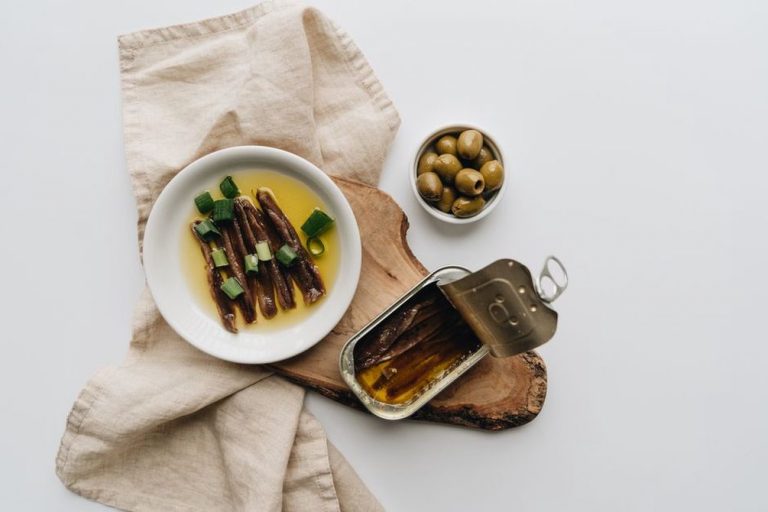
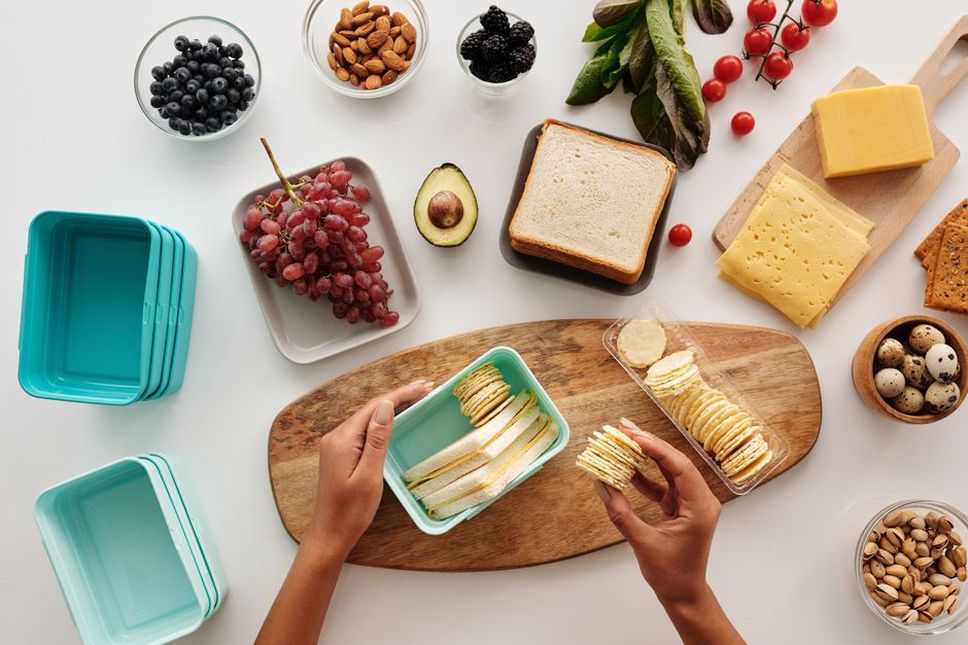
One concrete takeaway: when your routine is disrupted, your gut microbiome shifts quickly. Short-chain fatty acid production may drop, and the balance of bacteria that thrive on consistent fiber intake can change within days. That doesn’t mean you need to panic, but it does mean that a travel-friendly plan should include low-FODMAP prebiotics (like cooked carrots or green plantains) rather than relying on raw vegetables or large amounts of nuts. I’ve since started packing individual portions of roasted sweet potato and canned sardines in olive oil for trips. They keep well, don’t require refrigeration for the first few hours, and provide steady energy without triggering my sensitivities.
The Reintroduction Plateau
Before my hiatus, I had been working through a methodical reintroduction schedule. I had successfully brought back egg yolks and small amounts of ghee, but stalled on egg whites and sesame seeds. When I returned home and tried to pick up where I left off, I discovered that a three-week gap had reset my tolerance levels. The first day I tried a scrambled egg (only whites) I felt a mild flush and nasal congestion within an hour — a reaction I hadn’t experienced in months. This phenomenon — what I call the reintroduction plateau — is something I’ve observed in my own data and in many reader comments. Tolerance isn’t a fixed state; it depends on current inflammation, stress, sleep quality, and microbial composition.
Instead of pushing through, I decided to repeat the elimination baseline for a full week before attempting any new tests. That week of only meat, low-fructose vegetables, and olive oil was enough to calm the reactivity. I then reintroduced egg yolks again with no issue. The lesson: if you take a break from reintroductions, go back to your elimination baseline for at least 5–7 days before resuming. This mirrors the same principle we discoved during the 21-day challenge — that a clean reset provides the most reliable signal.
For readers considering their own reintroduction phases, I recommend keeping a single-food challenge log even when you’re feeling great. A simple notebook or a note on your phone with date, food, portion, and any symptom (even subtle ones like a stuffy nose or fatigue) can save weeks of confusion later. I now keep a permanent history of each food I’ve tested, noting the date and whether it passed. It’s not glamorous, but it’s the most practical tool I have.
A New Perspective on Nutrient Density
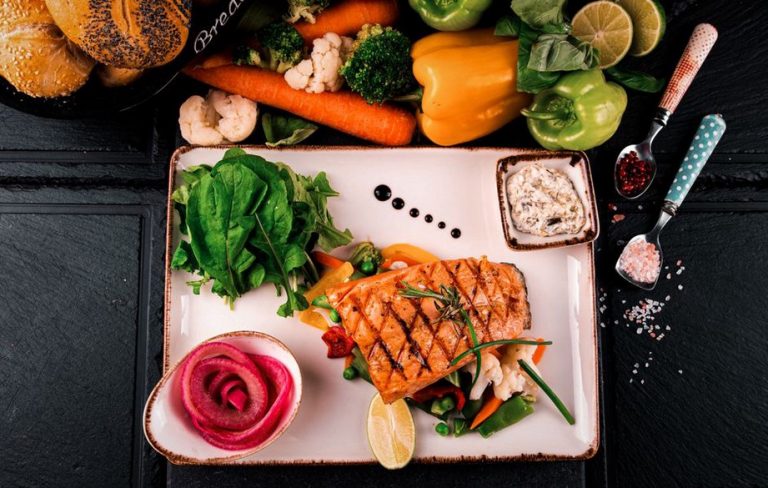
During the hiatus, I ate a lot of simple meals: grilled chicken thighs, steamed broccoli, and white rice (an occasional “safe” grain for me). After a few days, I noticed my energy levels dropped in the afternoon and my skin looked a bit dull. It wasn’t until I returned home and restocked organ meats, salmon roe, and fermented vegetables that I felt the change. Nutrient density — especially in the form of fat-soluble vitamins, minerals, and glutamine — appears to influence not just long-term health, but day–to–day digestive function. Organ meats provide glycine and proline for gut lining repair, while fermented foods support butyrate production.
Here are a few practical, travel-friendly ways to maintain nutrient density even when your kitchen access is limited:
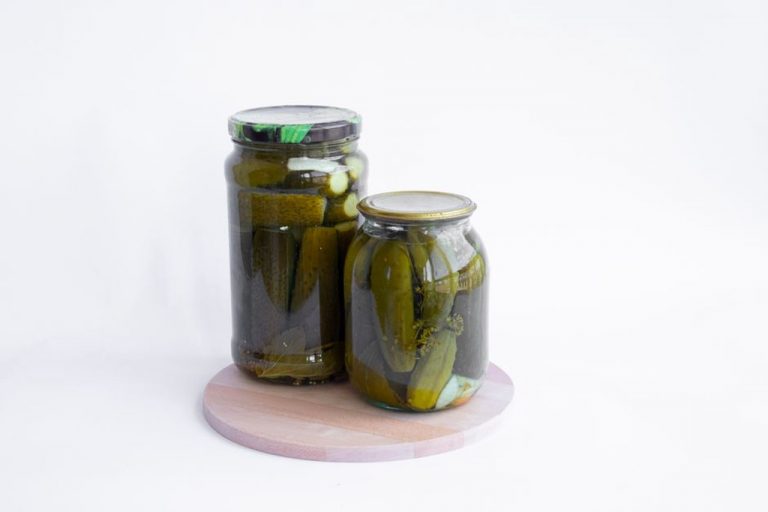
- Pack a small jar of lacto-fermented carrots or sauerkraut (no vinegar). A tablespoon with each meal adds beneficial bacteria and prebiotics.
- Make a batch of bone broth concentrate (simmer until reduced by half), freeze in ice cube trays, and melt a cube into any warm dish.
- Buy small cans of seafood with bones — salmon, sardines, mackerel — and eat them a few times a week for calcium, vitamin D, and omega-3s.
- If you tolerate them, include small amounts of beef liver once a week; a 30-gram serving provides a concentrated hit of B vitamins and copper without overloading vitamin A.

The Role of Stress and Sleep in Digestive Comfort
Before the hiatus, I had compartmentalized my gut issues as purely food-related. The break forced me to confront the impact of disrupted sleep and chronic low-grade stress. During the first week away, I slept poorly — different time zones, unfamiliar beds, and the mental load of travel. My bloating and irregularity spiked even though I was eating relatively clean. I started tracking sleep alongside food and saw a clear pattern: nights with fewer than six hours of sleep correlated with morning bloating and looser stools the next day, regardless of what I ate.
This observation aligns with research on the gut-brain axis: cortisol and adrenaline can alter gut motility, increase intestinal permeability, and shift the microbial community. When I returned home, I prioritized a consistent sleep schedule and a short evening wind-down routine (no screens after 9 pm, a warm bath with Epsom salts). Within a week, the variability in my morning symptoms smoothed out. I am not claiming that sleep cures gut issues—many of my sensitivities remain—but it clearly modulates their intensity. If you are stuck in a reintroduction plateau or experiencing unexplained digestive flares, reviewing your sleep and stress load is as important as reviewing your food log.
One practice I found helpful: setting a timer one hour before bed to do a gentle body scan and reduce mental clutter. It sounds simplistic, but it works for me. I also started going to bed and waking at the same time even on weekends, which helped stabilize my gut rhythm.
What I’m Doing Differently Now
After this unplanned experiment, I’m implementing a few structural changes to my daily routine:
- Meal prep with flexibility. I cook three foundational components each week (a protein, a cooked low-FODMAP vegetable, and a batch of bone broth) that can be combined in different ways. This allows my meals to stay simple even if I’m short on time.
- Mandatory “reset week” after travel. Whenever I return from a trip longer than three days, I plan to eat only my elimination-friendly foods for five days before attempting any new reintroductions. This prevents the confusion of cross-reactivity.
- Sleep-first mindset. I now treat sleep as a non-negotiable pillar of digestive health, not an afterthought. If I feel a symptom flare, I first check my sleep and stress before changing my diet.
I’ve also restarted a daily symptom log, but with a simpler format: just a single rating for bloating (0–5) plus a note on sleep quality and stress level. This small dataset already helps me distinguish between food-related and non-food-related days.
If you’re in the middle of your own elimination or reintroduction phase and feel like you’ve lost momentum, take a step back. The body isn’t a static machine; it responds to context. Revisit your baseline, check your sleep, and give yourself permission to pause. Progress isn’t always linear, and sometimes the best update is simply “I’m back, and I’m listening.”
This week I’m starting a structured two-week experiment on meal timing: eating my largest meal at lunch instead of dinner to see if it reduces evening bloating. I’ll share the results in a future post. In the meantime, pay attention to what your own body tells you when life gets messy.