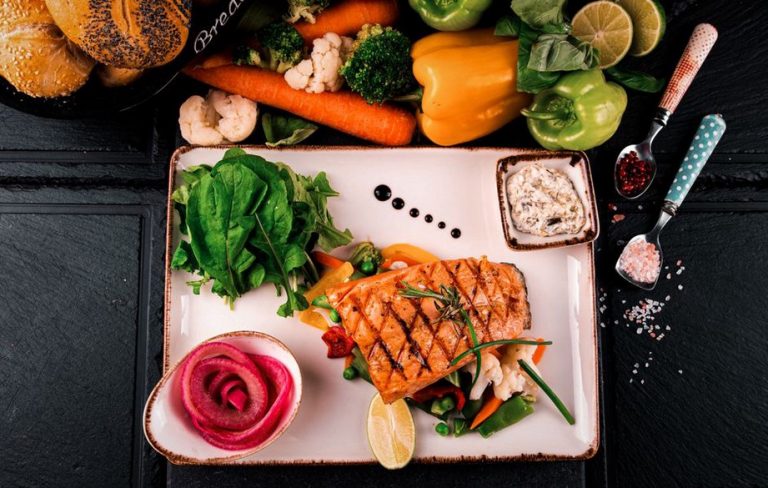
When I first adopted a paleo template five years ago, I felt terrific for the first three months. My energy was steady, my skin cleared, and I thought I had finally solved the puzzle of digestion. Then the bloating crept back—slowly at first, then with a vengeance after meals that should have been “safe.” I was eating grass-fed meat, vegetables, and healthy fats, yet my gut was clearly unhappy. That experience taught me that the basic paleo framework—meat, vegetables, fruit, nuts, seeds, and no grains or dairy—is a powerful starting point, but for many of us, the real work begins once we move beyond the template and start listening to the subtler signals our digestion sends.
Why Paleo Isn’t Always Enough for Gut Health
A strict paleo diet eliminates the most common irritants—gluten, refined sugar, industrial seed oils, and processed foods. That alone can bring dramatic improvements for people with mild sensitivities. But the gut is more complex than a simple yes/no list of foods. Many nutrient-dense paleo staples contain compounds that can cause trouble in a compromised digestive system. Histamine in aged meats and fermented vegetables, oxalates in spinach and almonds, FODMAPs in some fruits and vegetables, and even sulfur in cruciferous vegetables and eggs—all are perfectly healthy for a robust microbiome, yet can trigger bloating, gas, or discomfort when gut motility, enzyme production, or the bacterial balance is off.
Recognizing this is the first step toward taking paleo further. Instead of assuming the diet is failing you, consider that your body may need temporary modifications to heal. This is not about giving up paleo—it is about refining it to match your unique physiology. The next level involves a careful, patient approach to identifying which of these naturally occurring compounds your system handles well and which ones require a break.
The Importance of a Symptom Journal
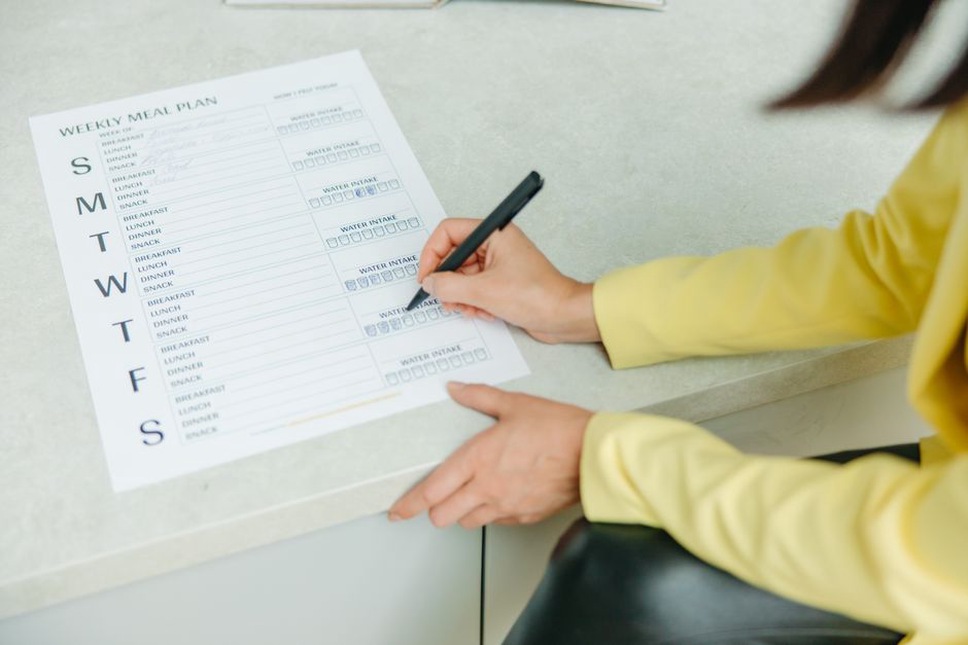
Before you change anything, start tracking. Record every meal, the time you eat, and any symptoms—bloating, gas, brain fog, skin changes, energy dips. Do this for at least one week on your current paleo baseline. Without data, you are guessing. With a journal, patterns emerge that you would otherwise miss. For example, you might notice that bloating appears five hours after lunch, not immediately, pointing to fermentation in the small intestine rather than a rapid food sensitivity. That distinction changes how you plan your reintroductions.
A structured approach to elimination and reintroduction is covered in detail in a companion post, How I Fixed My Gut After Paleo Failed: A Data-Driven Reintroduction Protocol. That article walks through a specific timeline and scoring system that many readers have found helpful for making sense of their symptoms.
Building a Personalized Elimination Phase
Once you have baseline data, you can design a short-term elimination that removes the most common paleo triggers. This is not a long-term starvation plan—typically two to four weeks. During this phase, you eat a very narrow selection of foods that are low in FODMAPs, histamine, oxalates, and sulfur. Think peeled zucchini, carrots, celery, well-cooked white potatoes or sweet potatoes, fresh meat (not aged or ground), and a simple fat like olive oil or coconut oil. You can also include small amounts of berries if they do not cause reactions. This may feel extreme, but it serves a clear purpose: to give your gut a baseline of quiet.
During the elimination, keep your symptom journal going. Rate bloating from 0–10 before and after each meal. Note stool consistency and frequency. You are looking for a period of at least three to five consecutive days where symptoms drop to a low, stable level. That stable point becomes your reference for reintroductions.
One Step at a Time: Reintroduction Rules
After the elimination phase, reintroduce one food group every three days. Do not combine new foods. For example, day one of reintroduction: add a portion of cooked spinach (oxalate test). Wait three days, noting any symptom changes. If your score stays low, move on to a serving of eggs (sulfur test). If symptoms flare, you know that specific food group may need more time or a different preparation method. Many people find that soaking and cooking reduces certain triggers. If you are sensitive to FODMAPs, you might tolerate half a banana but not a whole one.
This systematic process is the opposite of guessing. It is slow, but it is the most reliable way to build a long-term diet that includes a wide variety of nutrient-dense foods without pain. And it respects the fact that your gut health can change over time—you may successfully reintroduce a food after six months that triggered symptoms earlier.
Fermented Foods and Nutrient Density: Proceed with Caution
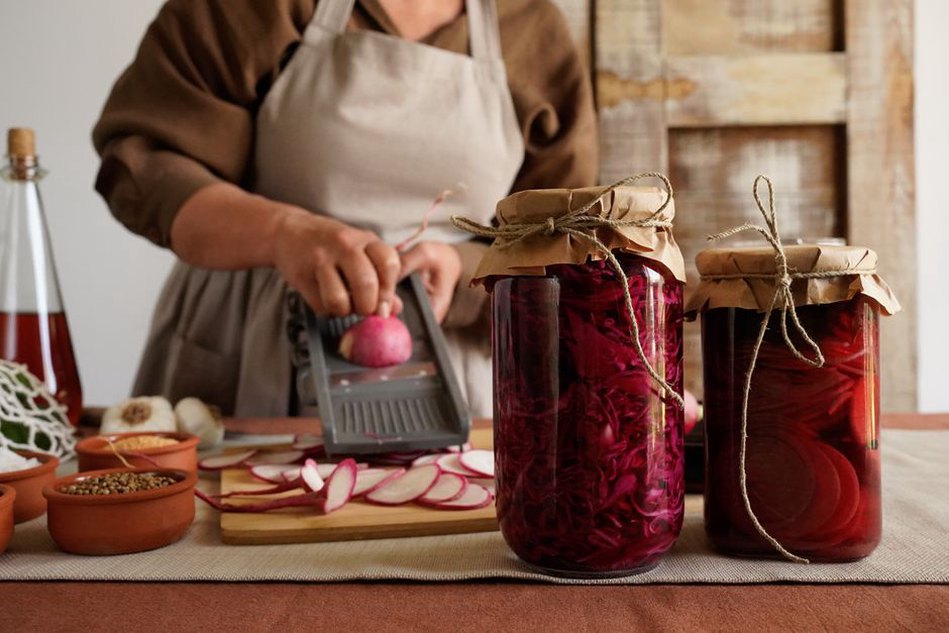
Many paleo advocates recommend fermentation as a way to support the microbiome. Sauerkraut, kimchi, and kombucha can indeed provide beneficial bacteria. But for someone with histamine intolerance or bacterial overgrowth (SIBO), fermented foods can worsen symptoms. The next level approach is to test fermentation cautiously. Start with a tiny amount—one teaspoon of sauerkraut juice—and observe. If you react, wait and try again later after more healing. If you tolerate it well, slowly increase to a tablespoon over several days.
Nutrient density goes beyond just eating liver and bone broth. Yes, organ meats are exceptional sources of vitamins A, D, B12, copper, and heme iron. But cooking method matters. Overcooking liver can produce bitter compounds that some find hard to digest. Try a gentle preparation, like soaking liver in milk or lemon water before cooking, and pair it with well-cooked carrots or sweet potato to buffer any strong taste. If you are curious about making paleo-friendly treats that are also gentle on the gut, the Berry Gelatin Candy: A Gut-Friendly Paleo Treat recipe offers a way to incorporate gelatin—good for gut lining—without added sugar or artificial ingredients.
Meal Timing and Stress: The Often Overlooked Variables
What you eat matters, but so does when and how you eat. Eating your largest meal late at night can impair sleep and increase bloating because digestive motility slows in the evening. Try front-loading your calories: a substantial breakfast, moderate lunch, and a light early dinner. Leave at least three hours between your last meal and bedtime.
Stress management directly affects digestion through the vagus nerve. Even the most perfect paleo plate cannot overcome the impact of chronic stress. Simple practices like eating slowly, chewing thoroughly, and taking a few deep breaths before a meal can shift your nervous system into a parasympathetic state that supports digestion. If you are feeling overwhelmed, consider adding a short walk after dinner instead of an extra serving of fermented foods.
Staying Flexible Without Falling into Anxiety
It is easy to become hypervigilant about every bite when you are deep in the elimination and reintroduction process. That anxiety can itself disrupt gut function, causing more sensitivity. The goal is not perfection—it is a practical, kind exploration of what your body needs right now. Some days you might tolerate a food that previously caused issues; other days you might not. That is normal. Continue journaling, but also allow yourself one or two “safe meals” per week that you enjoy without overthinking.
Taking paleo to the next level means understanding that the template is a tool, not a prison. Once you have identified your personal triggers and learned how to reintroduce variety safely, you will have a flexible diet that nourishes you deeply without requiring eternal restriction. That is the real payoff: a relationship with food that is both informed and free.
One concrete step you can start today: choose one meal this week to eat completely without distractions—no phone, no TV. Chew each bite until it is liquid. Notice the difference in how you feel thirty minutes afterward. That small change, repeated over time, can teach you more about your digestive comfort than any textbook.