When you finish an elimination diet — whether a strict AIP reset or a targeted Paleo removal phase — the transition back to a wider range of foods can feel as delicate as the elimination itself. The body has had weeks (or months) without certain triggers, and reintroductions are often met with anxiety about bloating, skin reactions, or fatigue. Instead of rushing to add back everything at once, many practitioners find that focusing on a handful of nutrient-dense ancestral foods during the early recovery period helps stabilize digestion and provides the raw materials the gut needs to rebuild tolerance.
Below are seven foods that appear consistently across traditional cultures and have a strong rationale for supporting digestive comfort after an elimination phase. They are not a cure, nor a guaranteed protocol — but they can serve as a foundation for a gentle, nourishing recovery feed.
1. Bone Broth
Bone broth is perhaps the most well-known ancestral recovery food. Simmered from animal bones, joints, and connective tissue, it provides gelatin, collagen, glycine, and minerals such as calcium, magnesium, and phosphorus. Gelatin has been studied for its ability to support intestinal barrier integrity and reduce permeability in animal models, though human evidence remains limited. What is clear from traditional use is that a warm, lightly salted cup of broth is easy to digest and can be a first step back into solid food after a period of limited intake. For best results, use bones from pasture-raised animals and simmer for 12–24 hours with a splash of vinegar to extract minerals. Strain and sip between meals, not with them, to avoid diluting stomach acid.
2. Liver (from Pasture-Raised Animals)
Liver is one of the most nutrient-dense foods on the planet, rich in preformed vitamin A, B vitamins (especially B12 and folate), iron, copper, and zinc. After an elimination diet, the body may be depleted of these micronutrients, which play roles in immune regulation, red blood cell production, and tissue repair. A small serving — about 30–50 grams once or twice per week — is sufficient. Many people find liver easier to tolerate when it is soaked in milk or lemon water before cooking, or when it is blended into ground meat as a “hidden liver” patty. Start with chicken liver if beef liver feels too strong.
3. Fermented Vegetables (Lacto-Fermented, Not Vinegar-Based)
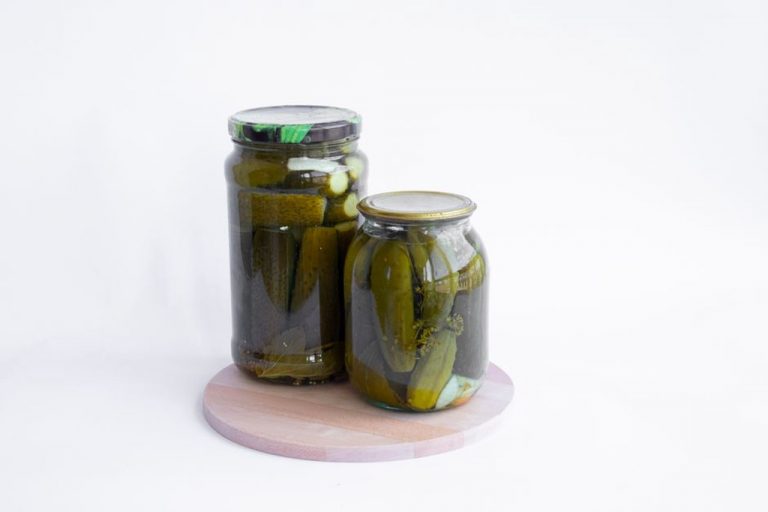
Traditional lacto-fermented vegetables — sauerkraut, kimchi, fermented carrots, or beets — supply live lactic acid bacteria and organic acids that may support a diverse gut microbiome. During an elimination diet, many people remove all fermented foods to rule out histamine reactions. If you have passed a careful reintroduction test for low-histamine fermented vegetables, including a tablespoon of sauerkraut with a meal can provide beneficial microbes without overwhelming the system. Look for brands that list only cabbage, salt, and water (no vinegar or sugar), or make your own. Start with one teaspoon per day and increase slowly, tracking any changes in bloating or stool consistency.
4. Wild-Caught Fatty Fish (Salmon, Mackerel, Sardines)
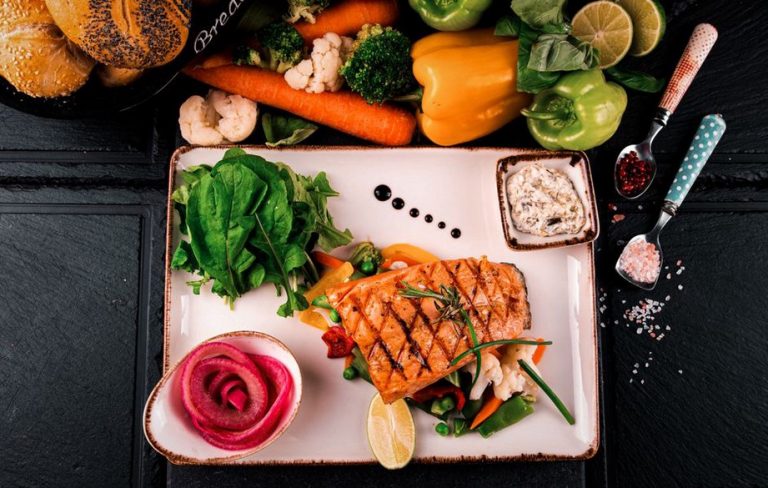
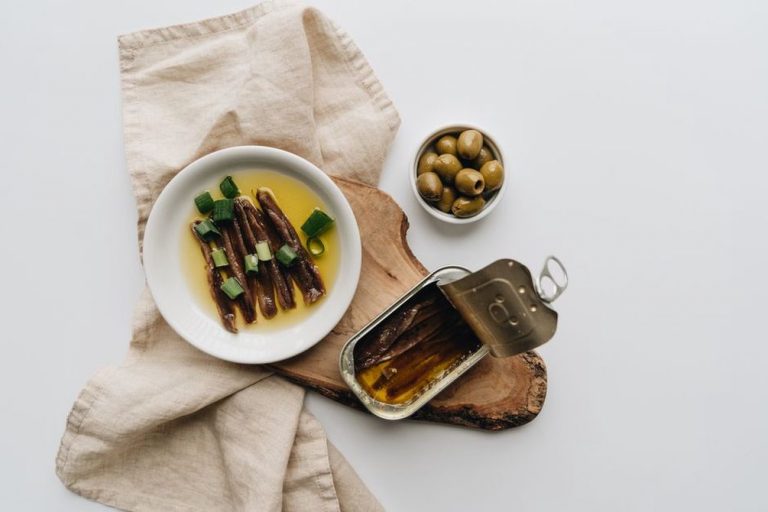
Fatty fish are a primary source of long-chain omega-3 fatty acids EPA and DHA, which have well-documented anti-inflammatory properties. For someone recovering from an elimination diet — especially if the underlying reason involved immune dysregulation or gut inflammation — incorporating omega-3s can help modulate the inflammatory response. Canned sardines packed in water or olive oil are a convenient option; they are also rich in calcium (if the bones are eaten) and vitamin D. Aim for two to three servings per week, but if you are sensitive to histamine, choose freshly frozen or canned fish with minimal processing and consume it soon after opening.
5. Cooked Root Vegetables (Sweet Potato, Parsnip, Carrot)
Many elimination diets restrict grains and legumes, leaving root vegetables as a primary carbohydrate source. During recovery, well-cooked roots provide easily digestible energy in the form of complex carbohydrates and soluble fiber. Sweet potatoes, in particular, are rich in beta-carotene and vitamin C. Cooking methods matter: boiling or roasting until very soft breaks down resistant starch and reduces the potential for gas. If you are reintroducing fiber after a period of low-residue eating, start with a half-cup serving and chew thoroughly. Pairing roots with a source of protein and fat (such as the liver or fish above) helps stabilize blood sugar and prolong satiety.
6. Pasture-Raised Eggs (If Tolerated)
Eggs are a common reintroduction challenge on AIP, but for those who pass the egg reintroduction, they are a powerhouse of nutrition. The yolks contain choline, vitamin D, lutein, and zeaxanthin, while the whites provide high-quality protein with a complete amino acid profile. For recovery, a soft-boiled or poached egg is gentle on the stomach. If you have never tested eggs after elimination, follow a structured reintroduction: eat one egg yolk alone on an empty stomach and wait 72 hours before trying the whole egg. Tracking your symptoms in a food diary — as we discussed in the post What a Single Food Diary Entry (March 27, 2016, ID 1197) Reveals About Meal Spacing and Bloating — can help you distinguish between a true reaction and normal digestive noise.
7. Fresh Herbs and Mild Greens (Basil, Parsley, Butter Lettuce)
After weeks of a limited plant palette, reintroducing greens can be tempting but risky if you have sensitivities to oxalates or salicylates. Mild options like butter lettuce, arugula, and fresh herbs (parsley, basil, cilantro) are generally low in these compounds and add variety without overwhelming the gut. They also provide small amounts of vitamin K, folate, and antioxidants. Use them as a garnish or a small side salad dressed with olive oil and lemon juice (if citrus is reintroduced). Chewing thoroughly or lightly wilting the greens can further reduce any potential irritation.
Practical Tips for Building a Recovery Feed
These seven foods are not a rigid meal plan, but rather a toolkit. You might combine bone broth with shredded chicken and sautéed greens for a simple soup, or roast sweet potatoes alongside a piece of salmon and a side of sauerkraut. The key is to introduce one new food at a time, in small amounts, and to observe how your body responds. Keep a log of what you eat, the portion size, and any symptoms that appear within 24–48 hours. If a food causes noticeable bloating, changes in stool, or skin issues, set it aside and try again in a month — sometimes tolerance builds with time and gut healing.
A final note on timing: spacing meals at least four hours apart allows the migrating motor complex to clear the small intestine between meals, which can reduce fermentation and gas. Eating your largest meal earlier in the day and keeping dinner light may also support overnight digestion. These are not rules, but observations from both traditional practices and modern clinical experience. The recovery phase is not about perfection; it is about learning what your unique system needs to thrive.