After weeks of strict elimination on a paleo or autoimmune protocol (AIP), you're ready to reintroduce foods. But it's a delicate step: you want to expand your diet without losing the gut repair you've achieved. Choosing the right foods first can make a difference. Below are seven ancestral foods that offer high nutrient density, gentle digestibility, and compounds that support mucosal integrity and microbial balance. These are not cure-alls—they are tools to include thoughtfully as you rebuild your diet.
1. Bone Broth
Bone broth is perhaps the most widely recognized recovery food in paleo circles. Simmered from beef, chicken, or fish bones, it provides gelatin, collagen, glycine, and minerals such as calcium, magnesium, and phosphorus. Glycine supports glutathione production and helps repair the intestinal lining. A 2012 study in Clinical Gastroenterology and Hepatology found that glycine reduced intestinal permeability in animal models. For a practical reintroduction, start with ½ cup of warm broth between meals. If you tolerate it well, you can use it as a base for soups or stews. The key is slow simmering (12–24 hours) to extract the gelatin.
2. Liver (Beef or Chicken)
Organ meats are among the most nutrient-dense foods available. Liver is rich in preformed vitamin A (retinol), copper, zinc, B vitamins, and heme iron. Vitamin A is essential for maintaining epithelial barrier function, especially in the gut. A 2015 review in Nutrients emphasized that retinol deficiency impairs tight junction integrity. Because liver is high in copper, limit intake to about 100 g once or twice per week. If you are sensitive to strong flavors, try soaking slices in milk (if dairy is reintroduced) or lemon water before cooking, or blend a small amount into ground meat.
3. Fermented Vegetables (Sauerkraut, Kimchi)
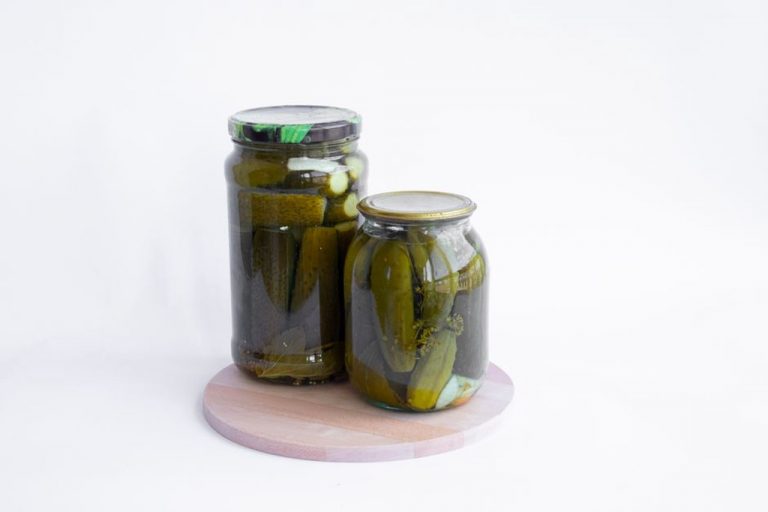
Fermented foods provide live lactic acid bacteria that can support microbial diversity during reintroduction. A 2017 study in Frontiers in Microbiology showed that daily consumption of sauerkraut increased Lactobacillus species in the gut. Start with 1 tablespoon of brine or a small forkful of sauerkraut (no vinegar, no added sugar) and monitor for bloating or histamine reactions. If you tolerate it, gradually increase to 2–3 tablespoons per day. Homemade ferments are best because commercial versions often contain pasteurization or unnecessary additives.
4. Fatty Fish (Salmon, Sardines, Mackerel)
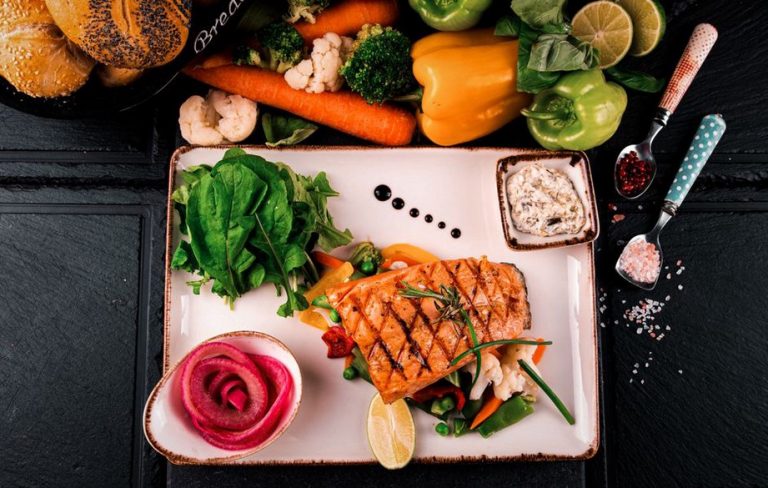
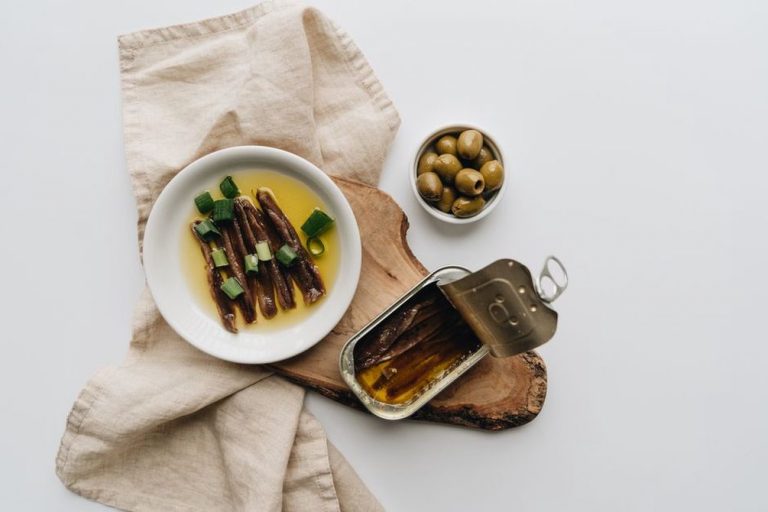
Cold-water fatty fish are the richest dietary source of long-chain omega-3 fatty acids (EPA and DHA). EPA has been shown to reduce inflammation by competing with arachidonic acid pathways. A 2016 meta-analysis in European Journal of Clinical Nutrition found that EPA supplementation reduced inflammatory markers like C-reactive protein. For recovery, aim for 2–3 servings of wild-caught salmon or sardines per week. Canned sardines (in water or olive oil) are a convenient, low-histamine option if you tolerate them.
5. Sweet Potatoes
Sweet potatoes are a staple in many elimination protocols because they provide easily digestible carbohydrates, beta-carotene, vitamin C, and potassium. The resistant starch in cooled sweet potatoes can act as a prebiotic, feeding beneficial bacteria like Bifidobacterium. A 2014 study in Journal of Functional Foods noted that resistant starch from sweet potatoes increased short-chain fatty acid production in vitro. Start with a small portion (½ cup) baked or mashed, and note any bloating. Some individuals with SIBO may react to starches; if so, limit to once or twice a week.
6. Bone Marrow
Bone marrow is rich in collagen, glycine, and conjugated linoleic acid (CLA). It also contains stem cells and growth factors that may support tissue repair, though human evidence is limited. The fat in marrow is mostly monounsaturated, similar to olive oil. Roast beef marrow bones at 230°C (450°F) for 15–20 minutes, then scoop out the soft interior. Spread on a small piece of roasted sweet potato or eat plain. Because marrow is high in fat, introduce it slowly if you have fat malabsorption or gallbladder issues.
7. Collard Greens
Dark leafy greens like collards provide vitamin K1, folate, calcium, and glucosinolates that support phase II liver detoxification. Vitamin K is essential for osteocalcin activation and may help regulate inflammation. A 2015 study in Journal of Nutrition linked higher vitamin K intake with lower markers of oxidative stress. Collards are also low in oxalates compared to spinach, making them a safer choice for those with oxalate sensitivity. Steam or sauté them in coconut oil or broth until tender, and start with ½ cup per meal.
How to Approach Reintroduction with These Foods
Each of these foods can be introduced one at a time, following the principles outlined in the Lessons from Joanna Frankham’s AIP Reintroduction Strategy. The idea is to eat a small serving on day one, then wait three days without adding any new food. Record your energy, digestion, skin, and mood in a food diary. If no symptoms appear, you can consider the food well tolerated and incorporate it into your regular rotation.
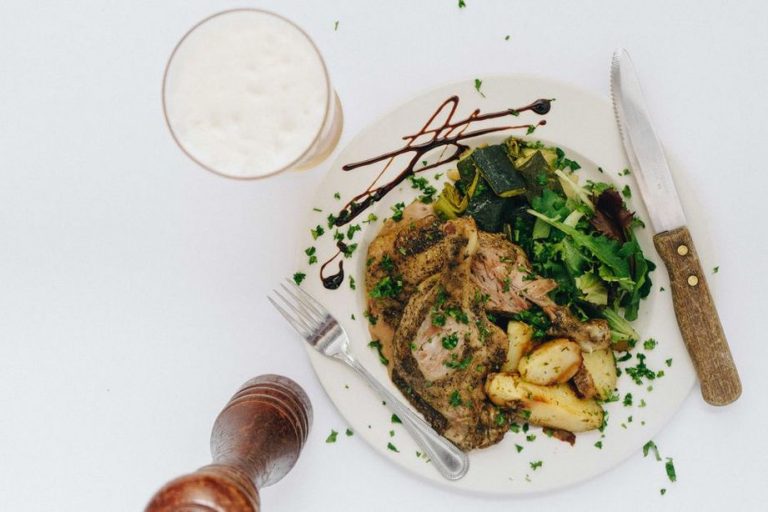
For a practical meal that combines several of these foods, the Pulled Herbed Chicken with Sautéed Mash uses chicken (a lean protein) and sweet potatoes—both gentle on the gut. You can add a side of steamed collard greens and a small cup of bone broth to round out the meal.
Recovery is individual, so pay attention to your own signals. The goal is not to eat all seven foods every day, but to slowly rebuild a varied, nutrient-dense diet that your body can handle. Start your next reintroduction day with a small serving of bone broth, observe how you feel over the next 72 hours, and let that guide your next step. If you tolerate it well, try adding another food from the list, like fermented vegetables or liver.