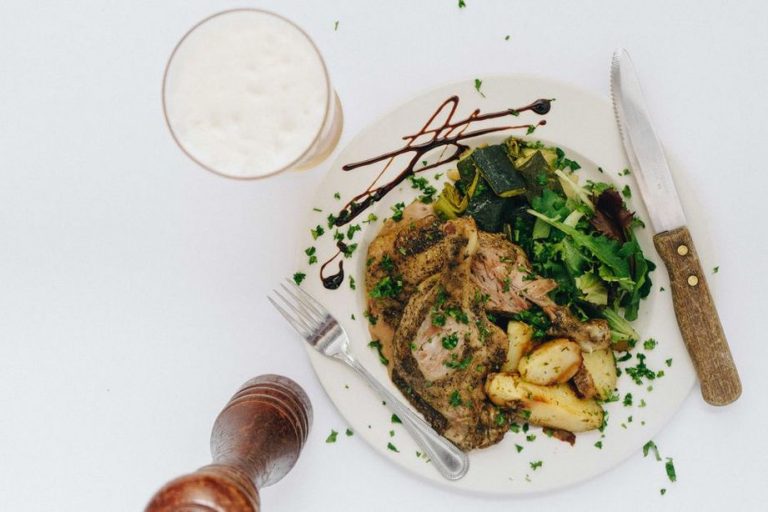
On February 16, 2017, a reader submitted food diary entry #1691 documenting her first attempt to reintroduce tomato sauce after six weeks on the Autoimmune Protocol. The entry is detailed: she recorded a lunch of grilled chicken, roasted zucchini, and two tablespoons of homemade tomato sauce (cooked with oregano and garlic). She noted the time — 12:30 p.m. — and then logged symptoms every 30 minutes for the next four hours. By 2:00 p.m., she reported mild bloating and a sensation of warmth in her hands. By 3:30 p.m., she had a headache rated 4 out of 10. The entry ends with a note: “Felt foggy by dinner. Will try again in two weeks with a smaller portion.”
The Diary Entry in Context
Entry #1691 is a textbook example of a structured reintroduction trial — and it also reveals several common pitfalls. The reader followed the basic AIP reintroduction framework: choose a single new food, eat it in isolation, and monitor symptoms over the next 72 hours. But her choice of tomato sauce (a concentrated source of nightshade alkaloids) and the portion size (two tablespoons) likely contributed to the reaction. Nightshades — tomatoes, potatoes, eggplants, and peppers — contain compounds such as solanine and tomatine that can trigger inflammatory responses in sensitive individuals, even after a successful elimination phase.
This diary entry aligns with what we know about nightshade reintroduction from both clinical experience and the principles outined during the 2016 AIP Coah launch discussions about elimination diets. In that material, the emphasis was on starting with the least concentrated form of a food — for tomatoes, a single slice of raw tomato rather than cooked sauce, which concentrates the alkaloids. Entry #1691 skipped that step.
Nightshade Sensitiity: What We Know
Nightshade sensitiity is not universal, but it is common enough among people with autoimmune conditions that the AIP eliminates them during the initial phase. The mechanism is not fully understood, but it appears to involve glycoalkaloids that can disrupt intestinal permeability and modulate immune cell activity. A 2017 review of dietary triggers in autoimmune disease noted that nightshades are among the most frequently reported reactive foods in patient surveys. However, individual tolerance varies widely — some people can reintroduce cooked tomatoes without issue, while others react even to small amounts of raw peppers.
The reader in entry #1691 demonstrated a moderate reaction: digestive discomfort, peripheral warmth, headache, and brain fog. These are classic signs of a systemic inflammatory response, not a true allergy. Her decision to wait two weeks before a second trial was prudent — the body needs time to clear the offending compounds and return to baseline.
Lessons for Your Own Reintroduction
-
Start with the least concentrated form. For nightshades, that means raw tomato, not sauce; for peppers, raw bell pepper before chili powder.
- Keep the first portion tiny. One tablespoon of sauce or one small slice of tomato is enough to gauge sensitivity without overwhelming the system.
- Log symptoms at fixed intervals. The reader’s 30-minute check-ins caught the early onset of bloating and the delayed headache — a pattern that would be lost with a single evening note.
- Choose a single nightshade food — e.g., one slice of ripe tomato.
- Eat it at a meal where the rest of the plate contains only foods you have already tested and tolerated well.
- Record the exact time, portion, and any accompanying ingredients (the reader’s sauce included garlic — another potential trigger for some).
- Set a timer to check in every 30 minutes for the first four hours, then again at 8, 12, and 24 hours.
- If symptoms appear, note their intensity (use a 1–10 scale) and duration. Then return to a fully elimination diet for at least two weeks before another trial.
- If no symptoms occur, try a slightly larger portion or a more concentrated form (e.g., cooked tomato) after a week.
Note the time of day. The reaction started within 90 minutes, suggesting a direct effect on gut motility and histamine release. This timing can help distinguish food reactions from other variables like stress or sleep.
Allow a full 72-hour window. The reader stopped logging after dinner, but delayed reactions can appear the next morning. A three-day symptom journal is more reliable.
ul>
Practical Tips from This Entry
If you are planning a nightshade reintroduction, consider the following steps based on entry #1691:
Entry #1691 is a record of data, not a pass or fail. The headache and bloating are information. She now knows that her body reacts to cooked tomato sauce at that dose. Her next trial, with a smaller portion of raw tomato, may yield a different result. The key is to keep the journal consistent and give the body enough time to reset between trials. She planned to try again in two weeks with half a slice of raw tomato — that specific next step is what makes this diary entry so useful.