When Jay Vilar sat down for episode 4 of our 2017 series, he started with a story about a single sweet potato. He had just finished a long day of travel, and the only food he truly craved was a roasted sweet potato with a pinch of salt. Not a protein shake, not a complex meal—just a humble tuber. For Vilar, that moment captured the essence of using food as medicine: not as a prescription, but as a deliberate choice that aligns with what your body needs at that precise time. The episode, titled “Food as Medicine and for Purpose,” explored how intention and nutrient density can work together to support health—without turning meals into a clinical regimen.
Vilar, a chef and health coach who has worked extensively with autoimmune and digestive challenges, emphasized that the phrase “food as medicine” is often misunderstood. It does not mean that a meal can replace a doctor’s treatment or cure a chronic condition. Instead, it means choosing foods that provide the raw materials your body uses to repair, regulate, and thrive. On a paleo or AIP framework, that translates to prioritizing vegetables, quality proteins, healthy fats, and fermented foods while avoiding processed ingredients and common irritants. But the “for purpose” part adds another layer: why you eat a particular food matters as much as what you eat.
What “For Purpose” Really Means at the Table
During the conversation, Vilar described a simple exercise he gives clients. Before each meal, pause and ask: “What is the purpose of this food for me right now?” The answer might be energy, satiety, gut healing, or even emotional comfort. The point is not to judge the answer, but to become aware of it. This practice shifts eating from an automatic habit to a conscious act. For someone on an elimination diet, where food choices are already restricted, this awareness can reduce the feeling of deprivation. Instead of thinking “I can’t have bread,” you focus on the purpose of the roasted squash on your plate—its beta-carotene, fiber, and grounding sweetness.
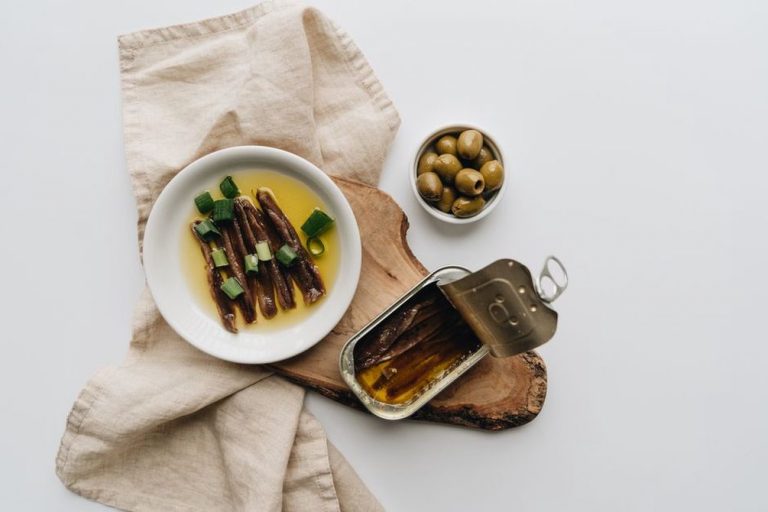
Vilar also noted that purpose can change throughout the day. A breakfast might prioritize stable blood sugar and sustained energy, while a post-workout meal focuses on repair and hydration. The same ingredient—say, a can of sardines—could serve a different purpose depending on the context. This flexibility is especially valuable during reintroduction phases, when you are testing individual foods. Knowing your purpose for each meal helps you observe how a particular food affects your digestion, mood, or sleep without overinterpreting every symptom.
Putting the Philosophy into Practice: Nutrient Density First
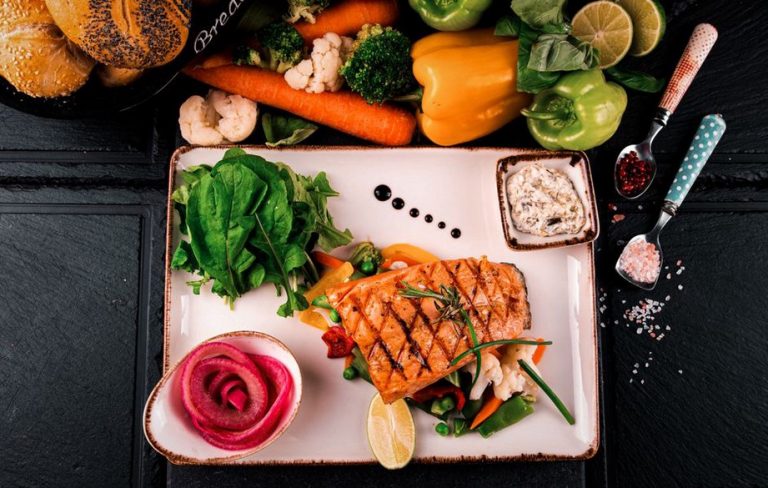
One of the most practical segments of the episode dealt with how to actually build a plate that is both medicinal and purposeful. Vilar suggested a simple template: start with a base of leafy greens or cruciferous vegetables, add a palm-sized portion of protein (preferably from animals raised on pasture or wild-caught fish), include a serving of colorful non-starchy vegetables, and finish with a source of healthy fat such as avocado, olive oil, or coconut. For those who tolerate starches well, a small amount of sweet potato or taro can be added—but only if it serves a purpose for that meal (e.g., fueling a workout or calming the nervous system).
This template aligns closely with the principles of the AIP elimination phase, which removes grains, legumes, dairy, eggs, nuts, seeds, nightshades, and food additives. Vilar stressed that the elimination diet is a diagnostic tool, not a permanent lifestyle. He referenced the importance of a structured reintroduction protocol, similar to the one discussed in a previous post on this blog about what the 2016 AIP Coach Launch taught us about elimination diets. The key is to reintroduce foods one at a time, with clear purpose, and observe the body’s response without fear or rigidity.
The Role of Cooking Methods
Another takeaway from the episode was how cooking methods affect the medicinal quality of food. Vilar pointed out that raw vegetables can be difficult for some people to digest, especially during an elimination diet or when dealing with gut inflammation. Lightly steaming, roasting, or slow-cooking vegetables breaks down fibers and makes nutrients more accessible. He also advocated for using bone broth as a base for soups and stews—not as a cure-all, but as a source of gelatin and glycine that supports the gut lining. The episode included a quick demo of a one-pot meal: chicken thighs simmered with ginger, turmeric, carrots, and kale in bone broth. The purpose: a warming, anti-inflammatory dinner that requires minimal cleanup.
Beyond the Plate: The Purpose of the Eating Environment
Vilar expanded the concept of “for purpose” beyond ingredients to the entire eating environment. He described how eating in a rushed, stressed state can undermine even the most nutrient-dense meal. The nervous system’s fight-or-flight mode reduces blood flow to the digestive organs, leading to bloating, poor absorption, and discomfort. Purposeful eating, then, also means creating a calm setting—sitting down, taking a few deep breaths, chewing thoroughly, and putting away screens. This advice dovetails with the idea that stress management is a cornerstone of digestive health, a topic we explored in an earlier post about spending time in nature for better digestion and gut health.
For those who struggle with bloating or food sensitivities, Vilar suggested a simple ritual: before the first bite, take three slow breaths and express a silent intention for the meal. This is not mystical; it is a physiological cue to shift the body into a parasympathetic state. Over time, this practice can help reduce meal-related anxiety and improve the digestive experience.
Common Pitfalls When Using Food as Medicine
The episode also addressed several mistakes people make when they adopt a “food as medicine” mindset. The first is expecting rapid, dramatic results. Vilar emphasized that healing takes time—weeks or months—and that consistency matters more than perfection. The second pitfall is becoming overly rigid, avoiding entire food groups out of fear. He reminded listeners that the goal is not to create a list of forbidden foods, but to learn which foods support your unique body. The third mistake is ignoring the social and emotional aspects of eating. Sharing a meal with loved ones, even if the food is not perfectly paleo, can be more nourishing than eating a technically “clean” meal in isolation.
Practical Takeaways for Your Kitchen This Week
- Start with one meal a day where you consciously ask “What is the purpose of this food for me?” Write it down in a food and symptom diary to track patterns.
- Simplify your cooking using the template: greens + protein + color + fat. Avoid complex recipes that require many ingredients—simplicity supports both digestion and adherence.
- Experiment with different cooking methods for the same vegetable. For example, try raw carrots one day, roasted the next, and see how your digestion responds.
- Create a 5-minute pre-meal ritual that includes deep breathing or a brief moment of gratitude. This is not about spirituality; it is about shifting your nervous system into a rest-and-digest state.
- If you are on an elimination diet, use the purpose framework during reintroductions. When you test a food, ask: “What am I hoping this food will add to my diet?” and then observe the actual effects.
The Bigger Picture: Food as a Tool, Not a Religion
Near the end of the episode, Vilar offered a perspective that resonated deeply with the blog’s mission. He said that food can be a powerful tool for health, but it is not the only tool. Sleep, stress management, movement, and social connection all play equally important roles. The danger of the “food as medicine” slogan is that it can make people feel that if they just eat perfectly, they will be healthy—and if they are not, it is their fault. That is neither accurate nor helpful. Instead, Vilar encouraged listeners to view food as one part of a larger, compassionate practice of self-care.
For readers who are currently navigating an elimination diet or dealing with digestive sensitivities, the episode offers a gentle reminder: you are not looking for a perfect diet. You are looking for a way of eating that supports your body’s needs and aligns with your values. The next time you sit down to a plate of roasted vegetables and a piece of wild salmon, take a moment to consider the purpose that meal serves. Maybe it is simply to nourish you so you can show up for the rest of your day. That is enough.