
Before refrigeration, every culture had a method of lacto-fermentation. Sauerkraut on German tables, kimchi in Korean homes, fermented fish sauces across Southeast Asia, and sourdough in the Middle East. Yet when many people transition to a paleo diet, they strip out processed foods and often lose these traditional ferments along with them. The result? A diet that is clean but missing a key element that supported human digestion for millennia.
Fermentation predates modern food processing by thousands of years. It’s a biological bridge between raw ingredients and a gut that thrives on microbial diversity. For anyone following a paleo, autoimmune protocol, or elimination diet, understanding how to use ferments wisely can make the difference between a diet that feels restrictive and one that feels nourishing.
What Fermentation Does to Food
Fermentation is a controlled microbial process. Lactic acid bacteria — Lactobacillus, Leuconostoc, and Pediococcus — break down sugars and produce organic acids, carbon dioxide, and sometimes alcohol. This environment preserves the food and transforms its nutritional profile.
- Enzymes are activated. Raw ferments contain live enzymes that can help break down proteins, fats, and carbohydrates before they reach your small intestine.
- Vitamins increase. Fermentation can boost levels of vitamin C, B vitamins (especially folate, riboflavin, and B12 in some ferments), and vitamin K2 (menaquinone) — a nutrient often lacking in modern diets.
- Antinutrients are reduced. Phytic acid and lectins in vegetables and legumes (though legumes are not paleo) are partially broken down during fermentation, making minerals more bioavailable.
- Probiotics are introduced. Live bacteria from the ferment colonize the gut temporarily, supporting the existing microbiome and competing with pathogens.
Why Fermented Foods Belong in a Paleo Framework
Paleo diets emphasize whole, unprocessed foods. Fermented vegetables, coconut yogurt (dairy-free), water kefir, and kombucha fit this category — provided they are made without refined sugars, grains, or artificial additives. They add flavor, texture, and a sour tang that can replace vinegar or citrus in dressings and sides.
For those on an autoimmune protocol (AIP), fermented foods need a careful approach. Many AIP reintroduction phases start with fermented vegetables because they are generally well tolerated. However, commercial ferments often contain garlic, onion, or spices that are eliminated during the elimination phase. Making your own allows full control over ingredients.
If you are exploring the connection between diet and gut health beyond food alone, you may find that fermented foods work best when combined with other lifestyle factors. The 3 Pillars of Healing: A Paleo Framework for Digestive Comfort discusses how sleep, stress, and movement interact with what you eat — and why adding a tablespoon of sauerkraut won’t compensate for chronic sleep deprivation.
Not All Ferments Are Created Equal
The term “fermented” on a label does not guarantee probiotic benefit. Many store-bought sauerkrauts are pasteurized — heated to kill bacteria for shelf stability. The result is a dead product that still tastes sour but offers no live cultures. Always look for “raw,” “unpasteurized,” or “live” on the label. Refrigerated sections are more likely to contain active ferments.
Dairy ferments like yogurt and kefir can be excellent sources of probiotics, but they are not suitable for everyone. People with casein sensitivity, lactose intolerance, or those following a strict AIP should avoid dairy. Coconut milk kefir and water kefir are dairy-free alternatives that still provide lactic acid bacteria.

Practical Cautions: Histamine, FODMAPs, and Individual Tolerance
Fermented foods are not universally beneficial. Three common issues can arise:
Histamine Intolerance
Fermentation increases histamine and other biogenic amines. For individuals with low diamine oxidase (DAO) activity — the enzyme that breaks down histamine — fermented foods can trigger headaches, flushing, nasal congestion, or digestive upset. If you notice these symptoms after eating sauerkraut or kimchi, try a small amount of a short-ferment vegetable (like 24-hour fermented carrots) or avoid ferments temporarily.
FODMAP Sensitivity
Many popular ferments use high-FODMAP ingredients. Garlic and onion are standard in kimchi and some sauerkrauts. Even cabbage itself can be problematic in large amounts for people with IBS or SIBO. A low-FODMAP ferment option is simple salt-brine fermented carrots or green beans without added alliums.
Overgrowth Concerns
If you have small intestinal bacterial overgrowth (SIBO), introducing large amounts of live bacteria can worsen bloating and gas. The bacteria from ferments may colonize the small intestine if transit is slow. For a realistic timeline on managing SIBO, see What to Expect When Treating SIBO: A Realistic Timeline — it covers why food reintroductions need to be paced.
How to Start Adding Fermented Foods
- Choose one ferment at a time. Begin with raw sauerkraut (cabbage and salt only) or fermented carrots. Avoid blends with multiple ingredients until you know your tolerance.
- Start with a teaspoon. Even that small amount delivers millions of bacteria. Increase to a tablespoon after a few days if no symptoms appear.
- Eat them with a meal. The acidity and enzymes can aid digestion when consumed alongside proteins and fats. Avoid eating fermented foods on an empty stomach if you have a sensitive gut.
- Rotate varieties. Different ferments provide different bacterial strains. Rotate between sauerkraut, fermented beets, coconut yogurt, and water kefir to support microbial diversity.
- Watch for histamine reactions. If you develop a runny nose, itchy skin, or headache within an hour of eating, note the amount and the ferment. A food and symptom diary helps identify patterns.
Homemade vs. Store-Bought: What Matters Most
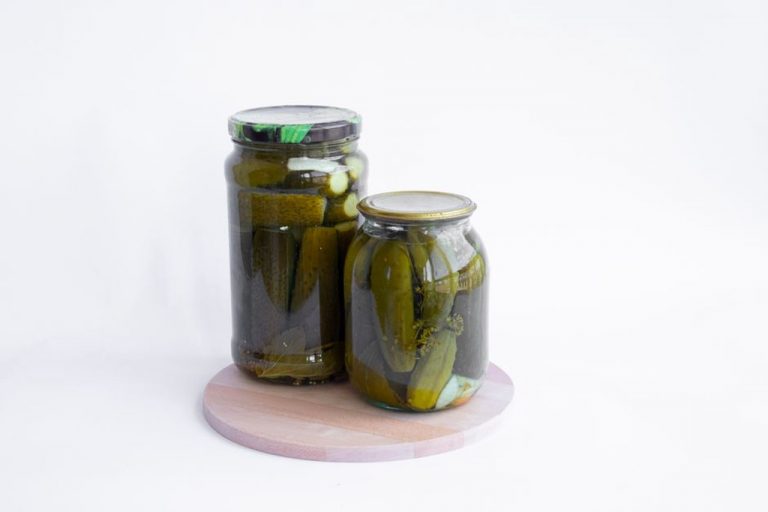
Homemade ferments are cost-effective and allow you to control salt level, fermentation time, and ingredients. A simple sauerkraut requires only cabbage, salt, and a jar. Fermentation time of 1–3 weeks at room temperature produces a tangy, crunchy result. Refrigerate to slow fermentation.
If you buy fermented foods, check the ingredient list. Avoid products with added sugar, vinegar (which indicates quick pickling rather than fermentation), or preservatives. Look for “live cultures” or “raw” on the front label. Brands like Bubbies, Farmhouse Culture, and Wildbrine are widely available in the US, but availability varies internationally.
Fermented Foods in the Context of Nutrient Density
Paleo and elimination diets often emphasize nutrient-dense organ meats, seafood, and vegetables. Fermented foods complement these by providing probiotics and vitamins that are otherwise hard to obtain. For example, vitamin K2, which supports bone and cardiovascular health, is found in high amounts in natto (fermented soybeans) and certain cheeses — but for dairy-free paleo, small amounts of fermented vegetables contribute a modest amount. More importantly, the live bacteria in ferments help your own gut bacteria produce short-chain fatty acids like butyrate, which feeds colon cells and reduces inflammation.
If you are already eating a diverse range of plant foods, adding fermented vegetables can further increase the variety of polyphenols and fibers that reach your colon. The hidden plant diversity gap in many modern paleo diets is real — ferments are one way to close it without adding grains or legumes.
This week, try adding one tablespoon of raw sauerkraut to your lunch and note any changes in your digestion over the next few days. If it sits well, consider making a small batch of fermented carrots or beets. Over time, you will learn which ferments your gut welcomes and which ones to skip — that personal data is more valuable than any general advice.