
In August 2015, a comment thread on a paleo blog post about fermented foods turned into an unexpectedly rich discussion. Dozens of readers shared their experiences with homemade sauerkraut, kombucha, and kefir—some celebrating dramatic improvements in digestion, others reporting bloating, brain fog, or skin reactions. One commenter noted that after three weeks of daily raw kimchi, her seasonal allergies vanished. Another wrote that a single teaspoon of water kefir triggered a flare of joint pain that lasted two days. The thread revealed a crucial truth: fermented foods are powerful, but their effects are highly individual, especially for those following paleo or autoimmune protocols.
This article revisits that 2015 conversation to distill what we now understand about the mechanisms behind fermented foods, how to introduce them safely, and why they remain a cornerstone—and sometimes a stumbling block—in gut-healing diets.
Why Fermented Foods Matter for a Paleo Gut
From an evolutionary perspective, our ancestors consumed fermented foods daily. Before refrigeration, fermentation was a primary method of preservation. Lacto-fermented vegetables, wild-cultured dairy (in regions where animal milk was consumed), and fermented fish or meats supplied live microbes and organic acids that supported digestion. The 2014 post Why Your Gut Still Expects a Hunter-Gatherer Diet explains that our microbiome evolved in close contact with environmental microbes from soil, water, and naturally fermented foods. Modern sanitation and refrigeration have drastically reduced this microbial exposure, which may contribute to the rise of inflammatory conditions.
Fermented foods reintroduce beneficial bacteria—primarily Lactobacillus and Bifidobacterium species—along with prebiotic fibers and postbiotic metabolites like short-chain fatty acids (SCFAs). Butyrate, a key SCFA produced during fermentation of dietary fibers, fuels colon cells and supports the intestinal barrier. The 2015 commenters who reported reduced bloating and more regular bowel movements were likely experiencing improvements in gut barrier function and microbial diversity.
The Histamine Problem: Why Some People React
Not all responses in the thread were positive. Several readers described intense bloating, headaches, or rashes after eating fermented vegetables. One woman wrote that even a forkful of sauerkraut left her with a “hot face” and palpitations. These symptoms point to histamine intolerance—a condition where the body cannot efficiently break down dietary histamine due to low diamine oxidase (DAO) enzyme activity.
Fermentation increases the histamine content of foods, especially in aged products like kimchi, aged cheese, sauerkraut, and kombucha. For individuals with compromised gut lining, leaky gut, or genetic DAO variants, histamine-rich foods can trigger inflammation rather than healing. This was a recurring theme in the 2015 discussion, and it aligns with what we now know about mast cell activation and food sensitivities.
If you experience adverse reactions to fermented foods, consider starting with very small amounts—one teaspoon of sauerkraut juice, for instance—and tracking symptoms. Some people tolerate short-fermented vegetables (2–3 days) better than long-fermented ones (weeks). Others do better with non-histamine-producing strains such as Lactobacillus plantarum or Bifidobacterium infantis. The Why Bone Broth Makes You Bloat (and How to Still Enjoy It) post covers similar histamine-related issues with bone broth and offers strategies that also apply to fermented foods.
Choosing the Right Fermented Foods for Your Protocol
Not all fermented foods fit a strict paleo or autoimmune protocol (AIP). Commercial products often contain added sugar, vinegar (which is not fermented in the traditional sense), or stabilizers. The 2015 commenters emphasized making their own ferments, which allows control over ingredients and fermentation time. Here are practical guidelines:
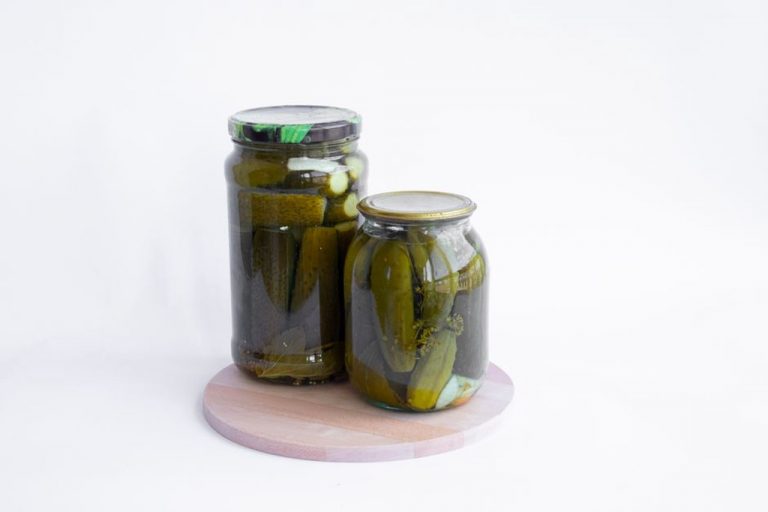
- Vegetable ferments: Cabbage, carrots, beets, and garlic are AIP-compliant. Avoid nightshades (tomatoes, peppers) during elimination phases. Use only salt and water—no starter cultures needed for lacto-fermentation.
- Dairy ferments: Traditional kefir and yogurt are not paleo, but coconut milk kefir or water kefir (made with sugar, then fermented until sugar is consumed) can be options. Note that water kefir still contains trace sugars; some AIP purists avoid it.
- Kombucha: Made from tea and sugar. After fermentation, most sugar is converted to organic acids, but histamine levels can be high. Start with 30 ml and observe.
- Fermented fish or meat: Traditional preparations like garum or lacto-fermented fish sauce are potent and can be used as condiments. They are very high in histamine and should be avoided by sensitive individuals.
How to Introduce Fermented Foods Safely
The 2015 comment thread taught us that “more is not better” when it comes to live microbes. A gradual approach reduces the risk of die-off reactions (Herxheimer-like symptoms) and histamine overload. Here is a step-by-step plan that emerged from reader experiences:
- Start with brine only: Drink 1 tablespoon of sauerkraut brine (strained) once daily for 3–5 days. Monitor stool consistency, energy, and skin.
- Add a small piece of vegetable: After a week, eat one forkful of the fermented vegetable itself, not just the brine. Continue for another week.
- Increase slowly: Gradually work up to 2–3 tablespoons per day. If symptoms appear, drop back to the previous tolerated dose and stay there for two weeks before trying again.
- Rotate ferments: Different vegetables and fermentation times yield different microbial profiles. Rotating between cabbage, carrot, and beet ferments may support a more diverse microbiome.
Keep a symptom diary during this process. Note not only digestive changes but also mood, joint pain, and sleep quality. The 2015 thread had several accounts of improved mental clarity after two weeks of low-dose ferments—but also reports of anxiety in those who consumed large amounts.

Fermentation and the Microbiome: What the Science Says
Since 2015, research on fermented foods has expanded dramatically. A 2021 randomized controlled trial published in Cell showed that a diet rich in fermented foods increased microbiome diversity and reduced markers of inflammation over 10 weeks. The effect was stronger than a high-fiber diet alone. However, the study excluded individuals with known histamine intolerance or mast cell disorders, so results do not apply to everyone.
Another important finding: live microbes from fermented foods do not permanently colonize the gut in most people. They pass through, but during that transit they interact with the immune system and resident bacteria, producing short-term benefits. Regular consumption is needed to maintain those effects. The 2015 commenters who stopped ferments for a week reported a return of bloating and irregularity—consistent with transient colonization.
When Fermented Foods Are Not the Answer
For individuals with small intestinal bacterial overgrowth (SIBO), histamine intolerance, or severe dysbiosis, fermented foods can worsen symptoms. In the 2015 thread, several readers with diagnosed SIBO noted that even tiny amounts of fermented vegetables caused immediate distension and pain. This makes sense: SIBO involves an overgrowth of bacteria in the small intestine, and adding more live microbes—even “good” ones—can feed the overgrowth.
If you have SIBO or suspect it, work with a healthcare provider before adding ferments. Some practitioners recommend a low-fermentation diet (low in soluble fiber and fermented foods) during SIBO treatment, then reintroducing ferments after the small intestine is cleared. The article Treating SIBO: What to Feed Your Gut During and After Therapy provides a detailed protocol that includes a phased approach to reintroducing fermented foods.
Practical Tips from the 2015 Thread That Still Hold Up
- Use non-iodized salt: Iodine can inhibit fermentation. Sea salt or pickling salt works best.
- Keep ferments below 75°F (24°C): Higher temperatures speed fermentation but also increase histamine production. A cool basement or refrigerator after initial fermentation slows histamine buildup.
- Add a source of tannins: A grape leaf, horseradish leaf, or a pinch of black tea (if not AIP) helps keep ferments crunchy and reduces mold risk.
- Don’t fear the scum: A white film (kahm yeast) on the surface is harmless—skim it off. Mold (fuzzy, green, black) means discard the batch.
- Listen to your body: If a particular ferment consistently causes discomfort, stop it. Not every strain of bacteria suits every gut.
The 2015 comment thread was a microcosm of the larger conversation about fermented foods in the paleo community. It reminded us that food is not medicine in a one-size-fits-all sense—it is information, and each person’s gut interprets that information differently. By starting small, tracking reactions, and respecting individual limits, fermented foods can become a valuable tool for digestive comfort and microbial diversity. But they are never a quick fix, and they deserve the same careful introduction as any other potent food in a healing protocol.