
Standard SIBO treatments—low-FODMAP diets, herbal antimicrobials, or rifaximin—fail to produce lasting relief in roughly 30–40% of cases. These are the cases labeled “recalcitrant.” The bacteria aren’t necessarily the problem; the gut environment that allows them to thrive is. This article focuses on the underlying factors that often keep SIBO in place and offers practical, evidence-informed strategies to address them. It is not a treatment protocol; it is a framework for understanding why SIBO persists and what you can discuss with your healthcare provider.
What Makes SIBO Recalcitrant?
Recalcitrant SIBO is not simply a matter of “bad bacteria” that refuse to die. In most stubborn cases, the gut environment itself is predisposed to bacterial overgrowth. Three key mechanisms are frequently involved:
- Impaired motility: The migrating motor complex (MMC) is the wave-like pattern of smooth muscle contractions that sweeps debris and bacteria out of the small intestine between meals. When MMC function is sluggish—due to hypothyroidism, diabetes, adhesions from surgery, or certain medications—bacteria have more time to proliferate.
- Structural or anatomical factors: Prior abdominal surgery, adhesions, strictures, or conditions like Crohn’s disease can create physical pockets where bacteria accumulate and evade clearance.
- Immune dysfunction: Secretory IgA (sIgA) deficiency or low levels of antimicrobial peptides in the small intestine can reduce the body’s ability to keep bacterial populations in check.
Addressing these root causes is often more important than chasing the specific bacterial species involved. A stool test or breath test can tell you that bacteria are present, but it rarely tells you why they are thriving.
Dietary Approaches That Support, Not Starve
Many people with recalcitrant SIBO have tried restrictive diets—low-FODMAP, SCD, paleo, or AIP—sometimes for months. While these diets can reduce symptoms temporarily, they rarely eliminate SIBO on their own. In fact, prolonged severe restriction can lead to nutrient deficiencies, reduced microbial diversity, and lower sIgA levels, all of which can worsen the underlying vulnerability to overgrowth.
A more sustainable approach is to use diet as a supportive tool rather than a primary treatment. For example:
- Focus on nutrient density: Prioritize easily digestible proteins (well-cooked meats, bone broth, egg yolks), cooked vegetables low in insoluble fiber (zucchini, carrots, spinach), and anti-inflammatory fats (olive oil, coconut oil, avocado). Avoid raw vegetables, large amounts of nuts and seeds, and excessive fiber supplements unless specifically tolerated.
- Space meals properly: The MMC is most active when the stomach is empty—typically 3–4 hours after a meal. Snacking between meals disrupts this cleaning wave. Aim for three meals per day with no snacks, and allow at least a 12-hour overnight fast.
- Consider a trial of the biphasic diet: Some clinicians recommend a short-term (2–4 week) phase that combines low-fermentation carbohydrates with moderate fat and protein, followed by a less restrictive maintenance phase. This is not a long-term eating pattern, but it may help break the cycle of bloating and discomfort while you address motility and immune function.
If you are currently following a paleo or AIP elimination diet and feel stuck, the article The Hidden Beliefs That Keep You Stuck on Paleo or AIP explores the mindset shifts that can help you move forward without abandoning the framework entirely.
Motility: The Overlooked Foundation
In my experience reading the research and working with my own gut health, motility is the single most underappreciated factor in recalcitrant SIBO. Even if you eliminate the current bacterial overgrowth, if the MMC is not functioning properly, the bacteria will return—often within weeks.
What supports motility? Several lifestyle and dietary factors have evidence behind them:
- Ginger and artichoke leaf extract: These botanicals have been studied for their prokinetic effects—meaning they stimulate the MMC. They are available as supplements, but always discuss dosing and timing with a practitioner. Prokinetics are typically taken at bedtime, on an empty stomach, to mimic the fasting state.
- Low-dose erythromycin or low-dose naltrexone (LDN): These are prescription options that some gastroenterologists use for gastroparesis or small bowel dysmotility. They are not appropriate for everyone and require medical supervision.
- Physical activity: Moderate exercise, especially walking after meals, can enhance gut motility. High-intensity exercise may temporarily reduce blood flow to the gut, so gentle movement is preferable.
- Thyroid optimization: Even subclinical hypothyroidism can slow MMC activity. If you have symptoms of low thyroid (cold intolerance, constipation, fatigue, hair thinning), ask your doctor for a full thyroid panel including TSH, free T4, free T3, and thyroid antibodies.
Biofilm: When Bacteria Hide
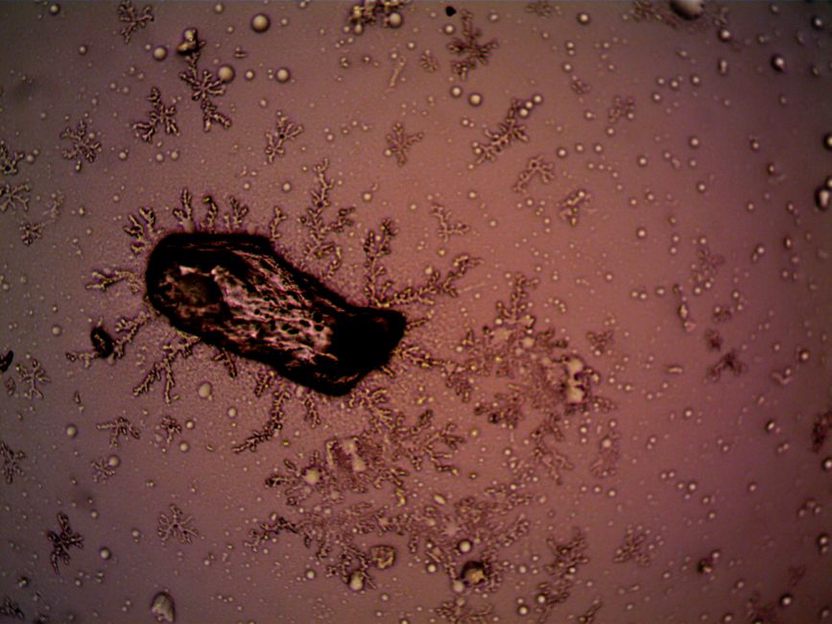
Bacteria in the small intestine can form biofilms—slimy, protective matrices that shield them from antimicrobials and the immune system. Biofilm formation is a common reason why a course of rifaximin or herbal antimicrobials works temporarily but fails to eradicate the overgrowth completely.
If you suspect biofilm involvement (for example, if symptoms improve during treatment but return quickly after stopping), some practitioners recommend biofilm-disrupting agents such as N-acetylcysteine (NAC), bismuth, or specific enzyme blends. These are taken alongside—or before—antimicrobial treatment. Again, this is something to discuss with a clinician who understands SIBO. Self-treating with biofilm busters can sometimes worsen symptoms if the underlying dysbiosis is complex.
The Role of the Microbiome Beyond SIBO
Recalcitrant SIBO often coexists with other gut imbalances: hydrogen sulfide overgrowth, intestinal methanogen overgrowth (IMO), or large intestinal dysbiosis. A standard lactulose breath test measures hydrogen and methane, but it does not detect hydrogen sulfide directly. If you have symptoms like sulfur-smelling gas, diarrhea with urgency, or a sensation of “burning” in the gut, hydrogen sulfide may be involved. Some labs now offer a three-gas breath test that includes hydrogen sulfide measurement.
Additionally, the large intestinal microbiome influences SIBO through the ileocecal valve—the one-way door between the small and large intestine. If the valve is incompetent (leaky), bacteria from the colon can reflux into the small intestine, reseeding the overgrowth. Factors that support valve function include adequate hydration, avoiding excessive straining during bowel movements, and addressing any chronic constipation or diarrhea.
Practical Steps for the Stubborn Case
If you have been through multiple rounds of treatment without lasting relief, consider the following checklist to discuss with your healthcare provider:
- Re-test before treating: Breath tests can change over time. A new test may show a different gas pattern than your original test, which changes the treatment target.
- Evaluate motility with a gastric emptying study or smart capsule: These are not routine, but if you have significant bloating, nausea, or constipation, a motility assessment can guide prokinetic therapy.
- Check for hypothyroidism, vitamin D deficiency, and iron deficiency: All three are associated with impaired gut immunity and motility.
- Consider a trial of a prokinetic agent for 3–6 months after antimicrobial treatment: This is the standard of care in many SIBO clinics to prevent relapse.
- Keep a detailed symptom and food diary: Patterns often emerge over weeks that are invisible day-to-day. The article How to Keep Your Sanity During AIP Reintroduction: A Mindset Guide offers a framework for tracking that applies equally to SIBO management.
When to Step Back and Reassess
Sometimes the most productive step is to stop treating SIBO directly for a period and focus on overall gut health. This is not giving up—it is recognizing that the gut is a complex ecosystem, and hammering it with repeated antimicrobials can cause collateral damage. A “gut reset” period of 4–8 weeks might include:
- A whole-foods paleo template with low-fermentation vegetables
- Gentle motility support (ginger tea, walking, meal spacing)
- Stress management (vagal nerve stimulation through deep breathing, singing, or cold exposure)
- Adequate sleep and circadian rhythm alignment
During this time, you are not ignoring SIBO—you are building the foundation that will make future treatment more effective. Many people find that after a reset, they need only a short course of antimicrobials, or none at all, because the body’s own clearing mechanisms have been restored.
If you’ve been cycling through treatments without progress, start by asking your doctor for a full thyroid panel and a gastric emptying study. Those two tests alone often reveal the missing piece.