
The Paleo Autoimmune Protocol (AIP) is often described as a stricter version of a standard Paleo diet, but that description undersells its purpose. AIP is a targeted elimination and reintroduction framework designed to reduce inflammation, support gut barrier function, and identify specific food sensitivities in people with autoimmune conditions or chronic digestive distress. Unlike a generic elimination diet, AIP removes not only grains, legumes, and dairy, but also a broader set of foods that research and clinical experience suggest may trigger immune activation in sensitive individuals.
The core hypothesis behind AIP is that certain foods can increase intestinal permeability (often called “leaky gut”) in genetically predisposed people, allowing partially digested proteins and bacterial fragments to enter the bloodstream and provoke an immune response. By removing these foods for a period and then systematically reintroducing them, you can discover which items your body tolerates and which ones correlate with symptoms like bloating, joint pain, skin flares, or fatigue. This article walks through the practical steps of starting AIP, what to eat and avoid, how long the elimination phase typically lasts, and what to do when the diet alone doesn't resolve your symptoms.
What Makes AIP Different from Standard Paleo
Standard Paleo eliminates grains, legumes, dairy, refined sugar, and processed vegetable oils. AIP goes further by also removing eggs, nuts, seeds, nightshade vegetables (tomatoes, peppers, eggplants, potatoes), coffee, alcohol, chocolate, and food additives like gums and emulsifiers. The rationale is that these foods contain compounds—such as lectins, saponins, alkaloids, and certain proteins—that may act as immune triggers or disrupt gut barrier integrity in susceptible individuals.
For example, nightshades contain alkaloids like solanine and tomatine, which can aggravate joint pain in some people with autoimmune arthritis. Nuts and seeds are high in omega-6 fatty acids and contain phytic acid and lectins that may irritate the gut lining when consumed in large amounts during a healing phase. Eggs, particularly the whites, contain proteins like lysozyme and avidin that can cross-react with antibodies in certain autoimmune conditions. AIP temporarily removes all of these to give the immune system a break and allow the gut lining to repair.
What You Actually Eat on AIP
The elimination phase of AIP is nutrient-dense by design. The allowed foods list includes:
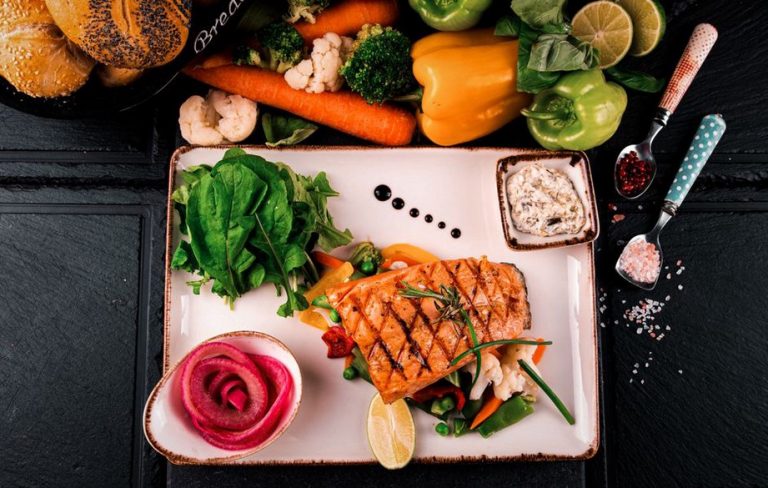
- Vegetables: All vegetables except nightshades. Leafy greens, cruciferous vegetables (broccoli, cauliflower, cabbage), root vegetables (carrots, beets, sweet potatoes, parsnips), and sea vegetables are encouraged.
- High-quality meats and fish: Grass-fed beef, lamb, bison, pasture-raised poultry, wild-caught fish, and organ meats (liver, heart, kidney) are staples. Organ meats are particularly rich in vitamins A, D, K2, zinc, and copper—nutrients that support immune regulation and tissue repair.
- Fruits: Fresh or frozen fruits, especially berries (low in sugar, high in antioxidants), but also citrus, apples, pears, and tropical fruits in moderation.
- Healthy fats: Olive oil, avocado oil, coconut oil, animal fats (tallow, lard, duck fat), and avocado. No seed oils, margarine, or processed spreads.
- Fermented foods: Sauerkraut, kimchi, coconut yogurt (unsweetened), kombucha, and water kefir—these provide beneficial microbes and organic acids that support digestive function.
- Bone broth: Rich in collagen, gelatin, glycine, and minerals that support gut lining integrity.
A typical AIP plate looks like this: a palm-sized portion of protein (say, grass-fed beef liver pâté on the side), two to three cups of cooked or raw vegetables, a serving of starchy root vegetables like sweet potato or taro, and a generous drizzle of olive oil or a spoonful of avocado.
How Long Should the Elimination Phase Last?
Most clinicians and experienced AIP coaches recommend a minimum of 30 days of strict elimination, but the sweet spot for many people is 60 to 90 days. The reason is that gut barrier repair and immune system downregulation take time. If you remove trigger foods for only three weeks, you might not see full resolution of symptoms because inflammation and tissue healing lag behind dietary changes. A longer elimination phase also gives you a clearer baseline for reintroductions—you want to be as symptom-free as possible before you start testing foods.
That said, AIP is not a forever diet. The goal is to expand your diet as much as possible while maintaining symptom control. Many people find they can reintroduce eggs, nuts, and some nightshades after their elimination phase, though they may need to avoid certain triggers long-term. The process of reintroduction is where the real learning happens.
The Reintroduction Phase: How to Test Foods Safely
Reintroductions should be done one food at a time, with at least three days between tests. For each food, you start with a small amount (for example, one egg) and then wait 15 to 30 minutes to see if an immediate reaction occurs. If nothing happens, you eat a normal portion later in the day. Then you monitor for symptoms over the next 72 hours—bloating, gas, changes in stool, joint pain, skin breakouts, mood changes, or fatigue.
If you have no reaction, the food is likely safe to include in your regular diet. If you notice symptoms, you can try again in three to six months, as gut healing continues. Some foods may never be well tolerated, and that is okay. The point is to know your personal limits, not to force yourself to eat everything.

For a deeper look at the psychological side of this process, see our earlier post How to Keep Your Sanity During AIP Reintroduction: A Mindset Guide, which covers strategies for staying calm when reintroductions provoke anxiety or disappointment.
Common Pitfalls and How to Avoid Them
One of the most frequent mistakes people make on AIP is not eating enough. The allowed foods are nutrient-dense but also lower in calories than the standard Western diet. If you are accustomed to eating large portions of grains, nuts, and dairy, switching to vegetables and meat can leave you underfed. Symptoms of undereating—fatigue, irritability, poor sleep, and cravings—can easily be mistaken for “AIP not working.” The fix is simple: increase portion sizes of starchy vegetables and healthy fats. Add an extra sweet potato to dinner, cook your greens in coconut oil, or have a bowl of bone broth with gelatin as a snack.
Another pitfall is relying too heavily on AIP-compliant packaged foods. While there are many paleo-friendly snacks and condiments on the market, some contain additives like cassava flour, coconut aminos, and fruit syrups that can still irritate a sensitive gut. The elimination phase is a good time to reset your palate and cook whole foods from scratch. Your gut will thank you.
A third issue is overlooking lifestyle factors. Sleep, stress, and movement are not separate from diet—they directly influence gut permeability and immune function. If you are eating perfectly but sleeping six hours a night and working a high-stress job, you may still experience symptoms. AIP works best when paired with consistent sleep routines, gentle daily movement (walking, yoga, stretching), and stress management practices like meditation or breathwork.
When AIP Alone Isn't Enough: Troubleshooting Bloating and Digestive Discomfort
Some people follow AIP strictly for 60 days and still experience bloating, gas, or irregular bowel movements. This does not mean AIP is ineffective; it often means there is another layer to address. Common culprits include:
- High-FODMAP vegetables: Onions, garlic, cauliflower, broccoli, cabbage, and mushrooms are allowed on AIP but are rich in fermentable carbohydrates that can cause gas in people with bacterial overgrowth or IBS. If bloating persists, you might try a low-FODMAP AIP approach for a few weeks.
- Histamine intolerance: Fermented foods, bone broth, and leftovers can be high in histamine. If you experience flushing, hives, headaches, or nasal congestion after eating these foods, histamine may be an issue.
- Oxalate sensitivity: Sweet potatoes, spinach, Swiss chard, beets, and almonds (though almonds are eliminated on AIP) are high in oxalates. Some people with gut issues have trouble processing oxalates, leading to joint pain, kidney stones, or vulvodynia.
- Slow gut motility: If you are constipated or have infrequent bowel movements, undigested food sits in the colon longer, fermenting and causing gas. Magnesium, hydration, and movement can help.
If you have ruled out these factors and still struggle, it may be time to consult a functional medicine practitioner or gastroenterologist for further investigations, such as a SIBO breath test or stool analysis. AIP is a powerful tool, but it is not a cure-all, and some conditions require medical or supplemental support.
Final Practical Steps for Getting Started
If you are considering AIP, begin by cleaning out your pantry and fridge. Donate or give away foods that are not allowed. Then plan your meals for the first week using only AIP-compliant ingredients. Keep it simple: roasted chicken thighs with sweet potato and steamed broccoli; ground lamb sautéed with carrots and zucchini; canned salmon mixed with mashed avocado and lettuce wraps. Batch cook bone broth and roast a few sweet potatoes to have on hand for quick meals.
Start a food and symptom journal from day one. Record what you eat, how you feel after meals, your energy level, sleep quality, and any digestive symptoms. This data will be invaluable during reintroductions. If you want a structured template, our post My Journey: What Paleo and AIP Taught Me About Gut Health includes a sample journal format that many readers have found helpful.
Finally, give yourself permission to be imperfect. AIP is a learning process, not a performance. If you accidentally eat a tomato or have a coffee on a stressful morning, that is not a failure. It is information. Observe how your body responds, adjust, and continue. Over time, you will build a diet that supports your health without feeling like a prison.