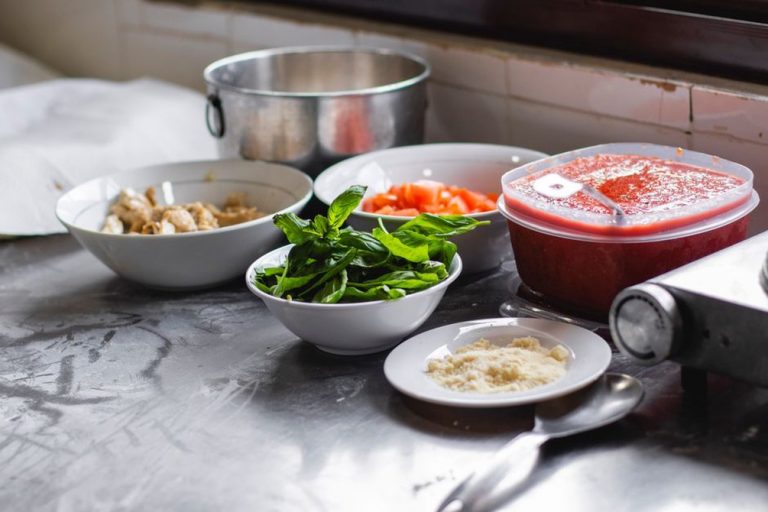
Pour the water from a pot of boiled greens down the sink, and some water-soluble nutrients go with it. Using less water, putting on a lid, and stopping when the greens are tender can keep more in the meal. But nutrient retention is not a contest to find one perfect cooking method. Heat, chopping, storage, and food safety matter too, and foods respond differently.
Paleo meals often include vegetables, fruit, eggs, fish, meat, and, depending on the version of the diet, nuts or seeds. Cooking may reduce some vitamins while making other compounds easier to absorb; raw is not automatically better. A varied diet prepared in ways that are safe and pleasant to eat is a more useful goal than protecting every last nutrient.
Know what cooking can change
Vitamin C and several B vitamins are water-soluble. They can move into cooking water, and some are sensitive to prolonged heat. Minerals do not disappear when heated, but they can leach into liquid you discard. Fat-soluble vitamins and carotenoids behave differently: cooking and serving vegetables with some fat may improve their availability. Protein-rich foods, meanwhile, need adequate cooking for safety, even though too much heat can dry them out.
These effects vary. A vegetable's freshness, how finely you cut it, how much water you use, and whether you eat the cooking liquid can matter as much as the method itself. Laboratory nutrient-retention figures reveal patterns, but they cannot tell you exactly what remains on your plate.
Start preserving nutrients before turning on the heat
Store produce with its useful life in mind
Time, light, air, and temperature affect fresh produce. Refrigerate leafy greens and most cut vegetables promptly, and use them before they become limp or spoiled. When practical, keep vegetables whole until you prepare them: cut surfaces have more exposure to air and can lose moisture. Precut produce is still a sensible choice if it helps you eat more vegetables. Store it as directed and use it promptly.
Frozen vegetables are handy too. They are commonly processed soon after harvest and can be nutritious, even if blanched before freezing. Cook them from frozen when the package says to, rather than leaving them on the counter to thaw. For fish and meat, follow safe refrigeration and thawing practices; nutrient retention is no reason to compromise temperature control.
Wash first, then cut
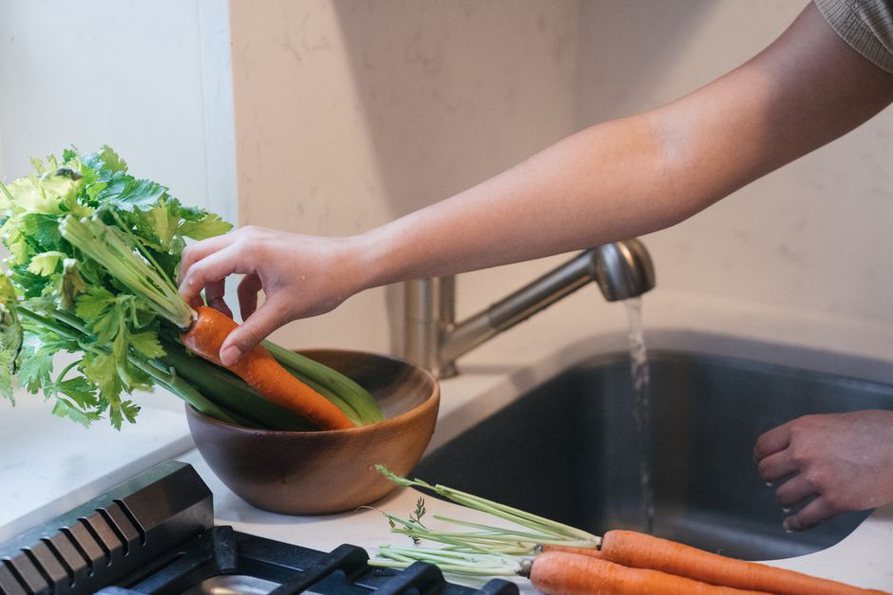
Rinse produce under running water before cutting so the knife does not carry surface dirt into the flesh. Most vegetables do not need a long soak. Cut pieces to suit the method: small ones cook quickly but expose more surface area, while very large ones can take longer to heat through. If a peel is edible and pleasant, leaving it on retains fiber and nutrients in or near the skin. Scrub it well, and remove peels that are tough, damaged, or otherwise unsuitable to eat.
Match the method to the food
For vegetables, short cooking with little water is a useful default, not an absolute rule. A few tablespoons of water in a covered pan can steam greens until tender without submerging them. Brief microwaving in a covered, microwave-safe dish works similarly: add only the water needed, and stop before the vegetables collapse. Both methods limit contact with water and may make vegetables more appealing to people who do not enjoy them raw.
Boiling is not automatically wasteful. It may be the easiest way to cook a large batch of roots or get the soft texture you prefer. Use only as much water and time as needed. If the liquid tastes good and suits the dish, add it to a soup or sauce so nutrients that moved into it are still served. Do not reuse liquid from food that is unsafe to eat or has been held improperly.
Roasting builds flavor in carrots, squash, and other sturdy vegetables. Use a moderate oven temperature when you do not need deep browning, turn pieces for even cooking, and stop when they are tender. Charred edges do not mean more nutrition. Delicate greens usually suit a quick covered sauté better than a long roast. A splash of water helps them wilt before the pan runs dry; cooking fat adds flavor and accompanies fat-soluble compounds.
| Food | Useful approach | What to watch |
|---|---|---|
| Leafy greens | Steam or briefly sauté; serve any flavorful pan juices | Long boiling followed by draining |
| Carrots and squash | Cook until tender and serve with some fat | Assuming raw is always more nutritious |
| Broccoli and cauliflower | Steam or cook briefly in a covered pan | Leaving them submerged until very soft |
| Meat, poultry, fish, and eggs | Cook to a safe internal temperature using a thermometer | Trading safety for a shorter cooking time |
Use the table as a starting point. Size and freshness affect timing, and someone who prefers softer vegetables may reasonably cook them longer. Eating vegetables regularly matters more than hitting an exact cooking time.
Use fat and heat deliberately
Cooking breaks down plant cell structures, making some carotenoids in orange and dark-green vegetables easier to access. A little fat can also help with the absorption of fat-soluble compounds. That need not mean a heavy pour of oil: olive oil on cooked carrots, avocado alongside the meal, or the fat already in an egg dish may do. Choose what suits the food and your preferences.
For pan cooking, use enough heat to cook efficiently without smoking the oil or scorching the food. If it starts to burn, lower the heat or add moisture rather than turning the burner up. A lid, a splash of water, or an oven finish can cook thicker pieces through without aggressively browning the outside. These choices can help keep the texture pleasant as well.
Cook animal foods safely without unnecessary overcooking
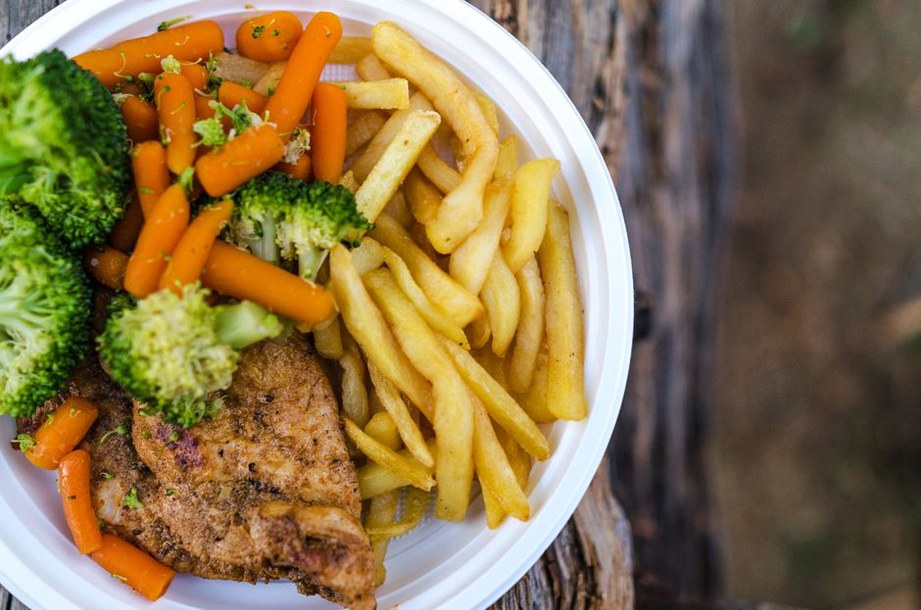
Animal foods provide protein and nutrients such as iron, zinc, and vitamin B12, but handling and doneness matter. A food thermometer is more reliable than color alone, especially for poultry, ground meat, and thick cuts. Check current food-safety guidance for the internal temperature and resting time appropriate to the food; recommendations differ by product and location.
Once food reaches safe doneness, gentler cooking can help prevent drying. Poach fish at a low simmer instead of a vigorous boil. Roast poultry until the thickest part reaches its safe temperature, then remove it from the heat rather than leaving it in a hot pan. When braising meat, serve some cooking liquid if it fits the recipe. Keep raw meat juices away from produce that will not be cooked, and refrigerate leftovers promptly.
Raw eggs, undercooked poultry, and unpasteurized products are not nutrient-preservation shortcuts. People who are pregnant, older, immunocompromised, or feeding young children may need particular care with higher-risk foods. If safety advice is unclear for your situation, ask a qualified clinician or local food-safety authority rather than relying on appearance or recipe timing alone.
Keep useful parts of the food on the plate
Discarding vegetable cooking liquid is one avoidable loss; peeling and trimming too aggressively is another. Peel roots thinly when necessary, and give sound, edible stems from greens enough cooking time to soften. Not every scrap belongs in a meal, though. Remove spoiled areas appropriately, and do not eat plant parts unless you know they are edible.
Acid, herbs, and contrasting textures can make lightly cooked vegetables more enjoyable without cooking them longer. A squeeze of lemon after heating adds brightness, though it cannot restore nutrients already lost. Serve raw fruit or vegetables alongside cooked ones if you tolerate them and can prepare them safely. Raw and cooked versions offer different textures and sometimes different nutrient availability; neither has to win every meal.
Plan batches around storage, not just cooking time
Batch cooking can make a paleo routine easier, but prepared food should not sit at room temperature while you finish the rest of dinner. Divide cooked food into shallow containers so it cools more quickly, refrigerate it within the recommended food-safety window, and reheat leftovers thoroughly according to local guidance. Freeze portions you will not use soon. Portioning once is better than repeatedly warming and cooling the same large container.
To avoid reheating delicate vegetables several times, cook a protein or a pot of roots ahead and prepare greens shortly before serving. Frozen greens or broccoli can be cooked as needed in minutes. If vegetables are already in the batch, reheat only the portion you will eat. A spoonful of water and a lid can keep them from drying out.
It is also easier to vary your meals this way. Instead of cooking every vegetable the same way for the week, you can pair a quick-steamed green with a roasted root or some fresh produce, without making an elaborate recipe.
When digestive comfort changes the best choice
A lightly steamed vegetable may be easier for some people to eat than a large raw salad, even if heat reduces certain vitamins. Others do well with crisp vegetables. Texture, portion size, and the rest of the meal can all affect comfort. Nutrient preservation is not a good reason to keep eating a preparation that repeatedly causes discomfort. Nor is temporary discomfort proof that a food must be excluded permanently.
If you follow an elimination approach such as AIP, use ingredients allowed in your current phase, and keep planned reintroductions separate from cooking advice. Changing both a food and its preparation during a trial makes the result harder to interpret. Keeping preparation consistent can help; the blog's guide to an AIP reintroduction food and symptom log explains how to record those details.
Talk with a doctor about persistent digestive symptoms, unintended weight changes, or a diet that is becoming increasingly restrictive. Discuss significant diet changes with a doctor too, particularly if you have a medical condition or concerns about meeting nutritional needs. Cooking choices can support a nourishing routine, but they cannot diagnose or treat an underlying problem.
A simple way to put the principles to work
For dinner, scrub two carrots and cut them into even pieces. Roast until tender, not darkly charred. While they cook, steam a handful of greens with a splash of water in a covered pan, then pour any remaining pan liquid over them. Cook your chosen fish, meat, or eggs to a verified safe doneness, and add a little olive oil to the vegetables if the meal needs it. Divide leftovers into shallow containers and refrigerate them instead of leaving the pan on the stove.