
Someone reading a paleo snack recipe may want to know why a newly added ingredient seems to leave them bloated. Another reader may simply need ideas for a more satisfying meal. If the useful pages are buried in a menu—or lost in a long list of related posts—neither reader can easily see where to go next. A well-placed internal link makes the connection clear when the question comes up.
Internal links connect pages on the same website. On a blog about paleo eating, elimination approaches, and digestive comfort, they help readers move between explanations and practical advice: a recipe might point to an ingredient guide, while a food-and-symptom diary post might point to meal-planning guidance. The aim is to help someone find what they need, not to keep them clicking or present general nutrition information as personal medical advice.
Give each page a distinct job
Links are easier to place when each page has a clear purpose. A broad guide might explain what a paleo-style eating pattern includes and where flexibility matters. A narrower post might help readers choose a dairy alternative or plan meals during a temporary elimination. A recipe shows how one of those choices works at the table. The pages belong together because they answer different questions, not because they repeat the same introduction.
Before adding links, describe each important page in one sentence. For example: “This page helps readers compare dairy alternatives by ingredients and intended use.” That sets it apart from a coconut milk recipe and a general overview of paleo eating. If two pages have almost the same purpose, links between them may only add to the confusion. Clarify what each page is for first.
It also helps to group pages by what readers are trying to do, rather than by ingredients or diet labels alone:
- Understand: learn what an approach means, what the evidence can and cannot show, and where its limits lie.
- Plan: put broad principles into practice with meals, shopping choices, or a manageable food-and-symptom diary.
- Prepare: follow a recipe or handle an ingredient safely.
- Reassess: review what has changed and recognize when professional guidance is appropriate.
A post may do more than one of these jobs, but its main purpose should guide its links. A fermentation recipe, for example, needs preparation and food-safety context more than a directory of everything the site has published about gut health.
Connect pages in the direction a reader would move
A reader may start with a broad question and then look for a specific application. But someone who arrives directly at a recipe through search may need the background that regular readers already know. Useful links work in both directions; they do not assume everyone starts at the homepage.
From a question to a practical decision
Suppose a post about bloating after a meal discusses portion size, eating pace, ingredients, and timing. Where it considers whether the meal was satisfying and balanced, a link to a guide on adjusting a paleo plate could help. The same link would feel misplaced in a paragraph about urgent symptoms. Its position is part of the explanation for why it matters.
Similarly, when a post about replacing dairy in everyday cooking raises the question of how to compare options, it can point to a guide to choosing dairy alternatives for paleo eating. That link offers help with a cooking choice; it does not suggest that a substitute will resolve digestive symptoms.
From a narrow page back to context
A specific post may need a link to broader guidance so readers do not take it as a rule for everyone. A snack featuring nuts could point to a discussion of individual tolerance, if one exists, rather than imply that nuts suit every reader. A post about a restrictive phase should direct readers to information on nutritional adequacy, planned reintroduction, and why symptoms alone may not identify a food as the cause.
Links cannot carry every safety qualification. A page about persistent bloating needs to say on that page that readers should speak with a doctor. Persistent symptoms and significant dietary changes should be discussed with a doctor, particularly if an elimination plan would narrow an already limited diet. Linking to another page for that advice is not enough.
Use descriptive anchors, not vague directions
The clickable words should make the destination clear. “Ways to check bloating after paleo meals before cutting more foods” tells readers more than “learn more,” especially if they are scanning the page or using a screen reader’s list of links.
Accuracy matters more than fitting in a keyword. If the destination covers what to check before removing more foods, calling it “the best foods to eliminate” misrepresents the page and could encourage unnecessary restriction. In a discussion of one uncomfortable meal, the link can fit naturally: “Before treating one meal as proof of a new intolerance, consider the checks in Bloating After Paleo Meals: What to Check Before Cutting More Foods.”
Give each link a reason to be there. Several near-identical links in a short paragraph make the choice harder, and every mention of “paleo” need not lead back to a general guide. If a sentence exists only to hold a link, rewrite it around the reader’s question.
Build pathways without turning posts into directories
Menus and category pages show the breadth of a site. Links within an article have a smaller, more useful job: explaining how two pieces of content relate. Beside a recipe ingredient, a short note can say why a preparation guide matters. In a symptom diary post, a link can show how meal planning fits into tracking. Neither calls for ten related titles at the end.
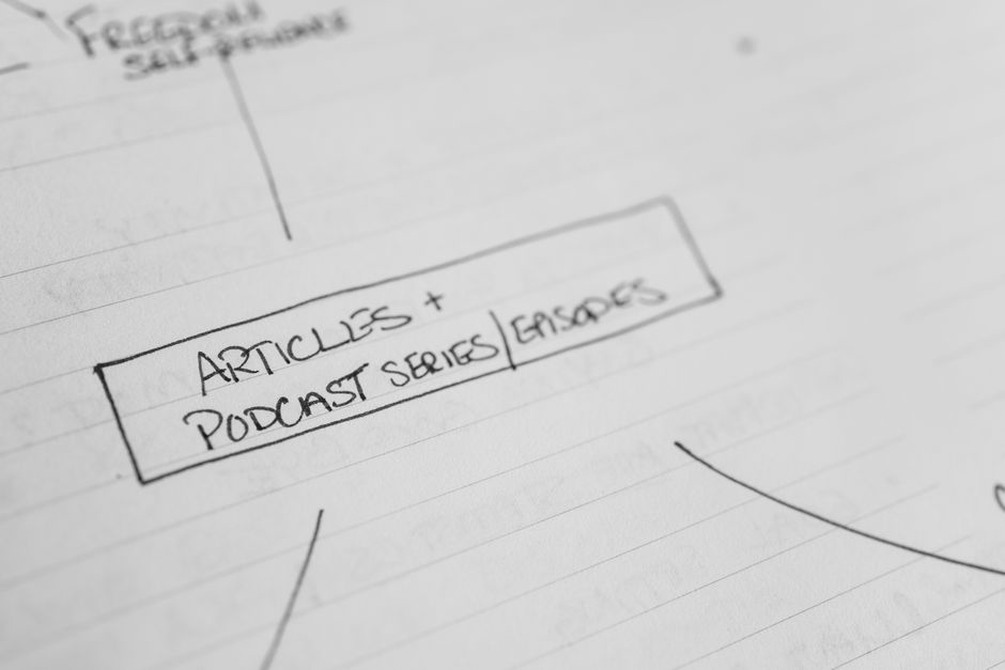
A simple content map can expose missing connections, even on a small blog. A spreadsheet is enough: record each page’s title, its primary reader task, related pages, and the reason for each connection. That last column does the real work. “Explains how to compare the substitutes used in this recipe” is a reason; “shares a topic” usually is not. Leave out links you cannot explain more clearly.
Look for pages with few useful routes in or out. An older food guide may still be valuable but hard to reach from current recipes. A detailed post may get search traffic yet leave readers without the background they need. Add a link where it helps the page you are editing, not just to fill an empty spot on the map.
Protect the meaning of sensitive nutrition content
Some nutrition topics are especially easy to overinterpret. A reader exploring the autoimmune protocol may encounter recipes, exclusion lists, and personal accounts. Links should make clear which page explains the approach, which offers a meal idea, and which discusses planned food reintroduction. A recipe is not evidence that an exclusion is necessary, and the links around it should not suggest otherwise.
The same care applies to digestive symptoms. A practical food post can link to guidance on observing patterns when that context helps, but it should not send readers down a path of ever-narrower food choices. If a page discusses elimination, its links should support a defined purpose and a plan to revisit the restriction—not just further exclusions. They can also make the site's limits clear: what is known, what remains uncertain, and when a clinician’s input belongs in the decision. Elimination diets are not a substitute for medical care.
Check links as part of ordinary editing
A link may work perfectly and still mislead. Open each destination when you review a post. Does the anchor still describe the page’s title and content? Then read the linked sentence in context: does it answer the question raised just before it, and is there a clear reason to leave the page at that point?
Review links when you update a post or substantially change a related page. Check them especially after reorganizing a category, combining overlapping posts, or shifting a guide’s focus. A link that once led to a general food overview may no longer fit if the destination now covers a narrower use.
For the next post you edit, find one passage where the reader faces a specific choice. Write that choice in plain language, then see whether an existing page genuinely helps. If it does, add one descriptive link there. If it does not, leave the sentence unlinked.