If one useful issue takes you three weeks to make, a weekly newsletter is too much to promise. But a monthly email may be too little for readers who signed up for timely meal-planning help. Choose a pace you can keep and that fits what people thought they were signing up for.
That distinction matters for a paleo and digestive-comfort blog. Someone looking for a dinner idea might welcome a short weekly note. Someone considering an elimination diet may want a slower, more substantial email, without another set of food rules landing in their inbox every few days.
Start with the promise, not the calendar
Before picking a send day, describe the newsletter in one sentence. “One practical meal-planning idea every Thursday” makes a different promise from “A monthly digest of new articles and evidence updates.” Frequency is part of what subscribers agree to, not just an internal publishing target.
Think about what you can reliably offer:
- Weekly: A good fit if you have a steady supply of distinct, concise ideas, such as a meal-prep task, a recipe variation or one question you can answer with care.
- Every two weeks: Leaves room to develop practical guidance without a long gap between emails. This can work for a small blog that publishes regularly but not daily.
- Monthly: Suits a roundup or a deeper note readers can use at their own pace. After a longer gap, make the value clear in the subject line and opening.
- Event-based: Useful for occasional announcements, but “only when there is news” tells readers little. Say what sorts of updates qualify, and don’t treat every new post as urgent.
More emails do not automatically mean more help. Combine two that cover nearly the same ground. If one issue contains several unrelated topics, splitting it may help readers choose what to open—but only if each email has a purpose of its own.
Match the pace to the reader’s task
People often subscribe because they want help with a task, not because they want every post delivered immediately. A meal-planning note has a natural weekly rhythm: it can arrive before the usual shopping day. A discussion of food reintroduction may be better sent less often. Readers cannot responsibly test several foods just because a rapid series of emails tells them to.
Keep the general newsletter distinct from an optional, time-limited email series. A subscriber who requests a short sequence on planning an AIP elimination phase has chosen that sequence’s pace; they have not necessarily asked for the ongoing newsletter at the same frequency. Make clear whether signing up for the series also adds them to general emails, and let them stop either type without fuss.
Health-related topics call for particular care. “Try this food by Friday” can put unhelpful pressure on someone managing symptoms or working with a clinician. Offer planning support, not a treatment timetable. Encourage readers to discuss persistent symptoms and significant dietary changes with a doctor; an exclusion diet is not a substitute for medical care.
One list may need more than one rhythm
Subscribers do not all need the same schedule. You might send a general newsletter twice a month and a separate weekly recipe email to people who choose it. Keep the options easy to understand; a maze of overlapping lists helps no one.
At signup, “Two emails a month with practical paleo meals and careful explanations of digestive topics” tells readers more than “exclusive insights.” If you add a series later, invite people to opt in rather than quietly increasing their inbox load.
Estimate the work before committing
Sending takes only a moment. The work is choosing a topic, checking claims, writing and editing, formatting for mobile screens, testing links, and reading once more for accidental pressure or overstatement. If you point to an existing resource, give readers a reason to use it—for example, planning meals for AIP food reintroduction when that is the step the email covers.
Sketch out the issues you could send over the next six to eight weeks. For each, name a distinct benefit to the reader, not just a working title. If you have two strong ideas and four that repeat them, start monthly. An occasional extra email is fine when there is a clear reason and your signup promise allows it.
Consistency does not mean hitting an exact date at any cost. It means readers know roughly what to expect. Missing an issue once is better than filling the gap with a thin, hastily checked health claim. If you keep missing it, update the published schedule.
Use signals carefully when testing a cadence
Pick a schedule you can sustain for several issues, then compare similar emails. A popular recipe might get more attention than a researched explanation no matter when you send it. Look at a small run before deciding frequency made the difference.
Pay attention to:
- Unsubscribes and complaints: Look for changes after you increase sending, while remembering that some people will leave any list.
- Clicks on relevant resources: They may show that readers found a clear next step, but not whether they followed the advice or benefited.
- Direct replies: A specific comment about pace or usefulness can explain more than a headline metric.
- Production strain: Missed deadlines, rushed edits and recycled topics are signs the schedule may be too demanding.
Open rates are an imperfect measure of interest: email privacy features and image loading can affect what gets recorded. A low click rate does not automatically mean an email failed, either. A complete, usable tip may need no link. The National Institutes of Health guidance on health literacy is a useful reminder to make health information understandable and usable, rather than pushing readers toward a link for the sake of a metric.
You can also ask subscribers a simple preference question: keep the current schedule, send fewer emails or offer a separate recipe-only option? Treat the answers as context, not a perfect poll. People who respond may feel more strongly than those who do not. Weigh their comments against your workload and the quality of what you can publish.

Change frequency without surprising subscribers
If you move from monthly to weekly, tell subscribers when the change starts and what the extra emails will contain. Offer a lower-frequency choice if you can maintain one. Where readers can make a clear choice, do not treat their silence as consent to a substantial increase in email.
If you send less often, a short note in the next issue will do: “From next month, this newsletter will arrive on the first Tuesday of each month.” You can keep that regular schedule and send occasional, clearly labeled updates to people who asked for them.
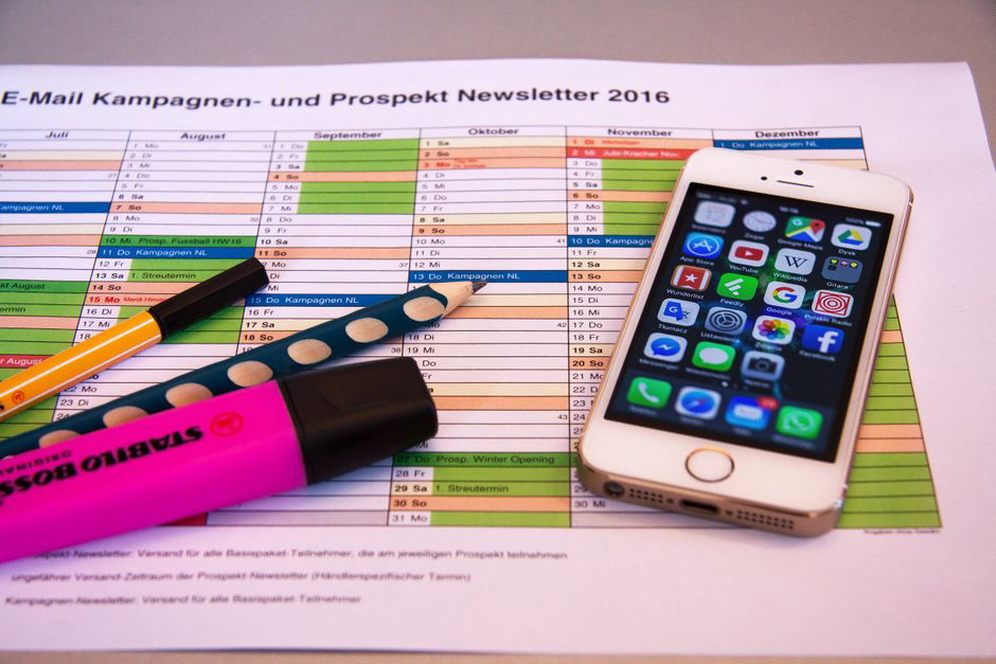
Put the schedule on the signup form and in the welcome email, then check it against what you actually send. For a new twice-monthly newsletter, try one issue on the first Tuesday and another on the third, each with one main idea and one optional resource. After three months, look at reader feedback and your editing workload before adding more dates to the calendar.