When you first start the Autoimmune Protocol, the list of allowed foods can feel both liberating and limiting. You have plenty of vegetables, quality meats, bone broth, and healthy fats — but no grains, legumes, dairy, eggs, nuts, seeds, nightshades, or refined additives. The kitchen suddenly becomes a puzzle: how do you make a satisfying meal without the usual shortcuts? Over the past year, I’ve watched readers in the AIP community struggle not with the science of the diet, but with the daily reality of putting food on the table without spending hours chopping, simmering, and cleaning. The answer isn’t a single miracle recipe — it’s a set of habits and techniques that strip cooking down to its essentials while preserving flavor and nutrient density.
Why Simple Cooking Matters During AIP
The elimination phase of AIP is already demanding. Your body is adjusting, you’re reading labels, and you may be dealing with fatigue or digestive discomfort. Adding elaborate, multi-step meals on top of that can lead to burnout. Simple cooking isn’t about sacrificing quality — it’s about reducing decision fatigue and making the protocol sustainable. When you keep the process straightforward, you’re more likely to stick with it, and that consistency is what allows your gut and immune system to settle.
The Three-Ingredient Rule for AIP Meals
A practical shortcut I often recommend is the “three-ingredient rule” for main dishes: pick a protein, a vegetable, and a cooking fat. That’s your base. For example, grass-fed ground beef + shredded cabbage + lard. Or boneless chicken thighs + chopped kale + coconut oil. From there, you can add a simple seasoning (sea salt, fresh herbs, garlic powder if tolerated) and a splash of acid (lemon juice or apple cider vinegar) to brighten the dish. This approach keeps grocery lists short and prep time under 20 minutes. You can vary the combinations endlessly: pork shoulder + sweet potato + duck fat, or salmon + zucchini + avocado oil.
Batch Cooking Without the Burnout
Batch cooking on AIP doesn’t have to mean spending an entire Sunday in the kitchen. Focus on cooking one or two components in bulk that can be repurposed. For example, roast a tray of root vegetables (carrots, parsnips, beets) and a tray of bone-in chicken thighs at the same time. Use the roasted vegetables for breakfast hash, lunch salad topping, and dinner side. Shred the chicken and use it in lettuce wraps, soups, or mixed with sautéed greens. Another time-saver: cook a large pot of bone broth and freeze it in 2-cup portions. That broth becomes the base for quick soups, sauces, and even cooking grains-free “porridge” with tigernut flour (if reintroduced later).
One reader shared how she uses a slow cooker to make a week’s worth of carnitas from a single pork shoulder — just meat, salt, and a little broth. She then freezes half and uses the rest for tacos (in lettuce cups), salads, and stir-fries. That’s the kind of simplicity that keeps AIP from feeling like a second job.
Tools That Actually Help
You don’t need a kitchen full of gadgets, but a few well-chosen tools can cut prep time dramatically. A good chef’s knife and a large cutting board are non-negotiable. An immersion blender makes quick work of pureeing soups and sauces (like a simple carrot-ginger soup with coconut milk). A sheet pan with a wire rack lets you roast meats and vegetables together without soggy bottoms. And a slow cooker or Instant Pot can turn tough cuts of meat into tender meals with minimal effort. If you already have a favorite kitchen tool from your pre-AIP days, chances are it still works — just avoid nonstick pans that may shed coatings; cast iron or stainless steel are excellent choices.
Flavor Without Complexity
One common complaint about AIP is that food tastes bland. But you can build deep flavor with just a few allowed ingredients. Salt is essential — don’t skimp on it unless you have a specific medical reason. Fresh herbs (rosemary, thyme, oregano, basil) add layers without effort. Garlic and onion (if tolerated in powder form) are powerful. Coconut aminos bring umami, and a squeeze of lemon or lime lifts everything. A simple technique: sear your protein in a hot pan with fat, then deglaze with a splash of broth and scrape up the browned bits — that’s a sauce in seconds. Roasting vegetables at high heat (400°F/200°C) caramelizes their natural sugars and makes even humble cabbage taste rich.
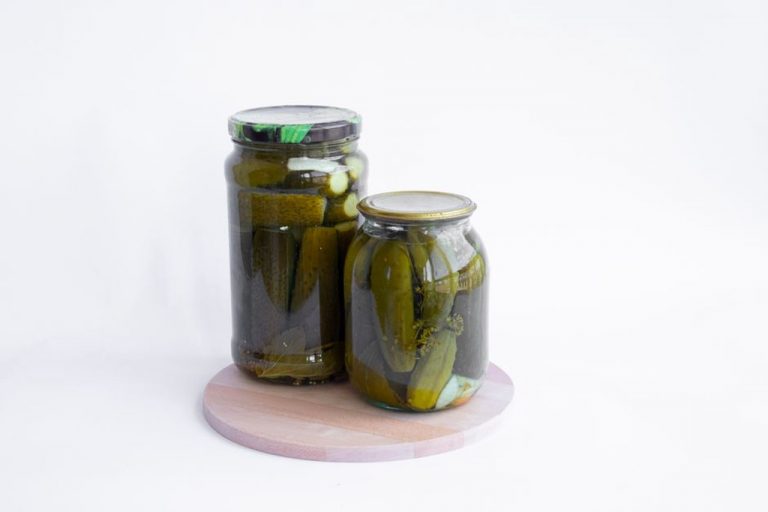
Fermented foods can also add complexity, but they require some care. If you tolerate small amounts, a spoonful of sauerkraut or fermented carrots alongside a simple meal can transform it. For more on introducing ferments safely, see our post on Fermented Foods on a Paleo Diet: Gut Health, Histamine, and How to Start.
One-Pan Meals: The Ultimate AIP Shortcut
The one-pan (or sheet pan) meal is your best friend during elimination. Arrange protein and vegetables on a single tray, drizzle with fat, season, and roast. Cleanup is minimal. Here are three combinations that work well:
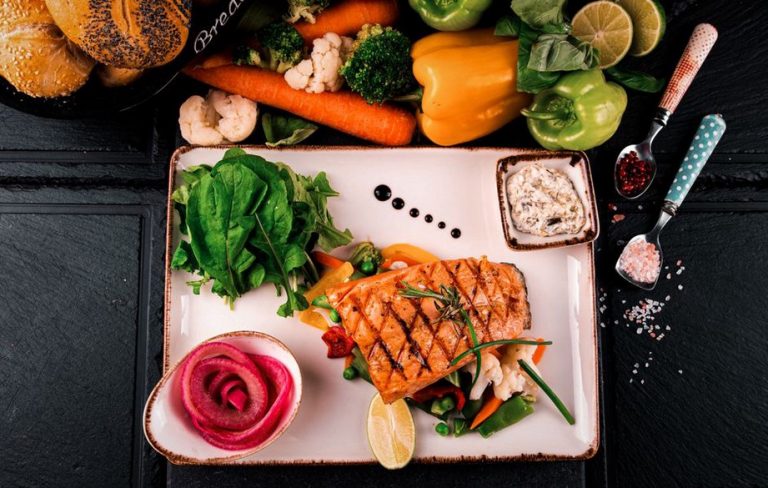
- Salmon with asparagus and sweet potato wedges — toss sweet potato wedges in coconut oil and roast 15 minutes, then add salmon and asparagus for another 10-12 minutes.
- Ground lamb with butternut squash and kale — cook lamb in a skillet, remove; sauté kale in the rendered fat, add cubed roasted butternut squash, then combine.
- Chicken drumsticks with broccoli and plantain chunks — arrange everything on a sheet pan, season with salt and rosemary, roast at 400°F for 30-35 minutes.
These meals require no separate sauce, no multiple pots, and they all reheat well for leftovers.
Navigating Social Meals and Travel
Simple cooking at home is one thing, but what about eating with others or traveling? The same principles apply. When visiting friends, offer to bring a dish that fits your needs — a big salad with grilled chicken and avocado, or a tray of roasted vegetables. When traveling, pack a few staples: packets of coconut oil, sea salt, and a small container of homemade broth powder (dehydrated broth). Many hotels have a mini-fridge and microwave; you can buy pre-cooked rotisserie chicken (check ingredients) and steam-in-bag vegetables. For more international adaptation tips, see The Autoimmune Connection: Following AIP Internationally Since 2015.
When Simplicity Meets Nutrient Density
A common worry is that simple cooking means lower nutrient density. Not true. A meal of roasted salmon, broccoli, and sweet potato is packed with omega-3s, vitamin C, beta-carotene, and fiber. The key is to use a variety of vegetables across the week — different colors, different families. You don’t need to cram ten ingredients into one dish to get good nutrition. A simple meal with high-quality protein, plenty of produce, and healthy fat is already nutrient-dense. If you want to boost it further, add a side of fermented vegetables or a handful of fresh herbs.
One practical tip: keep a “rainbow list” on your fridge — each week, aim to eat at least one serving of vegetables from each color group (red, orange/yellow, green, purple/blue, white). That ensures a broad spectrum of phytonutrients without overcomplicating any single meal.
A Final Note on the Elimination Phase
Cooking simply on AIP isn’t about perfection — it’s about finding a rhythm that works for your body and your schedule. If you have a day where all you manage is a bowl of bone broth with shredded chicken and wilted spinach, that’s fine. That meal still supports your healing. The goal is to remove stress, not add to it. As you move through the elimination phase and later into reintroductions, your cooking style will evolve. But the habits you build now — choosing whole ingredients, using minimal steps, and trusting that simple food can be both nourishing and satisfying — will serve you long after you’ve expanded your diet.