You’ve been on a strict paleo or autoimmune protocol for weeks, feeling better than you have in years. Then you eat a perfectly clean meal — scrambled eggs with sautéed kale and a side of broccoli — and within an hour your abdomen distends, you feel foggy, and a rotten-egg smell haunts your breath. This isn’t a reaction to FODMAPs or histamine; it’s sulfur sensitivity, a lesser-known but surprisingly common challenge for those following nutrient-dense, whole-food diets.
Sulfur is an essential mineral, critical for detoxification, joint health, and amino acid synthesis. But when the body’s sulfur metabolism is disrupted — often due to gut dysbiosis, impaired sulfation pathways, or an overload of dietary sulfur — the very foods meant to heal can trigger discomfort. The good news is that sulfur sensitivity is usually temporary and manageable with a structured approach that honors the principles of elimination and careful reintroduction.
What Is Sulfur Sensitivity?
Sulfur sensitivity refers to an adverse reaction to foods naturally high in sulfur-containing compounds, such as sulfites, thiols, and hydrogen sulfide precursors. On a paleo diet, common culprits include:
- Allium vegetables: garlic, onions, leeks, shallots
- Cruciferous vegetables: broccoli, cauliflower, Brussels sprouts, cabbage, kale
- Eggs (especially the yolks)
- Organ meats: liver, kidney, heart
- High-sulfur protein sources: red meat, poultry skin, shellfish
- Certain nuts and seeds: Brazil nuts, walnuts, sunflower seeds
- Fermented foods: sauerkraut, kimchi, kombucha (due to sulfate-reducing bacteria activity)
These foods are celebrated for their nutritional density — organ meats provide bioavailable heme iron and B vitamins; cruciferous vegetables supply sulforaphane and glucosinolates. Yet for some individuals, the same compounds overwhelm the body’s capacity to process them, leading to hydrogen sulfide gas production in the gut, impaired methylation, and systemic symptoms.
Recognizing the Signs
Sulfur sensitivity doesn’t look the same for everyone, but common patterns include:
- Bloating and distension within 30–60 minutes of eating a sulfur-rich meal
- Passing gas that smells distinctly of rotten eggs (hydrogen sulfide)
- Headaches, brain fog, or irritability after meals
- Fatigue that sets in an hour or two after eating
- Joint achiness or muscle tension (sometimes mistaken for a flare-up of an autoimmune condition)
- Skin reactions such as flushing or acne-like breakouts
If you notice these symptoms recurring when you consume high-sulfur foods, and they resolve when you avoid them, you may be dealing with sulfur sensitivity rather than a general food intolerance or a reaction to another component like histamine or oxalates.
Why Paleo and AIP Diets Can Trigger Sulfur Sensitivity
The irony is that the very diet designed to reduce inflammation can inadvertently increase sulfur load. A standard modern diet is relatively low in sulfur-rich whole foods; a paleo or AIP diet deliberately includes them for their nutrient density. For someone with a sluggish sulfation pathway — due to genetic variants in SUOX or MOCOS genes, or simply because their gut microbiome has an overgrowth of sulfur-reducing bacteria — the sudden increase can overwhelm the system.
Additionally, the autoimmune protocol often emphasizes fermented foods for gut health. While these can be beneficial, they also introduce live bacteria that may produce hydrogen sulfide if the gut environment is already skewed. A 2015 discussion in the paleo community highlighted how some individuals on AIP experienced worsening bloating after adding fermented vegetables, which led to a deeper exploration of sulfur metabolism. (You can read more about that conversation in our earlier post on Fermented Foods and Your Gut: Lessons from a 2015 Paleo Thread.)
It’s also worth noting that stress, poor sleep, and certain medications can impair the body’s ability to detoxify sulfur compounds, making sensitivity more pronounced during periods of low resilience.
A Step-by-Step Approach to Overcoming Sulfur Sensitivity
1. Establish a Low-Sulfur Baseline
Before you can reintroduce sulfur-rich foods, you need a clean slate. For 1–2 weeks, follow a low-sulfur version of your paleo or AIP diet. Focus on:
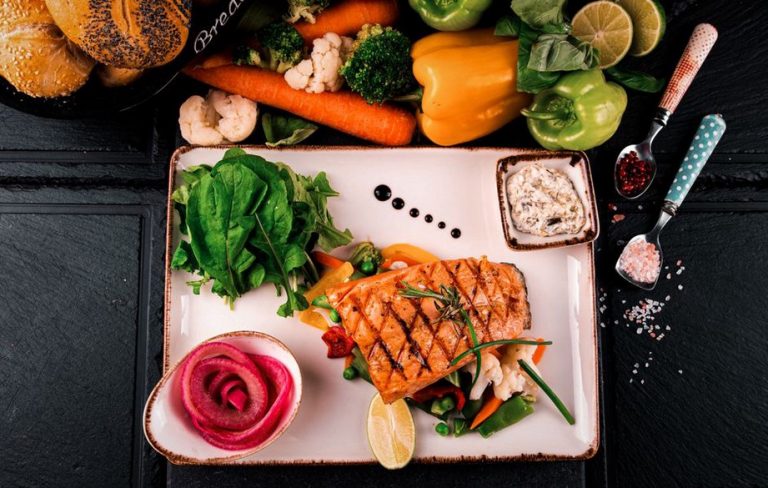
- Protein: fresh fish, chicken breast (without skin), turkey, lamb (in moderation), and small amounts of well-cooked red meat (avoid organ meats)
- Vegetables: leafy greens (lettuce, spinach, arugula), zucchini, cucumber, bell peppers, carrots, celery, green beans, sweet potatoes (peeled)
- Fruits: berries, bananas, apples, pears, melon
- Fats: olive oil, coconut oil, avocado oil, ghee (if tolerated)
- Herbs and spices: basil, oregano, rosemary, thyme, turmeric, ginger (avoid garlic and onion powder)
Cook vegetables thoroughly — long, moist heat (boiling, steaming, slow-cooking) reduces volatile sulfur compounds. Avoid raw cruciferous vegetables entirely during this phase.
2. Keep a Detailed Symptom Journal
Use a simple daily log to record every food, portion size, cooking method, and any symptoms that arise within four hours of eating. Note the time of onset, severity, and duration. This will help you distinguish between sulfur sensitivity and other intolerances. Many people find that symptoms disappear within 3–5 days on the low-sulfur baseline.
3. Systematic Reintroduction
Once you feel symptom-free for at least three consecutive days, begin reintroducing sulfur-rich foods one at a time, starting with the least reactive options. A suggested order:
- Egg yolks (start with one, cooked well)
- Broccoli or cauliflower (cooked for 20 minutes, start with 1–2 florets)
- Garlic or onion (cooked, small amount)
- Organ meats (chicken liver, 1 ounce)
- Fermented foods (1 tablespoon sauerkraut juice)
Wait 48–72 hours between reintroductions. If a food triggers symptoms, note the dose and try again after a month — sometimes the gut needs time to adapt. If symptoms are severe, stop that food and consult your healthcare provider.
4. Support Sulfur Metabolism Naturally
While we do not recommend supplements or dosing, certain dietary strategies can support the body’s sulfur pathways without overloading them:
- Include molybdenum-rich foods like legumes (if reintroduced), leafy greens, and whole grains — but note that legumes are not paleo; you can get molybdenum from dark leafy greens and sunflower seeds in small amounts.
- Stay well-hydrated to support kidney excretion of sulfate.
- Prioritize sleep and stress management, as these directly affect sulfation enzyme activity.
- Consider a short course of gentle cooking methods (slow-cooked bone broth, stews) that reduce sulfur content while preserving nutrients.
When to Seek Professional Guidance
Sulfur sensitivity can overlap with other conditions such as small intestinal bacterial overgrowth (SIBO), hydrogen sulfide SIBO, or genetic disorders of sulfur metabolism. If your symptoms are severe, persistent, or accompanied by unintended weight loss, diarrhea, or significant fatigue, it is essential to work with a healthcare provider who understands dietary approaches. An elimination diet is a tool for exploration, not a substitute for medical diagnosis.
One reader shared that after three months of careful reintroduction, she could tolerate a full serving of broccoli and two eggs daily without bloating. She started with a single floret of steamed broccoli and added one egg yolk every few days. The key was patience, precise journaling, and adjusting cooking times — she found that 25 minutes of boiling reduced her reaction to cauliflower by 80%.
Sulfur sensitivity is rarely a permanent sentence. With a systematic, low-and-slow approach, most people can restore a varied, nutrient-dense paleo diet while respecting their body’s current capacity to process sulfur. The goal is not to avoid these foods forever, but to learn how to include them in a way that supports — rather than sabotages — your digestive comfort.