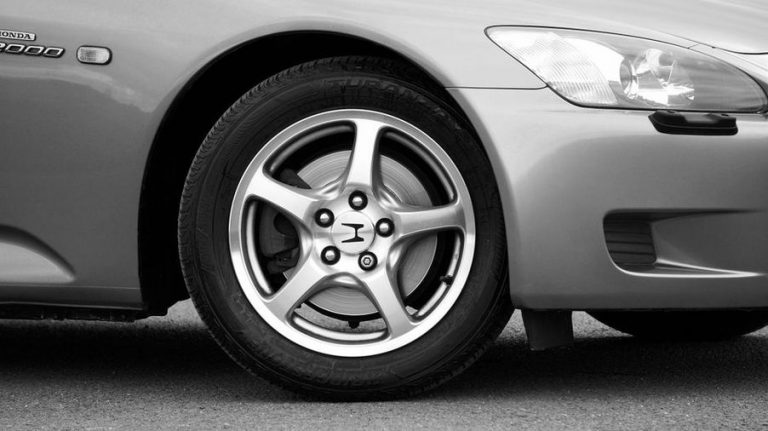
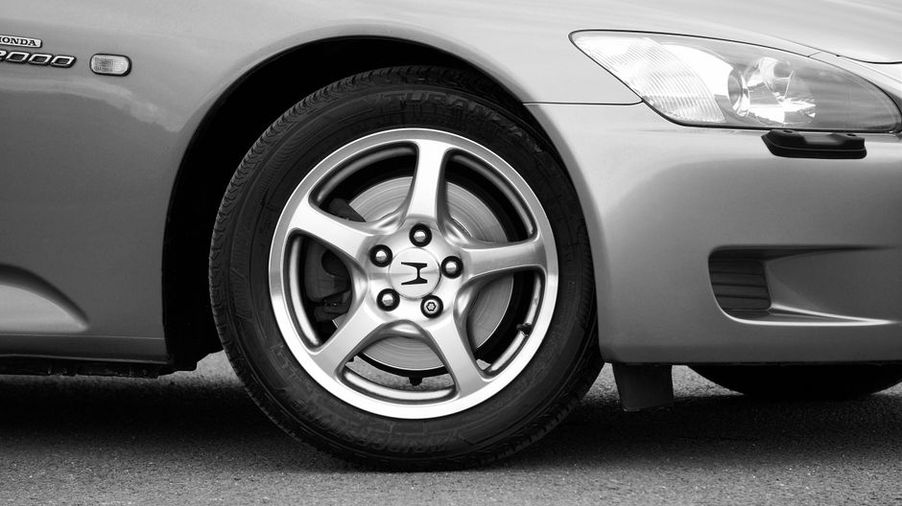
A tire can look only slightly low yet be several pounds below its recommended pressure. Check it with a gauge when it is cold—before driving or after the car has been parked for a few hours. Compare the reading with the label on the driver’s door jamb, not the number molded into the tire’s sidewall. That sidewall number is usually the tire’s maximum rated pressure, not the target for your car.
The same principle applies to the rest of basic car care: start with your vehicle’s specifications. Its manual, maintenance schedule, and dashboard messages are more useful than a generic mileage rule. You don’t need to be a mechanic to notice a change, keep up with routine service, or recognize when a job needs a professional.
Keep the right information at hand
Find your owner’s manual, either in the glove box or on the manufacturer’s website. Locate the maintenance schedule and make a note of the specified oil grade, tire pressures, fluid types, service intervals, and guidance on dashboard warnings. If you bought the car used, don’t assume every service was completed. Gather any receipts you have and ask a qualified technician how to establish a maintenance baseline.
Keep a simple log of the date, odometer reading, work done, and any symptom that keeps coming back. “Vibration above 55 mph, most noticeable while braking” tells a shop more than “car feels strange.” Save invoices that list the parts and fluids used. You can also check for open safety recalls using your vehicle identification number through the manufacturer or the road-safety authority in your country. Recall repairs are handled differently from ordinary maintenance.
The quick check before you drive
You don’t need a formal inspection every time you start the car. A short walk around it, especially before a long trip, can reveal things you might miss from the driver’s seat:
- Tires: Look for a visibly low tire, cuts, bulges, exposed material, or an object stuck in the tread. Don’t pull out an embedded nail unless you’re prepared for the leak that may follow.
- Ground beneath the car: Watch for a new puddle or persistent drip. Clear water from the air-conditioning drain can be normal; oily, colored, or strongly scented fluid needs attention.
- Glass and lights: Clear the windows, mirrors, and exterior lamps, and make sure the license plate is readable.
- Dashboard: After starting the car, check that warning lights behave as the manual describes. Don’t get used to a light that stays on.
On the road, take notice of new pulling or vibration, a burning smell, weaker braking, or a marked change in engine sound. If the car becomes hard to control or a serious warning appears, find a safe place to stop. A flashing check-engine light, oil-pressure warning, or overheating warning calls for prompt action: consult the manual rather than driving on to finish the trip. If you see steam, switch off the engine once you’ve stopped safely and let it cool. Never open a hot radiator or coolant-reservoir cap.
Monthly tire care: pressure, tread, and spare
Measure all four tire pressures about once a month and before a long drive. Use an accurate gauge while the tires are cold, set the pressures to the door-jamb values, and put the valve caps back on. Your car may specify different pressures for front and rear tires or for particular loads. A tire-pressure monitoring system is helpful, but it may not warn you about every gradual change; it doesn’t replace a gauge.
Look across the full width of each tire’s tread, not just one spot. Built-in wear bars show when the tread has reached its minimum indicator. Uneven wear, such as one edge wearing faster than the other, can point to an inflation, alignment, or suspension problem. Have cuts, sidewall bulges, or exposed cords assessed by a professional rather than waiting another month. Tread and tire-age requirements vary by location and tire type, so follow local law and a tire professional’s advice. The overview of tire maintenance explains how inflation, rotation, and wear affect tire life, but use your vehicle’s specifications for the actual settings.
If your car has a spare, check its pressure as directed in the manual. Find the jack and wheel tools now, too. Other cars carry a sealant kit or depend on roadside assistance; know what yours has, its limitations, and whether your coverage is active. If you aren’t trained to change a wheel safely, especially beside traffic, call for help.
Fluids: identify the reservoir before topping up
Park on level ground and use the manual’s instructions for checking fluids. Opening the hood is a reasonable beginner task. Opening an unfamiliar cap and adding a product that looks about right isn’t. The wrong fluid can cause expensive damage, and a falling level may signal a leak.
Engine oil
Some cars have a dipstick; others display the oil level electronically. If yours has a dipstick, check the manual for whether the engine should be warm or cold and how long to wait after turning it off. Pull the dipstick, wipe it, reinsert it fully, then read the level between the marks. If the oil is low, add only the specified grade in small amounts and check again. Overfilling can cause problems too. A low oil-pressure warning is different from a routine low-level reading: stop safely and follow the manual’s instructions.
Follow the manufacturer’s oil-change interval for your car, oil specification, and driving conditions. Repeated short trips, towing, or other severe use may call for a different schedule. Service reminders help, but record when the oil and filter were actually changed. Oil color alone won’t tell you when a change is due.
Coolant, brake fluid, and washer fluid
When the engine is cool, check the coolant against the marks on its translucent reservoir, if your car has one. Coolant chemistry varies, so don’t mix products based on color alone. If the level keeps dropping, have the cooling system inspected. Never remove a cooling-system cap while the engine is hot; pressurized coolant can cause severe burns.
Brake-fluid reservoirs also have level marks, but a low reading calls for investigation rather than casual topping up. The level can change as brake pads wear, and a leak is a serious safety issue. If the pedal feels unusually soft, sinks, or braking performance changes, stop driving and arrange professional help.
Windshield-washer fluid is usually simple to refill once you’ve identified the right reservoir. Choose a product suited to your climate; plain water can freeze and may not clean the glass well. If the washer jets stop working, check the fluid level before assuming the pump has failed.
Visibility and battery checks
Pay attention to wipers that streak, chatter, leave patches unwiped, or have torn rubber. Clean the windshield and blade edges first, since dirt can make good wipers seem worn. If they need replacing, get blades that fit your car. Clean the inside of the windshield as well: a film there can create glare at night.
Check headlights, brake lights, turn signals, hazard lights, and reverse lights regularly. Reflections in a window or garage door can reveal some faults; a second person makes brake- and reverse-light checks easier. Some bulbs are easy to replace, while other lighting units need a workshop. Keep lenses clean, and get help if the headlights seem unusually dim or misaligned.
If the engine cranks slowly, the battery repeatedly needs a jump-start, or you see visible damage, have the battery tested. With the engine off, you can look for loose-looking connections or heavy corrosion without touching them. Batteries contain hazardous materials and can produce flammable gas. Don’t bridge the terminals with a tool or attempt cleaning or replacement unless you know the correct procedure. A jump-start may get you moving after a flat battery, but it won’t explain why it went flat. If the problem returns, have the battery and charging system checked.

Use the maintenance schedule, not guesswork
Routine service goes beyond oil. Depending on the vehicle, the schedule may cover engine and cabin air filters, tire rotation, brake inspection, transmission fluid, coolant, spark plugs, and timing components. Intervals may be based on mileage, time, or driving conditions. A car driven very little can still need time-based service. Electric vehicles also need the tire, brake, filter, cooling-system, and other checks specified by their manufacturers.
At each service, ask for an itemized report that separates completed work from recommendations. If a shop suggests an additional repair, ask what it found and whether the issue is urgent, safety-related, or something to monitor. Keep the report even if you postpone nonurgent work. For tire rotation and other tire service, the technician should use the pattern and torque specifications for your vehicle; all-wheel-drive cars and staggered tire setups don’t necessarily follow the same pattern.
A beginner’s routine can stay short:
- Before driving or a longer trip: Notice obvious tire damage or leaks, clear the glass, and respond to dashboard warnings.
- About monthly: Measure cold tire pressures, inspect tread, and check washer fluid and exterior lights.
- At the interval in your manual: Arrange oil service and other scheduled maintenance, then record what was done.
- Whenever something changes: Note the symptom and have a qualified professional assess safety-related concerns promptly.
Know what can wait and what cannot
Have a small windshield chip assessed before it spreads or blocks your view; repair rules and inspection standards differ by location. An intermittent rattle may give you time to book an appointment. A rattle accompanied by steering changes, fluid loss, or a warning light needs quicker attention. Poor braking, an overheating engine, or a tire with a sidewall bulge can make continued driving dangerous.
When you call a repair shop, describe what happened and when: your speed, the road surface and weather, whether the engine was cold, and whether the problem appears during acceleration, braking, or turning. Don’t name a failed part unless it has been confirmed. “The steering wheel shakes while braking from highway speed” is more useful than “I need new rotors.” If you aren’t sure the car is safe to drive, ask about towing instead of testing it on the road.
Keep your registration and insurance details, as required locally, within reach, along with a phone charging cable, flashlight, and roadside-assistance number. Check the expiration date on any tire sealant supplied with the car. At your next fuel stop, read the tire-pressure label on the driver’s door jamb and save the front and rear values on your phone. You’ll have them handy the next time you use your gauge.