On a cold February morning in 2016, I stood in my kitchen staring at a pile of sweet potatoes, a bag of frozen broccoli, and a single chicken thigh. That was my entire AIP-compliant pantry for the week. I had just finished a three-day elimination phase and was supposed to eat nothing but whole, unprocessed foods. The recipe blogs I had bookmarked called for coconut aminos, plantain flour, and something called "lard from pastured pigs" — none of which I had. The pressure to cook elaborate, Instagram-worthy meals was real, but my reality was a single burner and a tight budget. That week taught me something essential: cooking simply on the Autoimmune Protocol is not a sign of failure; it is the foundation of sustainability.
Why Simple Cooking Matters for AIP
The Autoimmune Protocol is already restrictive enough. Adding complex preparation methods, obscure ingredients, and multi-step recipes can turn an already challenging dietary shift into a full-time job. When I look back at the early months of 2016, the meals that kept me on track were not the ones that took two hours to prepare. They were the ones I could assemble in twenty minutes with five ingredients or fewer. Simplicity reduces decision fatigue, lowers the barrier to eating compliantly, and leaves mental energy for monitoring symptoms and reintroductions.
Research on dietary adherence consistently shows that the more steps a meal requires, the less likely people are to stick with a new eating pattern. For someone navigating an elimination diet, the goal is not culinary artistry — it is consistent, nourishing fuel that does not trigger inflammation. As we discussed in the retrospective on the 2015 AIP E-Book Bundle, many of the recipes in that collection emphasized simplicity over complexity, a lesson that remains relevant years later.
Five Core Staples That Make AIP Simpler
Over that winter, I developed a short list of ingredients that could form the backbone of nearly any meal. These staples are nutrient-dense, widely available, and forgiving when you are short on time or energy.
- Sweet potatoes — roast a batch at the start of the week; they reheat well and pair with any protein or green.
- Frozen dark leafy greens — spinach, kale, or collards; no washing or chopping, just toss into soups or sauté with garlic.
- Ground meat (beef, lamb, or bison) — cooks quickly, absorbs flavors, and freezes well in pre-portioned packs.
- Bone broth — homemade or store-bought (check labels for compliant ingredients); use as a base for soups, stews, or to cook vegetables.
- Fresh herbs and ginger — parsley, cilantro, rosemary, and ginger add flavor without relying on nightshade spices or seed-based seasonings.
With these five items, I could create a rotation of meals that never felt repetitive. A typical week included sweet potato hash with ground meat and kale, bone broth soup with shredded chicken and broccoli, and baked sweet potato topped with sautéed greens and a fried egg (if eggs were reintroduced).
Batch Cooking Without Overwhelm
Batch cooking is a popular strategy in the paleo world, but it can become another source of stress if you try to cook everything at once. In 2016, I learned to batch cook in layers. On Sunday afternoon, I would roast a tray of sweet potatoes and a tray of chicken thighs or a small pork shoulder. While those cooked, I would start a pot of bone broth simmering on the back burner. That gave me three building blocks: cooked protein, cooked starch, and a flavorful liquid. During the week, I could combine them in different ways — a quick stir-fry, a soup, a salad with leftover meat and roasted sweet potato cubes.
The key is to avoid planning every meal in advance. Instead, cook components that can be mixed and matched. For example, a batch of plain ground meat can become taco filling (with lettuce wraps and avocado), a base for a veggie bowl, or a quick addition to a broth-based soup. This approach respects the reality that energy levels and appetite fluctuate, especially when you are in the early stages of an elimination diet.
One-Pan Meals for Low-Energy Days
There will be days when even chopping an onion feels like too much. On those days, one-pan meals are a lifeline. I still remember a particularly rough evening in February 2016 when joint pain and fatigue made standing at the stove unbearable. I threw a handful of frozen broccoli florets, a diced sweet potato, and a pre-cooked chicken sausage (AIP-compliant, from a local farm) onto a baking sheet, drizzled with olive oil and sprinkled with dried rosemary, and roasted at 400°F for 25 minutes. The result was a hot, nourishing meal with minimal cleanup and zero chopping beyond the sweet potato.
The principle applies to stovetop cooking as well: a single skillet can hold ground meat, shredded cabbage, and a splash of bone broth for a quick hash. The fewer dishes you generate, the more likely you are to cook again tomorrow.
Managing Flavor Without the Ususpects
One of the biggest hurdles when cooking simply on AIP is the loss of familiar flavor profiles. Without black pepper, chili, paprika, or garlic powder (garlic is often reintroduced later but is eliminated early), meals can taste flat. In 2016, I discovered that fresh herbs and aromatics are far more potent than their dried counterparts. A handful of fresh cilantro stirred into a finished soup brightens the entire dish. Grated ginger root adds warmth without heat. Turmeric, while not a flavor powerhouse on its own, pairs beautifully with ginger and a pinch of salt to create a savory base.
I also learned to use salt strategically. Many people on elimination diets underseason because they fear salt, but adequate sodium is crucial for adrenal support and electrolyte balance, especially when you are cutting out processed foods. A generous pinch of high-quality sea salt can transform a bland sweet potato mash into something crave-worthy.
When a Simple Meal Still Causes Issues
Even the most straightforward AIP meal can sometimes trigger bloating or discomfort, especially during the early weeks of elimination. This is not a sign that you are doing something wrong — it is a signal that your digestive system is still adjusting. If you find that a clean meal of roasted meat and vegetables leaves you feeling distended, consider the volume and the fiber load. A large portion of raw cruciferous vegetables, for example, can be hard to digest for some people. Cooking vegetables thoroughly and chewing slowly can make a significant difference. For those moments when symptoms persist despite careful choices, the 24-hour window protocol offers a structured response to identify the culprit without abandoning the entire diet.
A Realistic Week of Simple AIP Meals (February 2016 Edition)
To ground these tips in a concrete example, here is what a typical week looked like for me during that cold month:
- Monday: Breakfast — leftover roasted sweet potato and ground lamb reheated with a handful of spinach. Lunch — bone broth with shredded chicken and sliced carrots. Dinner — baked salmon with steamed broccoli and a side of roasted sweet potato.
- Tuesday: Breakfast — same as Monday, because leftovers are your friend. Lunch — chicken thigh (from Sunday batch) with a big salad of romaine, cucumber, and avocado, dressed with olive oil and lemon juice. Dinner — ground beef sautéed with grated ginger, garlic (reintroduced), and shredded cabbage.
- Wednesday: Breakfast — a smoothie made with bone broth, a small cooked sweet potato, and a handful of frozen berries (no banana, no protein powder). Lunch — leftover beef and cabbage hash. Dinner — roasted pork shoulder (from Sunday) with roasted parsnips and a side of sautéed kale.
- Thursday: Breakfast — two slices of roasted sweet potato topped with mashed avocado and a sprinkle of salt. Lunch — soup made from leftover bone broth, shredded pork, and frozen broccoli. Dinner — baked cod with lemon and dill, served with roasted carrots.
- Friday: Breakfast — a quick scramble of ground bison and chopped collard greens. Lunch — leftover cod and carrots. Dinner — “deconstructed” shepherd’s pie: ground lamb, mashed sweet potato, and sautéed mushrooms (if tolerated) layered in a bowl.
Notice that no meal required more than 30 minutes of active cooking, and most relied on leftovers or batch-cooked components. This rhythm kept me fed without turning the kitchen into a source of stress.
The Role of Fermented Vegetables
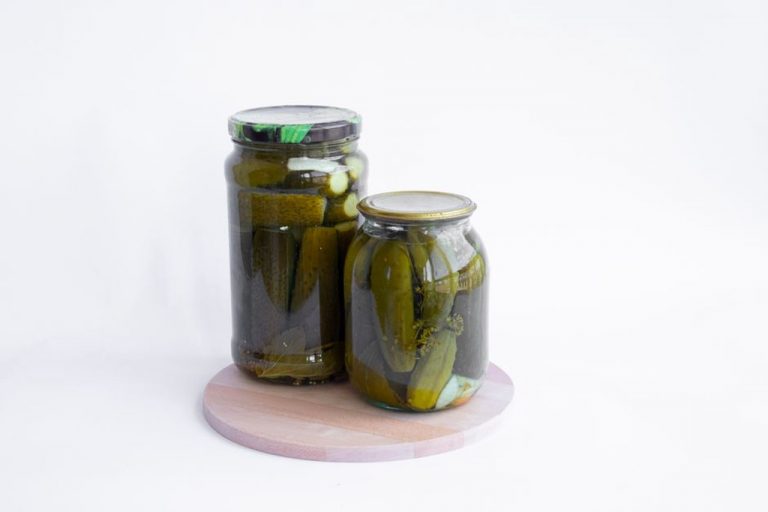
A simple AIP meal can benefit from the addition of a small serving of fermented vegetables — sauerkraut, fermented carrots, or fermented beets. These provide beneficial bacteria and enzymes that support digestion, and they add a tangy flavor that helps replace the missing sour notes from vinegar or citrus (lemons are usually allowed, but fermented foods offer a different profile). In 2016, I kept a jar of homemade fermented rainbow carrots in the fridge at all times. A forkful alongside a bowl of soup or a plate of roasted meat made the meal feel complete. Fermented foods are not required on AIP, but they are a low-effort way to add variety and potential digestive support.
Final Thoughts on the Simple Path
Cooking simply on the Autoimmune Protocol does not mean eating bland or repetitive meals. It means prioritizing nourishment over novelty, and consistency over complexity. The meals that sustained me through the winter of 2016 were not the ones that required a trip to a specialty grocery store or an hour of chopping. They were the ones I could make with what I had, on days when my energy was low and my patience was thinner. If you are starting an elimination diet or have been on AIP for a while and feel overwhelmed, try stripping your cooking back to the core staples. Roast a sweet potato. Sauté a green. Cook a piece of meat. Add broth and herbs. That is enough. That is sustainable.