Back in September 2015, the paleo and AIP forums were full of people asking the same question: how do you exercise when your immune system is already on overdrive? The threads from that month still ring true because the dilemma hasn't changed. Movement helps with metabolism, mood, and sleep—but push too hard and you risk flaring symptoms, stoking inflammation, and burning the energy you need to heal. The conversations didn't land on a single answer, but they did hammer out a framework that still works.
Why Exercise Became a Hot Topic in the Autoimmune Community
By 2015, the paleo movement had already accepted that diet alone can't fix autoimmune conditions. Stress management, sleep, and gentle movement were recognized as pillars alongside food choices. Yet many people on elimination diets reported that their usual workouts—especially high-intensity interval training or long runs—seemed to worsen joint pain, fatigue, and digestive discomfort. Online forums filled with stories of “crashing” after a gym session or noticing a flare following a hard workout. This led to a deeper look at how exercise interacts with the immune system in the context of autoimmunity.
Exercise triggers a short-term inflammatory response as muscles repair and adapt. In a healthy person, this resolves quickly. For someone with a dysregulated immune system, the inflammatory cascade can overshoot or persist, contributing to symptoms. The 2015 conversations emphasized that the goal of exercise during an autoimmune protocol should not be performance or calorie burn, but rather gentle signaling to the body that movement is safe and non-threatening.
Key Principles That Emerged from the 2015 Discussions
Several practical guidelines were pulled together from the shared experiences of community members and the few available research papers at the time. These principles remain relevant for anyone managing exercise with an autoimmune condition today.
- Start below your perceived capacity. If you think you can walk for 20 minutes, try 10. If you feel good after, you can add a few minutes next time. The 2015 threads repeatedly warned against the “no pain, no gain” mindset.
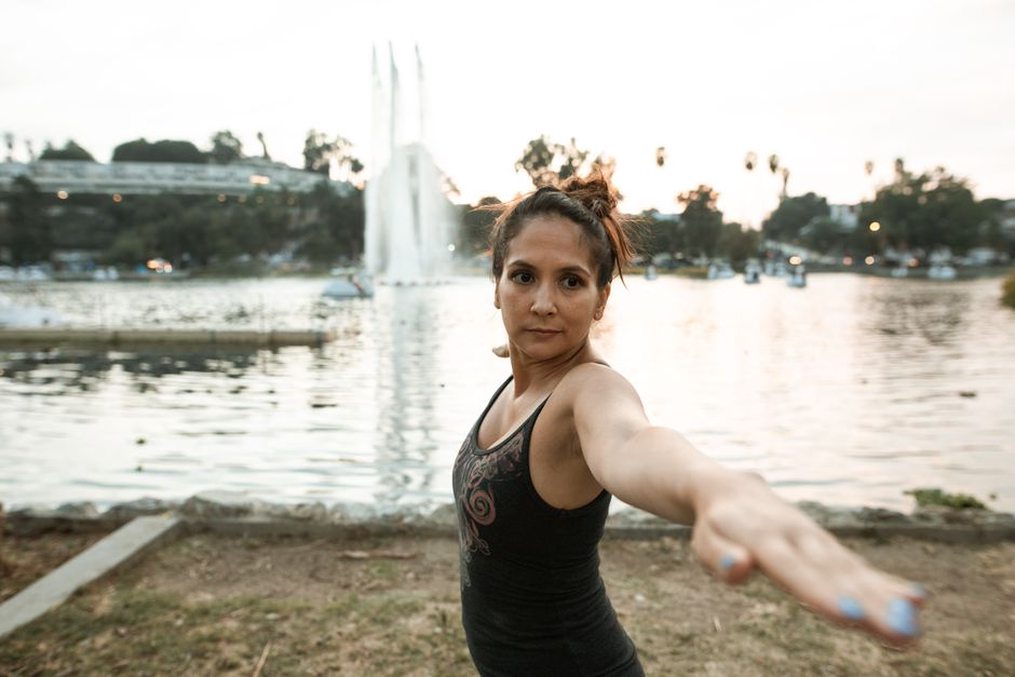
- Prioritize low-impact, rhythmic movement. Walking, swimming, cycling at a conversational pace, and gentle yoga were the most commonly recommended forms. High-impact activities like running or jumping were often associated with increased joint stress.
- Monitor symptoms before, during, and after exercise. Many people kept a simple log: energy level upon waking, joint stiffness, and any digestive changes. This helped identify patterns—for example, that a 30-minute walk caused less fatigue than a 20-minute resistance session.
- Respect the recovery window. After exercise, the body needs extra rest and nutrient-dense food. The 2015 community often discussed the importance of a post-workout meal that includes protein and carbohydrates from paleo-friendly sources, such as a serving of lean meat with sweet potato.
- Avoid exercising during an active flare. When symptoms are elevated—whether joint pain, skin rashes, or gut distress—the consensus was to rest completely or do only very gentle stretching. Pushing through a flare rarely paid off.
The Role of Stress Hormones and Cortisol
A major insight from 2015 was the connection between exercise intensity and cortisol. Chronic autoimmune activation often leads to dysregulated cortisol rhythms. Intense exercise can spike cortisol further, which may worsen inflammation and disrupt sleep. The community learned to favor “parasympathetic” activities—those that calm the nervous system—over “sympathetic” ones that rev it up. This is why a leisurely walk outdoors or a restorative yoga class was often more beneficial than a spin class or heavy lifting session.
One thread from late September 2015 discussed how a reader switched from running three times a week to daily 15-minute walks and noticed her afternoon fatigue and brain fog lifted within two weeks. She didn’t lose fitness, but she gained consistency. That kind of trade-off—trading intensity for regularity—became a recurring theme.

How to Incorporate Exercise into an Elimination Diet Protocol
If you are following an elimination diet such as the AIP, your body is already under the stress of dietary changes and potential withdrawal from foods you previously ate. Adding a new exercise routine at the same time can be overwhelming. The 2015 advice was to stagger introductions: first stabilize on the diet for at least two to four weeks, then slowly add movement. This aligns with the broader Heal Clear: A Step-by-Step Food Sensitivity Protocol That Actually Works, which emphasizes a gradual reintroduction of both foods and lifestyle factors.
During the elimination phase, many people found that even 10 minutes of gentle stretching or a short walk was enough to maintain mobility without taxing their energy. As they moved into the reintroduction phase and identified which foods were triggers, they could experiment with slightly longer or more varied workouts. The key was to treat exercise as a variable to be tested, just like a food.
Practical Tips for Building a Sustainable Routine
Based on the 2015 community wisdom and the underlying physiology, here are actionable steps you can adapt to your own situation:
- Choose a time of day that matches your natural energy. For many with autoimmune conditions, mornings are easier; for others, late afternoon works best. Experiment for a week and note how you feel.
- Keep sessions short and frequent. Five to fifteen minutes daily often yields better results than one hour once a week. Consistency signals safety to the nervous system.
- Use heart rate or perceived exertion as a guide. Staying at a level where you can still hold a conversation (roughly 50–70% of maximum heart rate) helps avoid excessive cortisol release.
- Incorporate grounding or outdoor movement when possible. Several 2015 commenters reported that walking barefoot on grass or dirt seemed to reduce their post-exercise fatigue. While the evidence is anecdotal, the practice is low-risk and may support circadian rhythms.
- Pair exercise with a calming cool-down. End each session with two to three minutes of deep breathing or a gentle forward fold. This helps shift the nervous system back to a rest-and-digest state.
What the Research Said (and Didn’t Say) in 2015
At the time, peer-reviewed studies on exercise in autoimmune populations were limited mostly to rheumatoid arthritis and multiple sclerosis. Those papers generally supported moderate, low-impact activity for improving function and quality of life, but they rarely addressed the nuances of intensity or the interaction with dietary protocols. The paleo community’s self-reported data filled a gap, though it came with obvious limitations. The 2015 conversations were honest about that: they never claimed to replace medical advice, but they did provide a space for shared experimentation. The takeaway was that individual response varies enormously, and the best approach is to listen to your own body while staying within a safe, gentle range.
A Final Word on Pacing and Patience
One woman in the 2015 threads described it perfectly: she stopped aiming for 30-minute runs and started doing 10-minute walks whenever she felt up to it. Over three months, her flares dropped from weekly to once a month. That's the kind of trade-off that works—not chasing a target, but moving with what your body gives you that day. The concept of “pacing,” borrowed from chronic fatigue and fibromyalgia literature, means adjusting your effort based on how you feel each day rather than sticking to a fixed goal. Some days you might only manage a few gentle stretches; other days you might walk for 20 minutes and feel energized. The goal is to avoid the boom-bust cycle where you overdo it on a good day and then crash for the next three. By accepting that your capacity will fluctuate, you can build a relationship with movement that supports healing instead of undermining it.