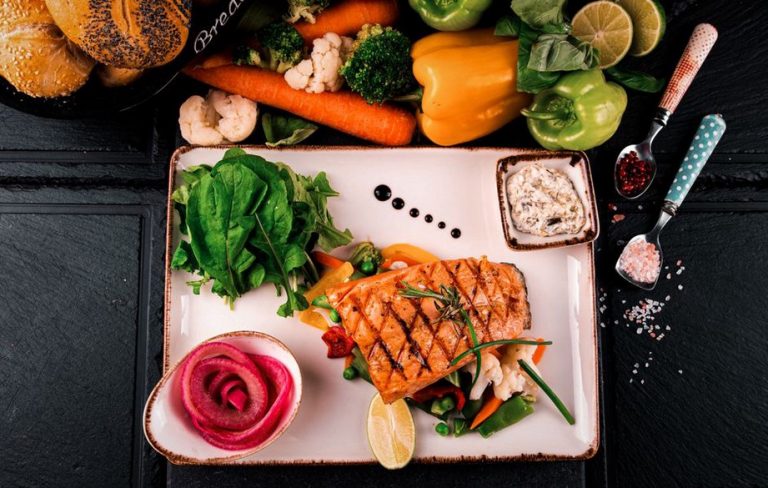

I spent two years tweaking my diet — swapping vegetables, removing eggs, reintroducing liver — only to realize that my bloating and fatigue were still there. That's when I started looking beyond the plate. The paleo community often focuses on food as the primary lever for healing, and for good reason: eliminating inflammatory triggers and increasing nutrient density can produce dramatic shifts. But over time, a pattern emerged in my own experience and in the feedback from readers: diet alone, no matter how strict or well-researched, rarely resolves chronic digestive discomfort or systemic inflammation on its own. What was missing were three foundational pillars that support the body's ability to actually use that good food for repair.
Pillar 1: Sleep and Circadian Alignment
Sleep is not just rest — it is the primary repair cycle for the gut lining, the immune system, and the brain. During deep sleep, the body increases production of growth hormone, which supports tissue repair, including the intestinal epithelium. At the same time, the glymphatic system clears metabolic waste from the brain, reducing neuroinflammation that can indirectly affect gut function through the vagus nerve.
When I did a four-month reset, I learned that diet alone wasn't fixing my issues — I had to address sleep first. In my earlier post "Four Months Back on the Wagon: Lessons from a Paleo Reset", I described how shifting my sleep schedule to align with natural daylight — going to bed by 10 p.m. and waking with the sun — made a noticeable difference in morning bloating and stool consistency. That wasn't a coincidence. Circadian disruption impairs the migrating motor complex, the electrical pattern that sweeps bacteria and debris out of the small intestine between meals. Without that clean-up, even a perfect paleo diet can feed bacterial overgrowth.
Practical steps for better sleep hygiene go beyond the usual "avoid screens" advice. Consider blackout curtains, a consistent wake-up time within 30 minutes every day, and exposure to natural light within the first hour after waking. If you struggle with nighttime waking, check your magnesium status and your evening meal timing — eating too close to bed can raise body temperature and interfere with sleep architecture.
Pillar 2: Nervous System Regulation and Stress Management
The gut is densely innervated by the enteric nervous system, which communicates bidirectionally with the brain via the vagus nerve. Chronic stress keeps the sympathetic nervous system (fight-or-flight) dominant, suppressing digestion by reducing blood flow to the gut, slowing peristalsis, and altering the secretion of digestive enzymes and bile. Even the most carefully chosen whole foods will be poorly absorbed if the body perceives itself to be under constant threat.

Stress management does not have to mean an hour of meditation each day. Small, consistent practices — such as slow diaphragmatic breathing for five minutes before meals, gentle yoga, or even a short walk after eating — can shift the nervous system toward parasympathetic dominance. The key is regularity; the vagus nerve responds to repeated signals over time.
For readers dealing with food sensitivities or autoimmune issues, the link between stress and symptom flares is often underestimated. A stressful week can lower the threshold for reactions to foods that were previously tolerated. Tracking not just food but also stress levels, sleep quality, and emotional state in a symptom diary can reveal patterns that diet alone cannot explain. This is where the interplay between the three pillars becomes visible: poor sleep increases stress reactivity, and high stress disrupts sleep, creating a cycle that undermines even the best dietary protocol.
Pillar 3: Movement and Lymphatic Flow
Movement is the third pillar, but not in the way most people think. While intense exercise has its place, gentle, consistent movement — walking, stretching, rebounding — is more critical for digestive health than high-intensity workouts. The lymphatic system, which removes cellular waste and transports immune cells, has no central pump; it relies on muscle contractions and the rhythmic motion of breathing to circulate lymph fluid. A sluggish lymphatic system can contribute to fluid retention, bloating, and impaired immune regulation in the gut.
Walking after meals is one of the most underrated tools for improving gastric emptying and preventing reflux. A ten-minute stroll after dinner can significantly reduce the time food spends in the stomach, which is especially helpful for those with delayed gastric emptying or gastroparesis. For people with SIBO, gentle movement also stimulates the migrating motor complex — the same mechanism that sleep supports. In my practical guide to recalcitrant SIBO, I noted that motility is often the overlooked factor behind recurring cases; movement is one of the few non-pharmacological ways to enhance it.
That said, not all movement is beneficial for a sensitive digestive system. High-impact exercise can temporarily shunt blood away from the gut and increase intestinal permeability in susceptible individuals. Listen to your body: if you feel nauseous, crampy, or overly fatigued after a workout, consider lowering the intensity and focusing on walking, swimming, or gentle Pilates until your baseline improves.
Weaving the Pillars Together
The three pillars — sleep, stress regulation, and movement — are not separate from diet; they are the soil in which dietary changes take root. A nutrient-dense paleo or elimination diet provides the raw materials for repair, but without adequate sleep, the body cannot use those materials to rebuild the gut lining. Without a calm nervous system, digestion remains compromised. Without movement, waste products accumulate and motility stalls.
Try this tonight: set a consistent wake-up time for tomorrow and commit to getting at least five minutes of outdoor light within 30 minutes of waking. Do not change anything else about your diet yet. Observe how your digestion feels over the next three days. That single shift often reveals just how much healing potential lies outside the plate.