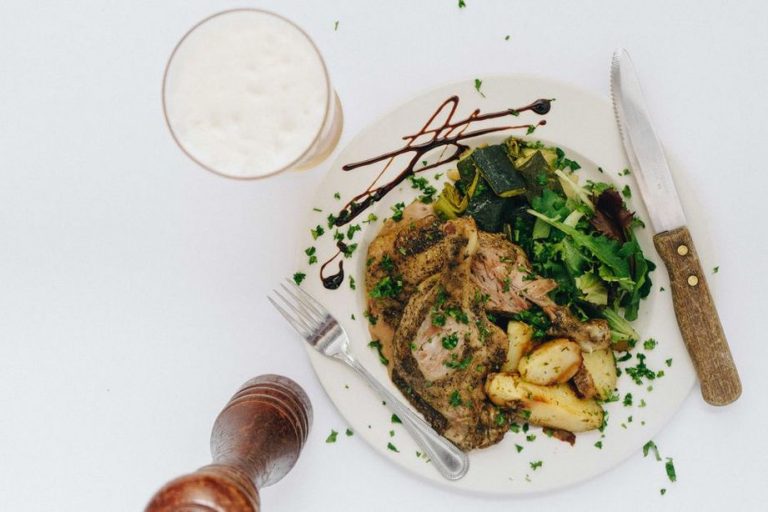

A Paleo plate can be made entirely from whole foods and still leave you underfed or uncomfortable. Eggs, bacon, and coffee may carry one person through to lunch, while someone else feels drained, constipated, or ravenous by midmorning. That is not necessarily a matter of willpower or a “wrong” Paleo food. It may come down to the practical balance of carbohydrate, protein, fat, food volume, activity, sleep, and individual tolerance.
Macronutrients, or macros, are carbohydrates, protein, and fat. They provide energy and serve different functions in the body. Paleo does not come with one universal macro ratio. It is a food-pattern approach centered on minimally processed foods such as meat, fish, eggs, vegetables, fruit, tubers, nuts, seeds, and whole-food fats, while commonly leaving out grains, legumes, refined sugar, and many highly processed foods. Within that framework, macro needs can differ widely.
What each macro contributes on Paleo
Carbohydrates: fuel, fiber, and food variety
On Paleo, carbohydrates usually come from starchy vegetables, fruit, and non-starchy vegetables rather than bread, pasta, cereal, or beans. Potatoes, sweet potatoes, winter squash, plantains, beets, carrots, taro, fruit, and other vegetables contribute different amounts.
It is easy to frame carbohydrate intake as simply “high” or “low,” but the food source, portion, meal timing, and energy demands all matter. Someone with physically demanding work or regular endurance training may find that potatoes or squash support energy and recovery. Someone with a more sedentary routine may prefer smaller portions of starch while still eating plenty of vegetables and fruit.
Plant foods bring fiber, water, potassium, vitamin C, carotenoids, and other nutrients. Still, a sudden increase in fiber-rich vegetables, fruit, or resistant-starch foods can cause gas or changes in bowel habits for some people. Increasing them gradually is often easier to assess than adding several unfamiliar foods at once.
Protein: structure, repair, and satiety
Protein provides amino acids used for muscle tissue, enzymes, immune function, and many other processes. Paleo-friendly sources include fish, shellfish, poultry, meat, and eggs, along with some minimally processed protein foods depending on personal preferences and the version of Paleo being followed.
For everyday meal planning, it is usually more helpful to include a recognizable protein food at most meals than to calculate every gram right away. Protein can improve meal satisfaction, but very large portions do not automatically make a diet better. They may crowd out vegetables, carbohydrate foods, or fats that add variety and enjoyment.
Protein needs vary with body size, age, activity, appetite, pregnancy, health conditions, and personal goals. Anyone with kidney disease or another condition that affects protein intake should seek individualized guidance from a qualified clinician instead of following a high-protein plan from social media.
Fat: energy, flavor, and nutrient absorption
Fat occurs naturally in foods such as salmon, egg yolks, meat, avocado, olives, coconut, nuts, and seeds. It provides energy, improves flavor and texture, and helps the body absorb fat-soluble vitamins from a meal.
Paleo is sometimes presented as a reason to add fat to everything. That is unnecessary. A meal may already contain enough fat if it includes eggs, avocado, fattier fish, or a cut of meat with visible fat. Large amounts of added oil can make meals feel heavy and may reduce appetite for vegetables and other nutrient-dense foods. If rich meals tend to cause digestive discomfort, spreading richer foods across the day may feel better than having them all at once.
Why macro percentages can be misleading
Online macro plans often prescribe fixed percentages of calories from carbohydrate, protein, and fat. Percentages can describe an eating pattern broadly, but they do not show food quality, fiber intake, meal regularity, digestion, or whether a person is eating enough overall. Two meals can have the same macro split and look entirely different: one may include salmon, roasted squash, greens, and olive oil, while the other relies mostly on processed substitutes.
Tracking can also give a false sense of precision. Cooking methods, portions, package labels, and food databases are all estimates. A brief period of tracking may help some people spot patterns, such as little protein at breakfast or too little carbohydrate on active days. For others, the numbers increase food anxiety and make eating feel less flexible. A food-and-symptom journal that records meals, hunger, energy, bowel changes, sleep, and activity can provide more context than macro totals alone.
Build meals before chasing ratios
A practical Paleo meal often includes four elements: protein, colorful plants, a carbohydrate source when it fits the person and the day, and enough fat for flavor and staying power. This approach avoids treating any macro as automatically good or bad.
- Start with protein: include eggs, a palm-sized serving of fish or meat, or another tolerated whole-food source.
- Add plants: use cooked or raw vegetables, fruit, or both. Aim for different colors and textures over the week.
- Choose carbohydrate intentionally: add potato, squash, plantain, or fruit when it supports energy, satisfaction, or meal practicality.
- Include fat as needed: use avocado, olives, nuts, seeds, fatty fish, or cooking fat without assuming every meal needs extra oil.
Chicken breast with a leafy salad may satisfy one person. Another may need roasted sweet potato and avocado to avoid being hungry again an hour later. Neither option is more authentically Paleo. The more useful question is whether the meal is nourishing, tolerable, and workable in the context of the full day.
Adjusting macros for common real-life patterns
| Pattern noticed | A practical food-first adjustment to consider |
|---|---|
| Low energy around workouts | Try including a tolerated starch or fruit in a meal near activity, then observe energy and recovery. |
| Still hungry soon after meals | Check whether meals include enough protein, food volume, and a source of carbohydrate or fat rather than only salad or lean protein. |
| Meals feel uncomfortably heavy | Reduce added fat at one meal and use simpler cooking methods. Avoid changing every variable at once. |
| Digestive changes after “eating cleaner” | Consider whether fiber, raw vegetables, fruit, or rich fats increased suddenly; scale changes back temporarily and reintroduce foods gradually. |
| Frequent grazing | Build a more substantial meal first, with protein and produce, before assuming snacks are necessary. |
These patterns are not diagnoses. Hunger, fatigue, bloating, and bowel changes can have causes beyond food composition, including stress, illness, medication effects, sleep disruption, and insufficient overall intake. Discuss persistent symptoms with a doctor or registered dietitian, especially before making major dietary restrictions.
Paleo macros during elimination diets
Elimination approaches, including the autoimmune protocol (AIP), can temporarily narrow food choices. As a result, carbohydrate intake, protein variety, or total energy intake may drop without being obvious. Some people also end up relying heavily on a single tolerated food. During a structured elimination phase, regular meals built from permitted foods are generally more useful than aggressive macro targets.
Keeping meals and preparation methods reasonably consistent can make later reintroductions easier to assess. When appropriate, introduce one variable at a time and record the portion, timing, and any symptoms without assuming every fluctuation is a food reaction. For meal examples that fit the early protocol, these balanced AIP breakfast ideas for the elimination phase show how protein, produce, and satisfying fats can work together without rigid calculations.

A simple one-day planning example
Consider a day that includes eggs scrambled with zucchini and spinach, berries, and avocado at breakfast; baked salmon with roasted carrots, greens, and potatoes at lunch; and turkey meatballs with squash, sautéed vegetables, and olive oil at dinner. All three macros are present through ordinary Paleo foods. If afternoon hunger remains strong, possible adjustments include more potato at lunch, a larger salmon portion, or a tolerated fruit-and-nut snack. The answer is not automatically to cut carbohydrate or add a spoonful of oil.
When digestive comfort is a concern, change one element for several days when possible. A note such as “added one extra serving of sweet potato at lunch; afternoon energy steadier; no new digestive change” is more useful than forcing every meal into a fixed percentage. Discuss persistent symptoms, major appetite changes, unintended weight changes, or significant dietary changes with a doctor or qualified dietitian.