
Starting Paleo does not require a completely redesigned kitchen or a vow never to eat bread again. A more realistic expectation is that most meals will rely on minimally processed foods, while you gradually learn new shopping, cooking, and eating routines.
Paleo is usually described as a way of eating built around vegetables, fruit, meat, fish, eggs, nuts, seeds, and fats such as olive oil or avocado oil. It generally leaves out grains, legumes, dairy, refined sugar, and highly processed foods. In practice, there is plenty of variation: some people include dairy, white rice, or occasional legumes, while others follow a stricter version for personal reasons. Start by understanding the framework, then make choices that are nutritionally adequate, affordable, culturally workable, and realistic for your life.
Set a goal that is about practice, not perfection
Expect an adjustment period. Shopping may take longer at first, familiar convenience foods may no longer fit your plan, and restaurant meals often call for more flexibility than meals at home. None of that means you are doing it wrong.
Instead of treating Paleo as a test of willpower, pick one or two observable practices for the first two weeks. You might cook dinner at home four nights a week, add two kinds of vegetables to lunch, or swap a packaged breakfast for eggs, leftovers, fruit, and a protein source. These small goals show you what is actually workable.
It also helps to distinguish a Paleo-style pattern from an elimination diet. Paleo is a broad food framework. A medically guided elimination diet is a temporary, structured process used to investigate specific symptoms or conditions. Removing extra foods without a plan can make eating harder and reduce variety. Persistent digestive symptoms, unexplained weight change, anemia, recurrent diarrhea, severe pain, or reactions that may indicate an allergy need medical assessment rather than self-experimentation.
What changes first—and what may not change at all
Some people find meals more filling when they include a clear protein source, vegetables, and enough fat for flavor and satisfaction. Others notice little beyond the practical shift in meal planning. Neither response proves that Paleo is uniquely helpful or unsuitable. Sleep, stress, activity, meal timing, alcohol, medications, total food intake, and the foods replaced by the new pattern can all affect how you feel.
Replacing highly processed snacks and sugary drinks with regular meals may improve meal structure for some people. It is not realistic to expect a diet label to cure autoimmune disease, “repair” the gut, erase food intolerances, or produce immediate energy for everyone. Research on dietary patterns and health is complicated, and individual responses differ. A food that fits Paleo is not automatically tolerated by every person, and a food excluded by Paleo is not automatically harmful.
Digestive changes can happen when fibre intake, fat intake, meal size, or the mix of plant foods changes quickly. More vegetables, nuts, fruit, and root vegetables may raise fibre intake substantially. Bigger portions of fatty meat or added cooking fats may also feel different from your previous routine. Temporary symptoms do not establish a diagnosis. Slower adjustments are usually easier to interpret than changing every meal overnight.
A useful expectation: meals may become simpler before they become varied
For the first week, repeating a few dependable meals can be useful. It reduces decision fatigue and limits food waste. Once the basics feel familiar, expand the range of foods you use. Over time, aim for different vegetables and fruits, several protein sources, and varied cooking methods rather than trying to make every meal perfect.
- Breakfast: eggs with sautéed greens and fruit, or dinner leftovers.
- Lunch: a salad or cooked vegetables with chicken, fish, eggs, or meat, plus olive oil, avocado, or a simple dressing.
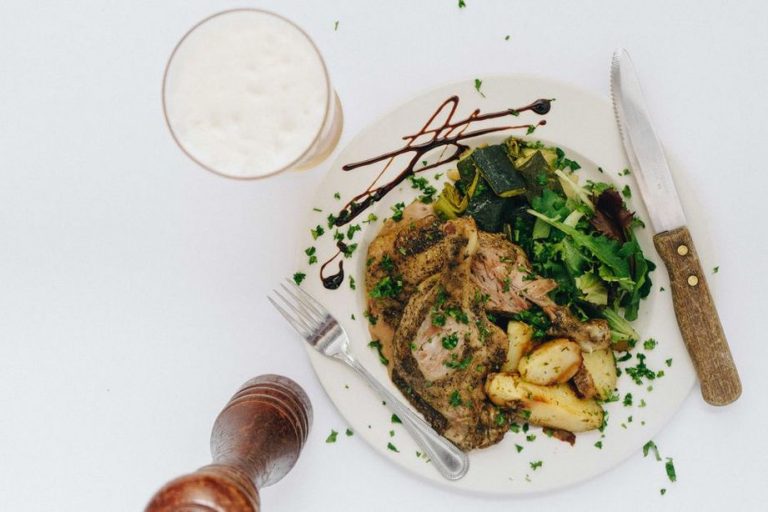
- Dinner: a protein, two vegetables, and a starchy vegetable such as potatoes, sweet potatoes, squash, or plantain if desired.
- Simple snacks: fruit with nuts or seeds, boiled eggs, vegetables with a suitable dip, or leftover protein.
These are templates, not rules. Vegetarian, religious, cultural, budget, and medical needs may call for major adaptations. People who avoid animal foods may find standard Paleo advice especially restrictive because it often excludes legumes and soy foods, despite their usefulness as protein sources in plant-based diets.
Nutritional adequacy matters more than ingredient purity
A common beginner mistake is reducing Paleo to meat, coconut products, and grain-free baked goods. A “Paleo” label does not mean a food is nutrient-dense, affordable, or useful as an everyday staple. Relying heavily on specialty treats can be expensive while providing less fibre and fewer micronutrients than ordinary meals based on whole foods.
Think about the role each part of the meal plays instead:
| Meal component | Practical Paleo-style options | Why it helps |
|---|---|---|
| Protein | Eggs, fish, poultry, meat, shellfish | Supports fullness and makes meals more substantial |
| Vegetables and fruit | Leafy greens, carrots, cabbage, berries, citrus, frozen produce | Provides fibre, vitamins, minerals, and variety |
| Energy-rich carbohydrate foods | Potatoes, sweet potatoes, squash, cassava, plantain, fruit | Can make meals satisfying, especially for active people |
| Fats for cooking and flavor | Olive oil, avocado, olives, nuts, seeds, coconut products | Improves palatability and contributes energy |
Eating enough matters especially for active people, those who are pregnant or breastfeeding, adolescents, older adults, and anyone with a history of restrictive eating. Removing several major food groups can reduce energy intake without you noticing. It may also affect intake of nutrients commonly supplied by dairy, fortified grains, or legumes, including calcium, iodine, fibre, and certain B vitamins. A registered dietitian or clinician can help adapt a restrictive eating pattern to your needs.
For a balanced overview of healthy eating principles that can complement any dietary style, the NHS Eatwell Guide offers useful context on food groups and proportion, even though it is not a Paleo plan.
Make the transition gradual enough to learn from it
Changing meals step by step is often more useful than beginning with a long list of prohibitions. Going gradually does not make you less committed. It makes the approach easier to maintain and lowers the chance that one difficult week gets blamed on a single mysterious ingredient.
- Start with the meals that are easiest to change. Dinner is often a practical place to begin because a protein and vegetables can replace many familiar meals without specialty products.
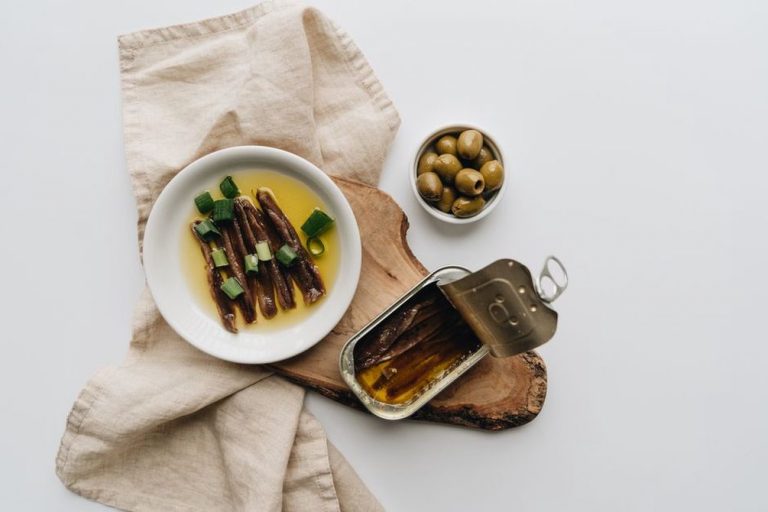
- Keep convenient basics available. Frozen vegetables, canned fish, eggs, pre-washed greens, potatoes, and fruit can prevent the “nothing to eat” problem.
- Choose substitutions based on function. If toast provided convenience, prepare boiled eggs and fruit. If pasta provided a quick carbohydrate, use potatoes or squash. If milk added creaminess, consider whether a sauce, broth, olive oil, or avocado serves the same role.
- Review after one or two weeks. Notice cost, hunger, bowel changes, cooking burden, enjoyment, and social friction. Adjust the method rather than assuming discomfort is something you must endure.
A simple food-and-symptom record can be helpful if you keep it brief and neutral. Note meal timing, broad meal components, relevant symptoms, sleep, stress, activity, and unusual events such as travel or illness. There is no need to record every bite indefinitely or treat one uncomfortable day as proof of an intolerance. Symptoms often have several contributors, and delayed or inconsistent patterns are difficult to interpret without professional guidance.
Personal stories can be useful reminders of how quickly assumptions form around symptoms. This blog’s personal investigation into why a SIBO breath test interpretation was wrong shows how self-diagnosis and overly certain explanations can lead people in the wrong direction.

Be cautious with restrictive “upgrades”
Some beginners move from Paleo directly into a much narrower protocol after reading claims about inflammation, microbiomes, or autoimmune conditions. The autoimmune protocol, often called AIP, removes additional foods for a limited elimination phase and is meant to include thoughtful reintroduction. It is not simply “stricter Paleo,” and it is not intended as a permanent diet for everyone. Its complexity can raise food costs, increase social isolation, and make inadequate intake more likely when it is not carefully planned.
You do not need to eliminate eggs, nuts, nightshades, fruit, FODMAP-containing foods, or all fermented foods because someone else reported feeling better without them. If a clinician recommends an elimination process, ask about the goal, timeline, nutritional adequacy, and reintroduction plan. Reintroductions matter because they can broaden the diet and reduce the risk of avoiding foods indefinitely out of fear.
People with diagnosed medical conditions, a history of eating disorders, diabetes or other conditions that require meal planning, pregnancy, breastfeeding, or growth needs should discuss substantial dietary changes with a qualified healthcare professional. Speak with a doctor about persistent symptoms and before making major restrictions; diet changes should not replace medical evaluation or prescribed care.
Handle social meals and imperfect days as part of the plan
A rigid rulebook can make ordinary life feel like a series of failures. A more workable approach is to identify what matters most to you and where you can be flexible. For one person, reducing a particular category of processed food may be the priority. For another, cooking most meals at home may matter more. At a restaurant, choosing a protein, vegetables, and a simple starch can be a reasonable option even when every ingredient is unknown. At a family meal, one non-Paleo item does not mean you need to skip the meal or abandon the approach.
Cost deserves the same practical attention. Paleo does not require premium cuts of meat, exotic flours, or individually packaged snacks. Frozen produce, eggs, canned salmon or sardines, whole chickens, inexpensive cuts cooked slowly, seasonal vegetables, and potatoes can support accessible meals. Buy specialty substitutes only when they solve a real problem, not because they promise dietary purity.
A first-week plan can be deliberately modest
Try three dinners: roast chicken with potatoes and green beans; salmon or canned fish with salad and baked squash; and a skillet of ground meat with cabbage, carrots, and herbs. Make extra portions for lunch. Keep fruit, eggs, and frozen vegetables on hand. At the end of the week, note one meal that felt satisfying, one task that was inconvenient, and one food category that needs more variety. Use those observations to shape the following week instead of treating Paleo as an all-or-nothing project.