Put drinking water on your emergency checklist before buying another flashlight. The taps may keep running during a power outage, but a water-main break, flood, or local advisory can leave you without safe tap water. Aim to keep enough supplies at home for everyone in the household to manage for at least three days without a store run.
Start with what you already use, then fill the gaps. Your kit needs to suit the people and animals in your home, your climate, and the food your household can eat. Someone avoiding gluten, eating paleo-style, or reintroducing foods after an elimination period may not be able to rely on a box of assorted emergency snacks.
Start with a household-specific checklist
Count the people and pets in your home. Note mobility or communication needs and anything that cannot safely run out. Then consider two situations: staying home and leaving quickly. A larger home kit can hold three days of supplies; a smaller grab-and-go bag should contain what you can carry.
Put the home kit in a labeled container in an accessible, dry spot—not behind seasonal boxes. If flooding is a concern, keep it above the floor. Make sure household members know where it is, and don’t lock away anything you might need during an outage.
Water and food: cover the basics first
Set aside at least one gallon of water per person per day for three days, for drinking and basic sanitation. Allow more for hot weather, pregnancy, nursing, illness, or other individual needs, and include water for pets. Commercially bottled water is a practical option. If you fill containers yourself, follow local public-health guidance. Store water away from heat and chemicals, and follow the dates or replacement guidance on the containers.
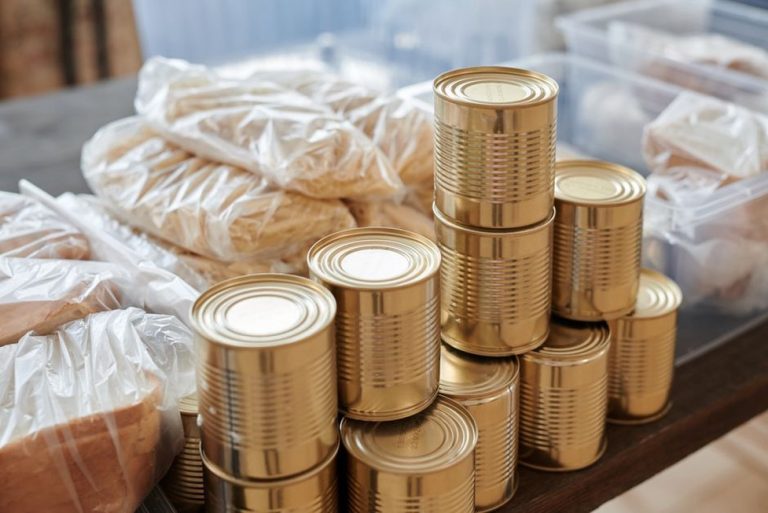
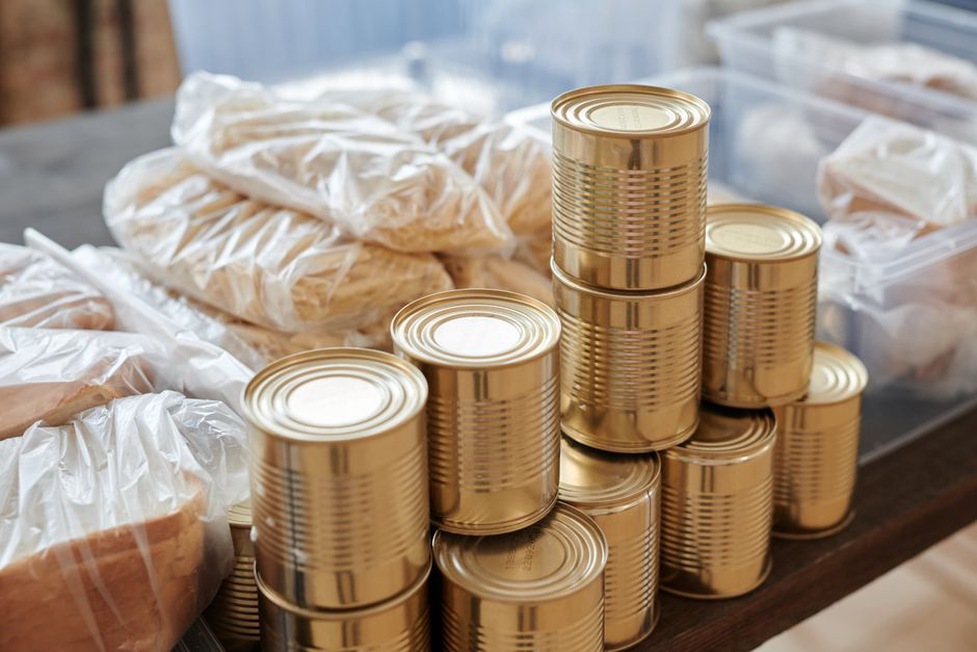
Choose at least three days of shelf-stable food that doesn’t need cooking. If any cans lack pull tabs, pack a manual can opener. Stick with foods people in your household already tolerate; an emergency is no time to try a new protein bar or overhaul your diet.
- Ready-to-eat choices: canned fish or meat, fruit packed in juice, applesauce, crackers, dried fruit, and other foods your household normally eats.
- Energy and variety: pack satisfying combinations rather than relying on sweets. Look for easy-to-open packaging and portions you can finish without refrigeration.
- Individual needs: check labels for allergens, intolerances, and planned food exclusions, including cross-contact warnings where relevant. Add age-appropriate infant feeding supplies if needed.
- Pets: include their usual food, water, bowls, and supplies for managing waste.
An emergency pantry doesn’t have to be perfectly paleo or AIP-compliant if that would leave you short of food. If a restricted diet is medically necessary, keep suitable options on hand and discuss contingency plans with a clinician or dietitian. Discuss persistent digestive symptoms and changes to an elimination or reintroduction plan with a doctor; an emergency kit is not a tool for self-diagnosis.
Light, information, and a way to call for help
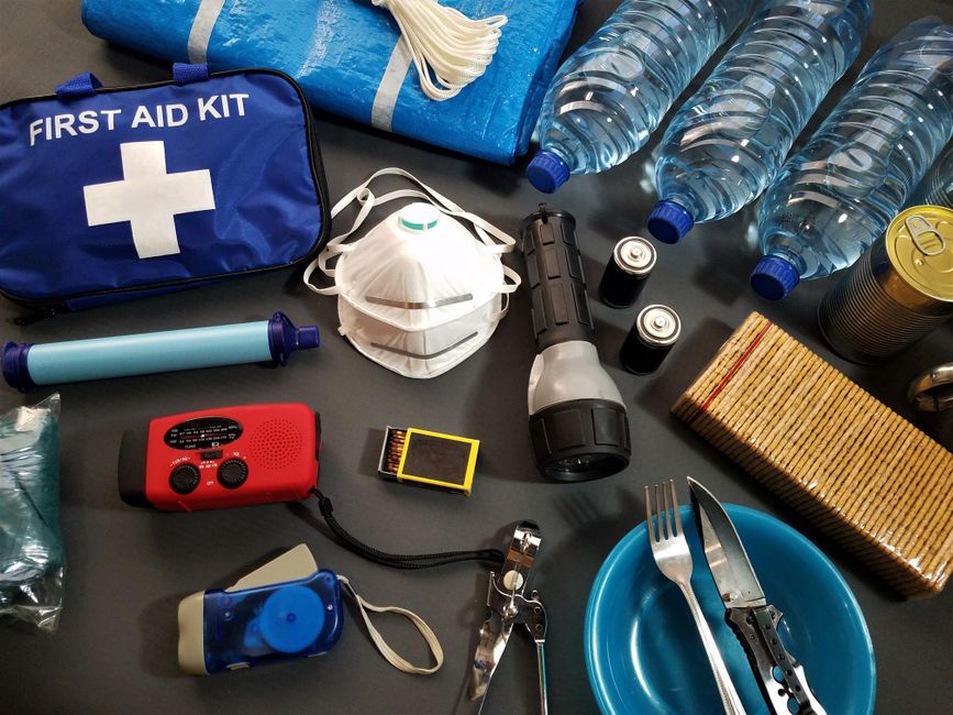
A power outage can affect lighting, charging, internet access, and sometimes mobile networks. Keep flashlights where household members can find them, with spare batteries stored according to the manufacturer’s instructions. A battery-powered or hand-crank radio can provide updates if the internet is down. Add charged power banks and cables that fit your devices, and recharge the banks on a schedule.
Write important numbers on paper: local emergency services, a nearby contact, and someone outside your area who can relay messages. Save local alert information on your phone, but don’t rely on the phone alone. A whistle can help you signal for assistance when calling out is difficult.
Choose battery lights over candles when you can, particularly around children or pets, or if you suspect a gas leak. If you own a generator or camp stove, follow its instructions and use it only in an appropriate location. Never run fuel-burning equipment indoors, in a garage, or near openings where exhaust could enter the home.
First aid, hygiene, and daily necessities
Stock a first-aid kit with supplies you know how to use: adhesive bandages in several sizes, sterile gauze, medical tape, disposable gloves, antiseptic wipes, and a thermometer. Check that packages are intact and replace expired items. Keep a printed list of medications, allergies, and relevant medical information in a waterproof sleeve. If possible, arrange an emergency supply of prescribed medicines through your clinician or pharmacist; storage requirements and refill rules vary.
Add hygiene items that may be hard to get during an outage: soap, hand sanitizer, toilet paper, menstrual products, diapers and wipes if needed, toothbrushes, and sturdy rubbish bags with ties. If water or sewer service stops, follow local sanitation instructions rather than improvising near drinking-water supplies.
Think beyond the first-aid box. Spare glasses, hearing-aid batteries, mobility-device chargers, or supplies for other essential equipment may matter more to someone in your household than extra bandages. If anyone relies on powered medical equipment, discuss backup power and evacuation with their care team and utility provider before an outage.
Documents, warmth, and practical tools
Place copies of identification, insurance details, key medical information, and pet records in a sealed waterproof pouch. Add some cash in useful denominations in case card terminals or cash machines are down. Store the pouch where household members can get to it but casual visitors cannot.
Pack clothing suited to your weather, sturdy shoes, and blankets or sleeping bags. A cold or damp home can become uncomfortable quickly, even if it is safe to stay. Add work gloves, a local map, and a small multipurpose tool if household members know how to use one. Dust masks may help with some cleanup tasks, but they do not replace protective equipment or make a hazardous building safe to enter.
If you may need to shut off home utilities, keep copies of the instructions near the controls. Shut off gas, water, or electricity only when authorities or the utility advise it, or when you know how to respond safely to an immediate problem. After gas service has been shut off, do not restore it yourself unless your utility’s instructions explicitly allow it.
Make a smaller bag for leaving home
Your home kit may be too heavy to take with you. For an evacuation, prepare a bag for each person or assign a shared bag. Prioritize water, ready-to-eat food, essential personal supplies, document copies, a phone cable, a flashlight, weather protection, and anything children or pets need. Keep bags light enough to carry and leave heavier supplies in the home kit.
Agree on one meeting place outside your home and another outside your neighborhood. Put both locations and an out-of-area contact on a card in each bag. If your area has a known hazard, follow local evacuation guidance; the safest route and time to leave depend on the event.
Check the kit twice a year
A forgotten kit can end up with flat batteries, clothes children have outgrown, or food nobody can eat. Choose two dates each year to inspect it, using this quick audit:
| Check | What to do |
|---|---|
| Food and water | Check packaging and dates; replace items nearing the end of their recommended storage period. |
| Power and light | Test flashlights and radio; charge power banks and confirm cables fit current devices. |
| Personal supplies | Update clothing sizes, pet supplies, medical information, and any arranged prescription backup. |
| Contacts and documents | Confirm numbers, meeting places, copies, and the location of the kit. |
Move still-good food you replace into your regular pantry, then put the newly purchased supplies in the kit. Tape the next check date to the outside of the container so you can see it without unpacking everything.