
Starting the Autoimmune Protocol with an empty pantry can make day one much harder than it needs to be. A calmer approach is to keep a few dependable meals on hand, change one practical layer at a time, and treat the elimination phase as a period of structured observation rather than a test of willpower. AIP is a highly restrictive paleo-style elimination diet, so persistent symptoms and major dietary changes should be discussed with a physician or registered dietitian—especially during pregnancy, with a history of eating disorders, if you are underweight, manage diabetes, or take medication.
The initial AIP elimination phase typically excludes grains, legumes, dairy, eggs, nuts, seeds, nightshade vegetables, alcohol, coffee, and many processed foods. Meals generally center on vegetables, fruit, meat, fish, shellfish, and fats such as olive oil, avocado, and coconut. Details vary among practitioners, but the purpose is not to classify foods as permanently “good” or “bad.” It is to establish a temporary, nourishing baseline before testing foods back one at a time.
Start with preparation, not perfection
AIP can alter breakfast, snacks, sauces, cooking fats, and the usual shape of a meal all at once. Trying to work out every change during a busy week often leads to skipped meals and discouraging last-minute choices. Give yourself a short preparation period—often a few days to two weeks—to understand the framework and build a small meal rotation.
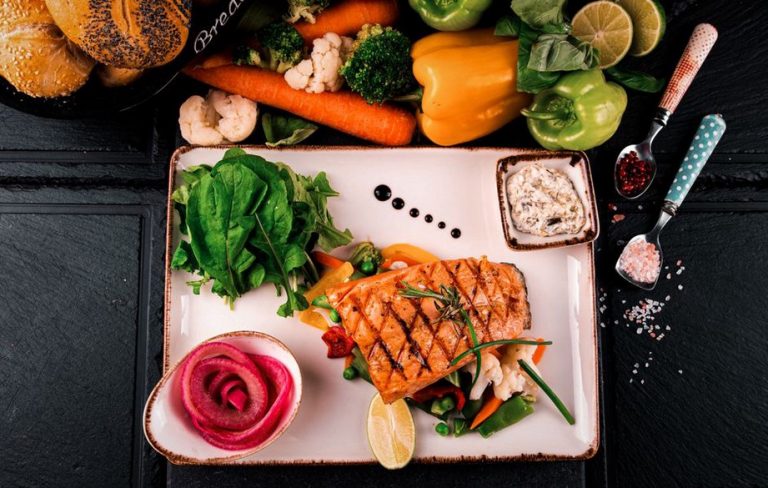
Start by listing meals you already enjoy that are close to compliant. A roast chicken dinner may only need rice or potatoes swapped for roasted sweet potato, plantain, squash, or another tolerated starchy vegetable. A stir-fry can work with coconut aminos instead of soy sauce and a sauce free of chili, pepper, and seed-based spices. Familiar cooking methods reduce the mental load.
Use a simple meal template:
- Protein: meat, poultry, fish, or shellfish, based on your preferences and access.
- Color and volume: cooked or raw vegetables chosen with digestive comfort in mind.
- Carbohydrate: root vegetables, winter squash, plantain, fruit, or other AIP-compatible options.
- Fat and flavor: olive oil, avocado, coconut products, herbs, garlic, ginger, citrus, vinegar if tolerated, and salt.
There is no need to force a very low-carbohydrate intake. Restricting foods while also undereating can contribute to fatigue, intense hunger, poor concentration, and an overly narrow diet. Portions should reflect appetite, activity level, body size, and medical needs rather than a universal macro target.
Create a transition plan that fits real life
Some people prefer a clear start date, while others do better removing categories in stages. Neither approach is automatically better. A gradual transition can help when cooking skills, budget, family routines, or digestive comfort need attention first. A defined start may suit someone who finds partial rules confusing. The practical question is which method makes it easier to eat adequately without increasing stress or food fear.
A five-step runway
- Choose a manageable start period. Avoid beginning during travel, a major deadline, or a week when shopping and cooking are unrealistic. A quieter stretch makes observation easier.
- Stock three breakfasts, three lunches, and three dinners. Repetition is useful at first. You can expand variety once the routine feels stable.
- Replace before removing. Have satisfying alternatives for coffee rituals, crunchy snacks, sandwich-style lunches, and quick evening meals before clearing out familiar foods.
- Prepare components rather than elaborate recipes. Roast vegetables, cook a protein, wash greens, make a simple dressing, and keep fruit available. These pieces come together quickly.
- Tell relevant people only what helps. A brief explanation such as “I’m following a temporary elimination plan and have brought food” may be enough for a host or coworker.
A gradual lead-in does not need to become vague or endless. For example, you might spend the first week practicing AIP breakfasts and lunches while using up regular dinner staples, then begin the full elimination phase on a planned date. The observation period begins only when the selected elimination framework is followed consistently enough to create a useful baseline.
Make the kitchen do more of the work
Ingredient labels matter because foods that seem simple can contain unexpected additions. Spice blends may include pepper or seed spices; deli meats and broths may contain sweeteners, dairy, legumes, or additives; sauces can include soy, wheat, or nightshade ingredients. Reading labels does not mean hunting for microscopic traces or becoming suspicious of every food. It is a practical way to avoid major excluded ingredients while you learn the basics.
Keep the early pantry modest. A useful starter list might include canned fish or salmon, frozen vegetables, olive oil, coconut milk without unwanted additives, compliant broth if you use it, root vegetables, onions, garlic, herbs, fruit, and a few quick-cooking proteins. Frozen produce is often economical and convenient, not a nutritional compromise.
Plan for the moments that usually derail meals
| Common moment | Low-effort AIP option |
|---|---|
| Rushed morning | Leftover meat and roasted sweet potato with fruit |
| Lunch away from home | Prepared salad with plain protein, olive oil, and a baked potato or fruit |
| Afternoon hunger | Fruit with leftover chicken, turkey slices with a simple ingredient list, or soup |
| No energy to cook | Frozen vegetables sautéed with pre-cooked protein and olive oil |
| Need for a comforting meal | Sheet-pan chicken with squash, carrots, onions, and herbs |
If bloating, constipation, loose stools, or other discomfort appear during dietary changes, try not to respond by removing more and more foods at once. Changes in fiber type, meal timing, fat intake, hydration, and stress can all affect digestion. Large portions of unfamiliar vegetables or a sudden increase in coconut products may also be difficult for some people. Smaller portions, cooked vegetables, steady fluid intake, and gradual changes are usually easier to assess than a cascade of new restrictions. The discussion in Paleo, AIP, and Gut Microbiota: Supporting Digestive Adaptation Gradually offers helpful context on gentler dietary transitions.
Protect nutrient density during elimination
Restriction does not automatically create a nutrient-dense diet. A plate of compliant packaged snacks may fit an AIP framework but still provide little protein, fiber, iron, calcium-containing foods, or dietary variety. A more sustainable pattern rotates foods instead of relying on chicken and sweet potato at every meal.
Over the course of a week, aim for different colors of vegetables and fruit, varied protein sources where appropriate, seafood when it is accessible and acceptable, and nourishing carbohydrate sources. Leafy greens, cruciferous vegetables, orange vegetables, berries, citrus, mushrooms, onions, and herbs can all broaden the menu. People with allergies, kidney disease, anemia, digestive disorders, or other health conditions may need individualized guidance rather than a generic plan.
Be cautious about calling every uncomfortable sensation “detox.” Headaches, fatigue, mood changes, constipation, reflux, rashes, pain, and bowel changes can have many causes. A restrictive diet should not be used to explain away significant or persistent symptoms. Seek medical advice promptly for severe symptoms, signs of an allergic reaction, dehydration, blood in stool, unintentional weight loss, fainting, or worsening health.
Use a simple symptom record without turning food into a surveillance project
A short record can make the process more useful, but it needs to be sustainable. Rather than rating every bite, note meals in broad terms and record a few outcomes at consistent times: digestive comfort, stool changes, energy, sleep, pain, skin changes, and mood. Include non-food influences such as illness, menstrual cycle changes, disrupted sleep, travel, alcohol exposure, intense exercise, and unusual stress. Without that context, one meal can appear more important than it was.
Keep observations descriptive. “Abdominal discomfort began after dinner and lasted two hours” is more useful than “this food is toxic.” A symptom that happens once does not prove a trigger. Repeated patterns under similar conditions are more informative, but substantial symptoms should still be interpreted carefully with a qualified clinician.
Decide when the elimination phase is stable enough
There is no universal timeline that proves an elimination phase has “worked.” Extending restriction because certainty feels out of reach can make social eating and adequate nutrition more difficult. Before considering reintroduction, look for a period when meals are consistent, nutritional intake is reasonably adequate, routines feel manageable, and the symptoms you are tracking have been relatively stable. If symptoms remain severe, confusing, or unchanged, discuss them with a healthcare professional rather than tightening the diet further.
Reintroduction is an essential part of a well-managed AIP process, not a failure of commitment. It can help identify foods that allow the diet to become less restrictive. Usually, one food is tested at a time in a deliberate amount while the rest of the diet stays steady, followed by an observation period before the next test. The sequence and timing should be individualized, especially for anyone with a diagnosed condition, known allergy, or history of serious reactions.

Keep the first week intentionally ordinary
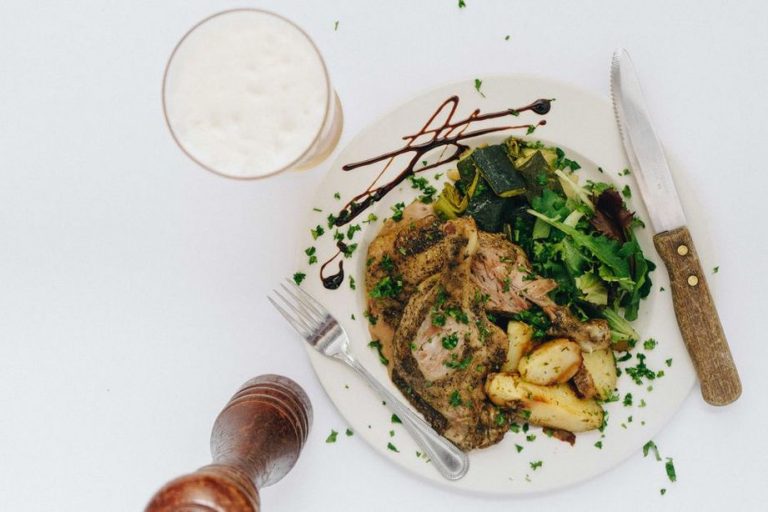
The most sustainable AIP start is often less dramatic than social media suggests: repeat a few dependable meals, eat enough, keep ingredients recognizable, and do not judge progress by daily symptom changes. Turkey with sautéed zucchini, roasted squash, olive oil, and herbs is a useful dinner even if it is not visually elaborate.
Once a meal is easy to make and sits comfortably, change just one element at a time. Try a different leafy green, or make fish for one dinner. Small adjustments add variety without turning the first week into an experiment with too many moving parts. If symptoms persist or dietary changes become difficult to manage, speak with a physician or registered dietitian before adding further restrictions.