Almonds are easy to grab, but a handful may not appeal when you’re already bloated. Leftover chicken with peeled cucumber takes little more effort and gives you a different mix of protein, fat, and fiber. Rather than looking for a snack that’s “gut-friendly” for everyone, consider what fits your appetite, schedule, and tolerance today.
Paleo snacks generally leave out grains, legumes, and conventional dairy. Fruit, vegetables, eggs, nuts, seafood, and meat are common choices, but a paleo label tells you little about how a snack will feel afterward. Portion size, texture, preparation, and the foods you combine can all matter.
Build a snack around the job it needs to do
First, ask how long it needs to hold you over. If lunch is an hour away, a piece of fruit may be enough. If dinner is several hours off, adding an egg or some cooked meat may make that fruit more satisfying. And if you regularly need a large snack, your earlier meal may simply have been too small. You don’t necessarily need another snack rule.
When digestive comfort is a concern, start with foods you know rather than several new ingredients at once. A simple snack makes it easier to spot a food or portion that bothers you consistently. If raw produce feels rough on your stomach, try it peeled or cooked. Cooking softens the texture; it won’t make every food tolerable.
Quick paleo snack ideas
Protein-centered options
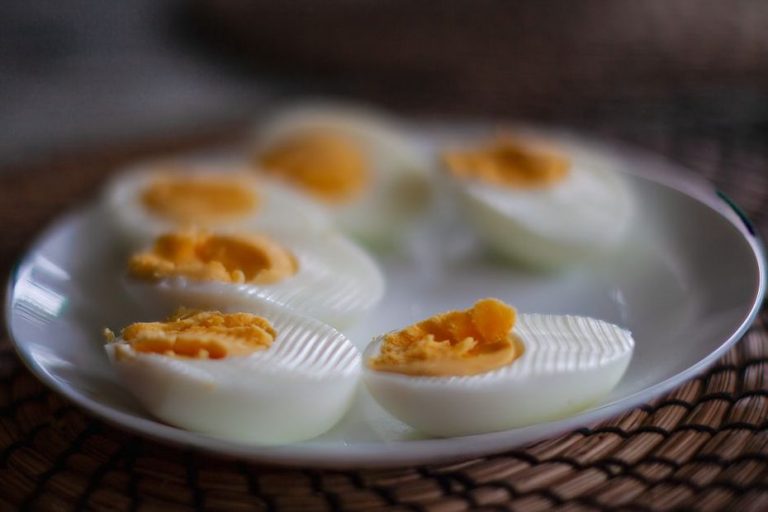
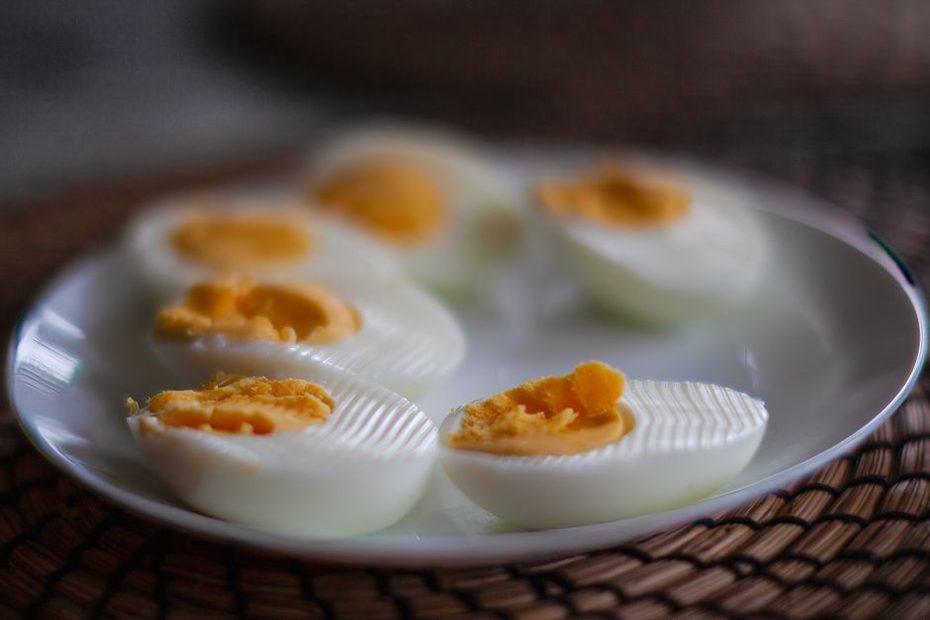
- Hard-boiled egg with peeled cucumber. Cook eggs ahead and refrigerate them promptly. Pair one with a few cucumber slices for something crisp and simple. Skip it if eggs are a known trigger or excluded from your current plan.
- Leftover chicken and soft cooked carrots. Set aside a small portion while making dinner. Cold chicken is convenient; if you prefer it warm, reheat it gently. Follow safe storage and reheating practices either way.
- Plain canned salmon with cucumber or lettuce leaves. Check the label for ingredients that matter to your diet. A little olive oil adds moisture without a heavy, creamy sauce.
- Homemade meatballs or patties. Make a batch with ingredients you already tolerate and freeze individual portions. Check the seasonings against your plan, especially during an elimination phase.
These options help when you need a snack with staying power, but they needn’t be large. Start with a modest serving and have more if you’re still hungry. Rich sauces, a lot of added fat, or a pile of raw vegetables can change how the same basic snack feels afterward.
Fruit and vegetable options
- A small banana with a spoonful of nut butter. Easy to pack, though a generous serving of calorie-dense nut butter can feel heavy. Choose nuts you tolerate and that your current plan permits.
- Stewed apple or pear with cinnamon. Simmer peeled fruit in a little water until soft, then refrigerate portions. Cooking changes the texture, but the fermentable carbohydrates in apples and pears can still cause symptoms for some people.
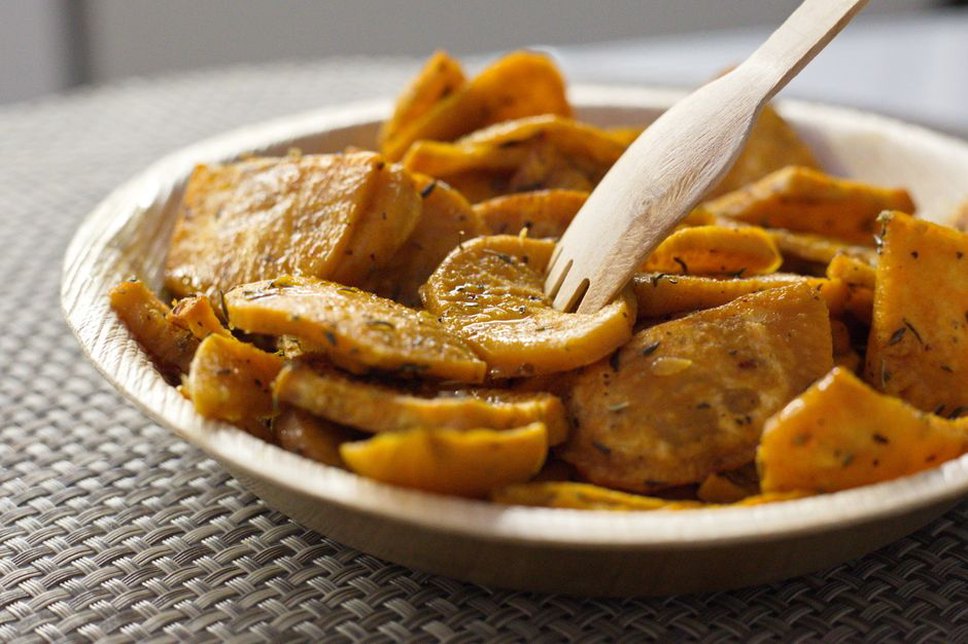
- Roasted sweet potato rounds. Cook a tray until tender and keep portions ready to reheat. Plain rounds make it easier to judge your response than heavily seasoned chips; adjust the amount to your appetite.
- Melon or berries with leftover turkey. The turkey makes the fruit more substantial. Choose a fruit you already know sits well with you rather than assuming all fruit will feel the same.
Fruit isn’t automatically easier on digestion than vegetables, or the other way around. A large fruit bowl brings more fiber and fermentable carbohydrate than a small serving. A plate of raw cauliflower is also quite different from a few bites of cooked carrots. For more context on changes people may notice when shifting their overall eating pattern, see Paleo and Digestion: What Might Change, and How to Tell.
Portable choices for days away from home
- A small packet of plain nuts or seeds. Portion it before you leave rather than eating from a large bag. Nuts and seeds don’t suit everyone and are commonly excluded during the elimination phase of the autoimmune protocol (AIP).
- Unsweetened fruit purée pouch plus a protein food. Read the ingredient list: “paleo” on the front says little about portion size or added ingredients. Add an egg or safely packed leftover meat if you need something more filling.
- Commercial meat snacks with simple ingredients. Check for added sugar, grain-based fillers, and seasonings you avoid. Shelf-stable products are handy, but homemade or refrigerated versions need temperature control.
Pack perishable snacks in an insulated bag with an ice pack, and follow the product’s storage instructions. Without refrigeration, nuts, whole fruit, or genuinely shelf-stable packaged foods are simpler choices.
What “digestive-friendly” can and cannot mean
No single snack improves digestion for everyone. Fiber supports normal bowel function and gives gut microbes material to use, but a sudden large increase may bring gas or discomfort. Fermented foods are often presented as essential for gut health; they’re optional, and tolerance varies. Microbiome research doesn’t justify a promise that one snack will repair it.
Before excluding another food, look at preparation and amount. If an apple with a large scoop of almond butter leaves you uncomfortable, try a smaller fruit serving, a thinner spread, or a different snack on a separate day. Changing one element at a time tells you more than cutting out fruit, nuts, and all raw foods together.
Timing can muddy the picture, too. Eating quickly between meetings, grazing all afternoon, or having a large snack just before a meal can make it hard to judge what amount feels comfortable. Eat when you’re hungry, and give yourself time to notice whether the snack satisfies you.
Adjust the ideas for an AIP elimination phase
Paleo and AIP aren’t interchangeable. AIP elimination removes additional foods that often appear in paleo snacks, including eggs, nuts, seeds, and nightshades. Details vary by the version of the protocol you follow. During elimination, chicken with cooked carrots, plain salmon with cucumber, or turkey with a fruit you tolerate may be simpler starting points. Check packaged foods for spice blends and other ingredients that don’t fit your plan.
Elimination is meant to be temporary, with a planned process for bringing foods back—not an ever-shrinking permanent menu. Broad restrictions can make it harder to eat enough and get variety. Discuss persistent symptoms and dietary changes with a doctor. A registered dietitian can help plan snacks and reintroductions around your health needs. An exclusion diet is not a substitute for medical care.
Make the easy choice available
A short prep routine is usually more useful than an elaborate snack recipe. Choose one protein, one produce option, and one shelf-stable backup for the next few days:
- Cook extra chicken or turkey with a meal you were already making, or prepare eggs if you eat them.
- Wash fruit and cut vegetables you’ll eat soon. Cook a batch of carrots or sweet potato if softer textures work better for you.
- Put single portions in clearly marked containers and note when you prepared them. Refrigerate perishables promptly.
- Keep plain nuts, whole fruit, or a suitable shelf-stable meat snack somewhere you can actually use it.
For a three-day rotation, you could pack chicken with cooked carrots on day one, a boiled egg with peeled cucumber on day two, and reheated sweet potato rounds with leftover turkey on day three. Swap anything you know you don’t tolerate. If a snack repeatedly causes discomfort, note what you ate, roughly how much, and when. That record is more useful than ruling out a whole food group after one episode—and worth sharing with your doctor if symptoms persist.