A large paleo dinner of steak, roasted vegetables, and avocado gives your digestive system protein, fat, and plant fiber to handle at once. Enzymes help break down the protein and fat, but they cannot make every part of the meal equally comfortable to eat. Feeling bloated afterward does not, by itself, mean you lack enzymes.
What digestive enzymes actually do
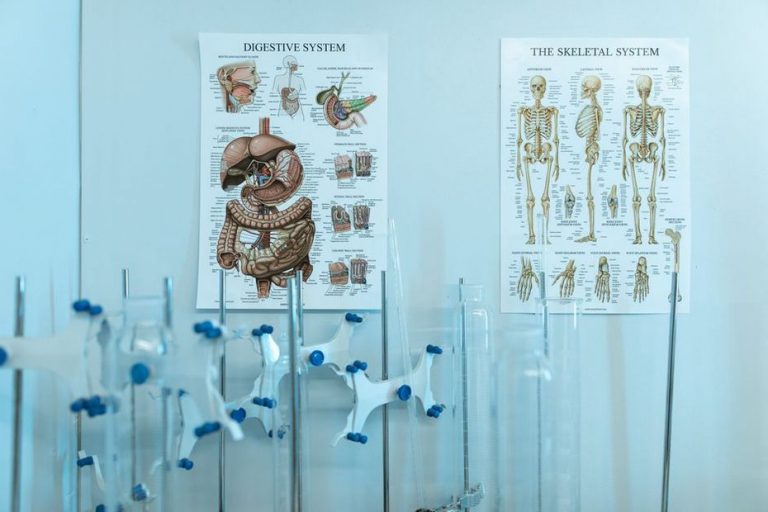
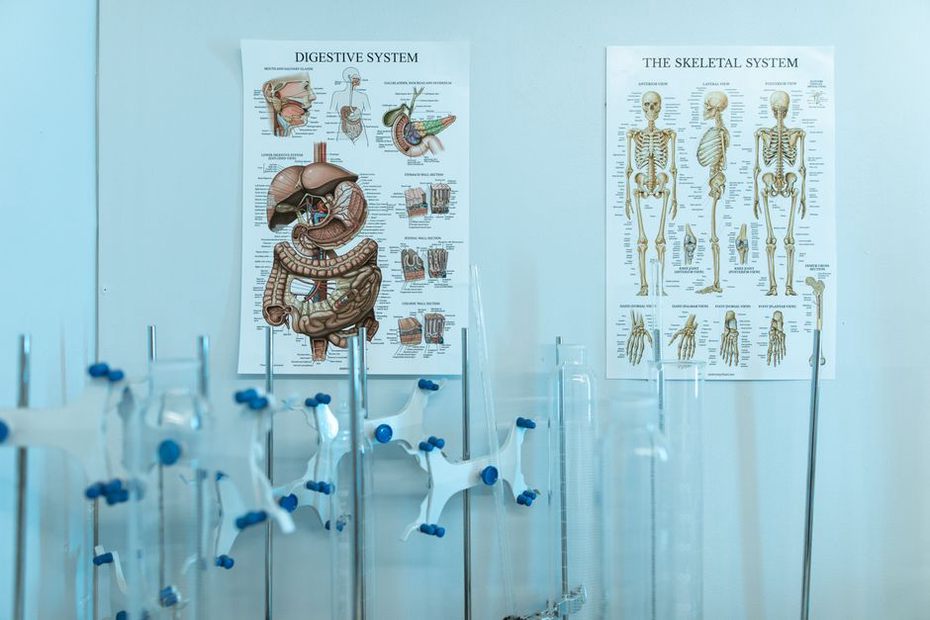
Digestion begins before food reaches the small intestine. Chewing breaks food into smaller pieces, and salivary amylase starts working on starch. In the stomach, acid helps unfold proteins so pepsin can act on them. Most chemical breakdown happens in the small intestine, where the pancreas releases enzymes for carbohydrates, proteins, and fats. Enzymes at the intestinal lining finish breaking down some sugars. Bile helps disperse fat so lipase can reach it, though bile is not an enzyme.
Each enzyme has a particular job. Proteases break proteins into smaller peptides and amino acids; lipase breaks down dietary fat; and amylase acts on starch. Lactase, produced at the small-intestinal surface, splits lactose, the sugar in milk. These are specific tools, not a general digestive boost. Extra protease, for example, will not solve discomfort caused by a large serving of fermentable vegetables.
What changes when you eat paleo?
A paleo-style diet commonly removes grains and legumes while emphasizing meat, fish, eggs, vegetables, fruit, nuts, and seeds. That changes the mix of foods reaching the gut, but it does not automatically increase your need for enzymes or cause a deficiency. The pancreas normally adjusts its secretions to meals with different amounts of fat, protein, and carbohydrate.
A quick change in meals can still feel significant. Toast at breakfast might give way to eggs, sausage, and avocado; lunch might include a generous handful of nuts. Higher-fat portions can feel heavy. A sudden increase in raw vegetables or dried fruit can also cause gas when gut microbes ferment material that reaches the colon. Neither response proves that enzyme production is low.
Human digestive enzymes do not fully break down the fiber in plant cell walls. That is normal. Cooking vegetables until tender can change their texture and may make a serving feel more comfortable, but it does not make fiber completely digestible by human enzymes. An autoimmune protocol (AIP) restricts food choices further; following it does not, on its own, establish a need for enzyme supplements.
Symptoms are clues, not an enzyme test
Discomfort after a meal can reflect portion size, eating speed, constipation, food sensitivity, reflux, or a change in fiber intake. Even if it follows fatty food, insufficient lipase is not necessarily the cause. Persistent symptoms call for a clinical assessment, not an ever-shorter list of foods.
Pancreatic enzyme insufficiency is a medical condition in which the pancreas does not deliver enough digestive enzymes. It can occur with conditions affecting the pancreas and may be associated with greasy stools that are difficult to flush, diarrhea, unintended weight loss, or nutritional deficiencies. Speak with a clinician about those signs rather than trying to confirm a diagnosis with an over-the-counter product. A clinician can decide whether testing or prescription pancreatic enzyme replacement is appropriate.
Food-specific enzyme issues are different. Someone who has trouble digesting lactose may notice symptoms after dairy, although many paleo eaters avoid dairy already. If one food repeatedly causes a reaction, do not assume an enzyme supplement will make it safe, especially if an allergy or another medical condition is possible.
Where supplemental enzymes fit—and where they do not
Enzyme products often come with broad promises, but evidence for routine use among otherwise healthy people eating paleo is limited. Products vary in the enzymes they contain and the amount of active enzyme they provide. No single blend addresses every food-related cause of discomfort. Prescription pancreatic enzymes have a different purpose: they are used under medical supervision for diagnosed insufficiency.
Enzymes do not repair the intestinal lining, treat autoimmune disease, or remove the need to investigate ongoing symptoms. If a food causes a repeatable problem during AIP reintroduction, adding a supplement to mask the response could make the result harder to interpret. Discuss persistent symptoms, supplement use, and substantial diet changes with a doctor, especially if you have a diagnosed condition or take medication.
A more useful first check after an uncomfortable meal
Look at the meal's structure
Before blaming enzymes, note what was on your plate and how much you ate. A few details can make your next meal easier to compare without cutting another food group:
- Fat load: Did the meal combine added oil, fatty meat, nuts, and avocado? A smaller portion of one fat-rich item may be easier to assess.
- Vegetable form: Did raw cruciferous vegetables replace a familiar cooked side? Try a cooked portion and note whether it feels different.
- Eating pace: Was the meal rushed or unusually large? Eating more slowly and choosing a comfortable portion may help you distinguish meal-size effects from food-specific ones.
- Timing: Did symptoms begin right away, hours later, or after several days of changed eating? Timing cannot diagnose the cause, but it makes your notes more useful to a clinician.
Keep the comparison simple. If a large steak dinner with cauliflower and avocado felt uncomfortable, you might next have a familiar portion of steak with cooked carrots and your usual amount of fat. Changing all three foods, adding an enzyme blend, and skipping the next meal would make the result hard to interpret.
Know when not to keep experimenting
Seek medical advice if symptoms persist, worsen, or interfere with eating, or if you have unintended weight loss, blood in your stool, repeated vomiting, or signs of dehydration. Severe or sudden abdominal pain needs prompt medical attention. If an elimination diet has narrowed your meals substantially, review it with a doctor or registered dietitian rather than cutting more foods to pursue an untested enzyme explanation.
For an ordinary meal comparison, write down the ingredients, approximate portions, cooking method, and when symptoms appeared. Bring that record to a doctor if discomfort continues. It gives them more to work with than “paleo food upsets my stomach,” without assuming enzymes are the cause.