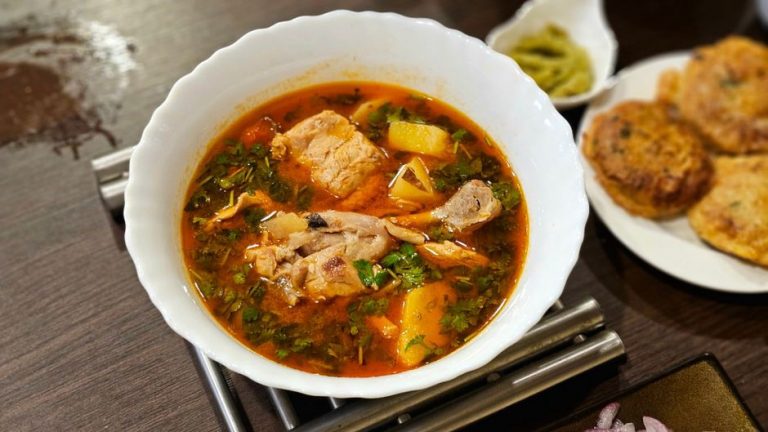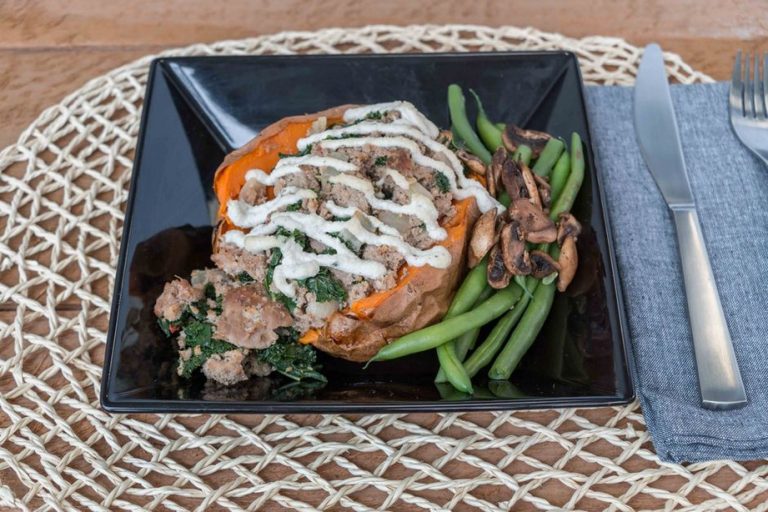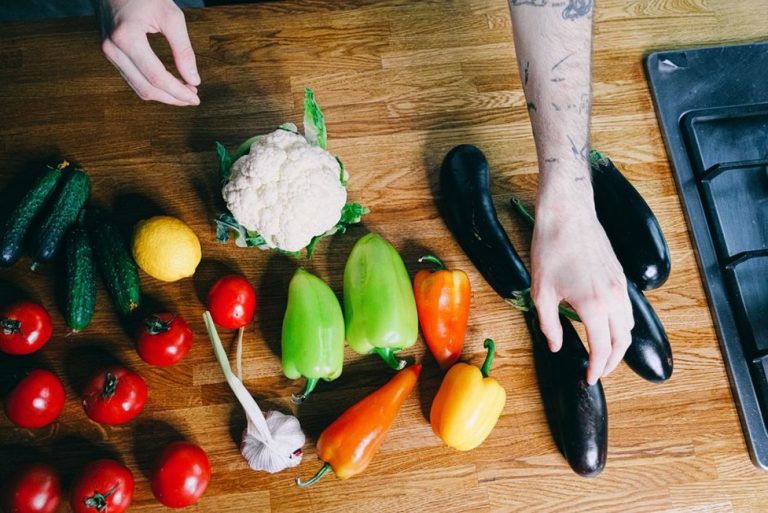
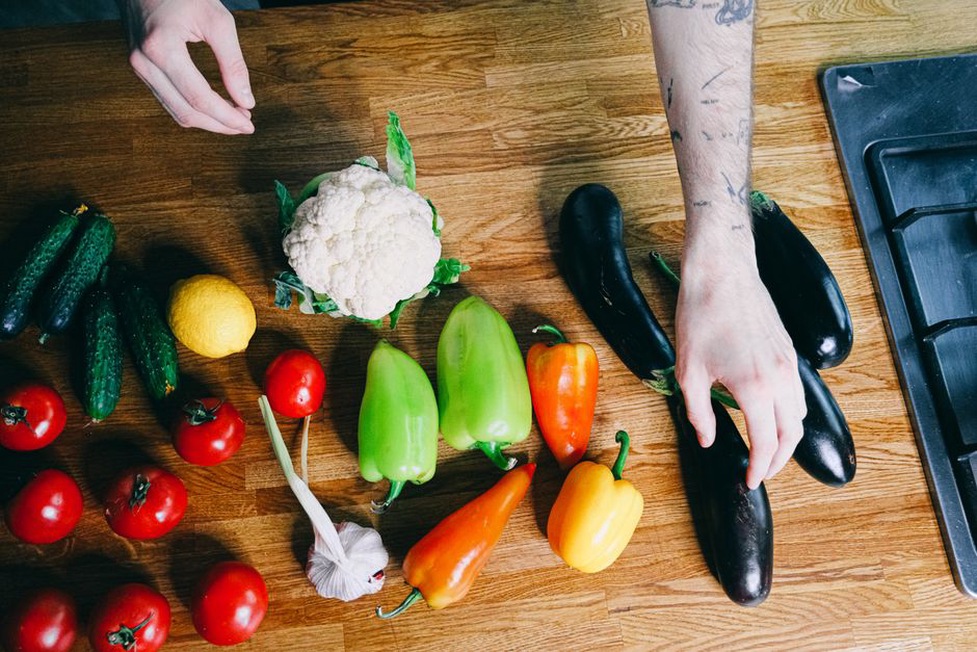
Tomatoes in a sauce, peppers in a stir-fry, paprika on roast meat: a paleo meal can include nightshades without anyone giving them much thought. If you feel uncomfortable afterward, it is easy to blame the whole plant family. But the portion, preparation, and other ingredients may be better clues than the botanical label.
Which paleo foods are nightshades?
Nightshades are members of the Solanaceae plant family. Familiar edible examples include tomatoes, white potatoes, sweet and hot peppers, eggplant, and tomatillos. Chili powder, cayenne, paprika, red pepper flakes, and some pepper-based sauces also come from nightshades. Black pepper is not one; neither are sweet potatoes or yams. Ground cherries and goldenberries are less common edible nightshades.
Paleo eating does not automatically exclude them. Tomatoes and peppers often fit into paleo-style meals, while views on white potatoes vary. The autoimmune protocol, or AIP, commonly removes nightshades during its initial elimination phase, along with other food groups, before considering reintroduction. That rule does not mean nightshades are harmful to everyone with an autoimmune condition.
They can also turn up in less obvious places: paprika in a seasoning blend, tomato paste in a broth, or a chili-based rub on restaurant food described as simply grilled. Still, checking for every trace ingredient may not tell you much until you know whether ordinary servings cause a repeatable problem.
What does “sensitivity” mean here?
“Nightshade sensitivity” is a broad, informal term, not a single established diagnosis. Someone might get heartburn after tomato sauce; someone else might feel digestive discomfort after a pepper-heavy meal. Neither experience means every nightshade will cause the same response, or that the two people share a cause.
Tomatoes are acidic and may aggravate reflux for some people. Hot peppers contain capsaicin, which can cause burning or discomfort, especially in larger amounts. Tomato sauce may also come with garlic, onion, or a substantial amount of fat. And fried potatoes pose different questions from a plain baked potato. Looking at the dish itself is more useful than treating “nightshades” as one ingredient.
Nightshades do contain naturally occurring compounds, including glycoalkaloids in potatoes and eggplant. But the claim that normal portions of all nightshades damage the gut or drive inflammation goes beyond the human evidence. Green or sprouted potatoes are a separate food-safety concern: they can contain elevated glycoalkaloid levels and should not be eaten. That is not the same issue as discomfort after a ripe tomato or cooked pepper.
Evidence that avoiding nightshades broadly improves autoimmune disease is limited. Individual tolerance can vary, and a structured food trial may help you check whether a response is consistent. It cannot diagnose an autoimmune disorder, a food allergy, or the cause of persistent gastrointestinal symptoms.
Look for the specific pattern before excluding a whole family
Say you feel bloated after a dinner of spicy tomato sauce over vegetables. Was it the chili heat, the sauce’s acidity, onion and garlic, the size of the meal, or something unrelated to dinner? If a mild tomato slice causes no trouble, that matters too.
For a short observation period, jot down enough to compare meals without turning each one into an investigation:
- Food and form: fresh tomato, cooked sauce, raw bell pepper, roasted pepper, potato, or spice blend.
- Approximate portion and companions: a small garnish differs from a bowl of chili; note prominent ingredients such as onion or garlic.
- Timing and symptom: write down what happened and when, rather than calling a meal simply “bad.”
- Context: illness, poor sleep, stress, menstrual symptoms, or a change in usual eating can make a pattern harder to read.
A pattern is more convincing when it repeats under similar circumstances. If you only feel uncomfortable after very spicy meals, cutting out mild peppers, tomatoes, and potatoes together could obscure the useful clue. If symptoms occur with or without nightshades, a longer exclusion may not make things clearer.
When a short elimination might be useful
A time-limited elimination can help test a plausible pattern; it is not a requirement for eating paleo or a substitute for medical care. Discuss persistent symptoms and planned dietary changes with a doctor, especially if you already avoid several food groups, have an autoimmune or digestive condition, or struggle to eat enough. A registered dietitian can help you keep meals varied and nutritionally adequate during a trial.
Start with a clear question. If tomato sauce seems troublesome but potatoes sit well with you, testing different tomato preparations may teach you more than removing every nightshade. If several members of the family repeatedly seem to cause trouble, a brief broader trial may be reasonable with professional guidance. Keep the rest of your meals as familiar as you can; swapping every usual dish for unfamiliar vegetables makes any change harder to interpret.
Simple substitutions can make the trial less restrictive. A sauce made with roasted carrots or squash can replace tomato sauce. Herbs, ginger, and black pepper can take the place of paprika or chili on meat; use garlic too if you tolerate it. Sweet potato works in some dishes instead of white potato, though the flavor and texture differ. Keep protein sources, satisfying fats, and a range of plants you tolerate on the plate.
Feeling better during elimination does not prove nightshades were responsible. You may be eating smaller, less spicy, or simpler meals, and symptoms can fluctuate on their own. Reintroduction helps test the idea more directly.
Reintroduce foods one at a time
Once symptoms are reasonably stable, pick one food, such as plain cooked tomato or cooked bell pepper. Try a modest portion in an otherwise familiar meal, then allow time to observe your usual symptoms before testing something else. Testing tomato, paprika, and potato together would leave you guessing about the source of any reaction. If a test causes a concerning response, stop and discuss it with a clinician rather than repeatedly provoking symptoms.
Choose a form that answers the question you have. Tolerating a little cooked tomato does not necessarily tell you how you will feel after a large, spicy sauce. Discomfort after cayenne does not establish that potatoes are a problem. If the first test goes comfortably, trying an ordinary serving on another occasion may be more useful than steadily increasing the portion in one sitting.
Reintroduction is usually more structured for people following AIP because they have removed multiple food groups. A reaction after a complex restaurant meal is particularly hard to pin on one AIP food. Work with a qualified professional if your restrictions are extensive or your symptoms are difficult to interpret.
When food testing is not the next step
Do not use at-home reintroduction to investigate possible allergic reactions, such as hives, swelling, wheezing, or trouble breathing. Seek medical care; breathing difficulty is an emergency. Persistent abdominal pain, bleeding, unexplained weight loss, or ongoing changes in bowel habits also call for medical evaluation, not another round of food exclusions.
If a food trial is appropriate, name the food before you put it back on the menu. “Cooked bell pepper with my usual lunch” gives you more to work with than “nightshades.” Note the portion, the rest of the meal, and any symptoms afterward. Then you and your clinician can decide whether trying bell pepper again or moving on to tomato would answer the next useful question.