
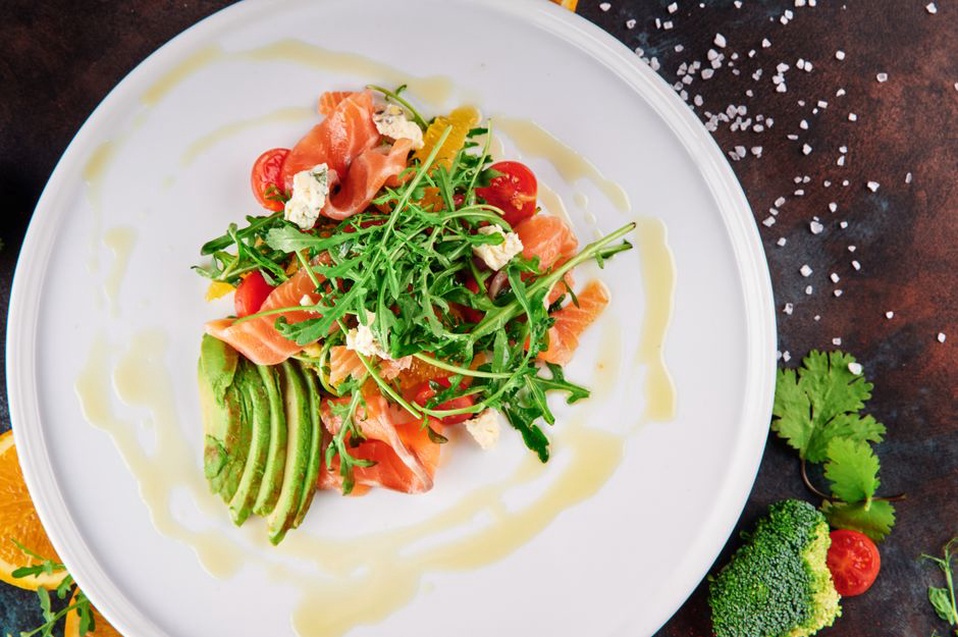
A lower C-reactive protein (CRP) result after changing your diet may feel encouraging. It does not prove that a particular food was causing inflammation, though, or that your immune system has been “reset.” CRP can shift with infection, injury, body weight, and other factors. Feeling better matters, too, but less bloating or joint discomfort cannot tell you on its own what is happening inside your immune system.
Paleo eating generally centers on vegetables, fruit, meat, fish, eggs, nuts, and seeds, while leaving out grains, legumes, dairy, and many processed foods. That combination can change nutrient intake and health markers in different ways. Rather than asking whether paleo is inherently “anti-inflammatory,” it helps to look at what actually changed on your plate—and what the evidence can tell you about those changes.
Inflammation is not the same as poor immunity
Inflammation is a normal part of immune defense and tissue repair. The short-lived response to an injury is different from the persistent, poorly regulated inflammation associated with some diseases. Immune function covers more than inflammation: it involves recognizing threats, responding appropriately, and avoiding attacks on the body’s own tissues. One blood marker—or how often you catch a cold—cannot tell you whether a diet is helping all of that.
That is why “immune boosting” is a misleading goal. More immune activity is not necessarily better, especially if you have an autoimmune condition. A sounder aim is to meet your nutritional needs and support your health without treating an eating pattern as a therapy for immune disease.
Where paleo might make a difference
Meal composition may change more than the label suggests
Imagine replacing sugary drinks, packaged snacks, and meals with few vegetables with water, fish, berries, and a generous serving of vegetables. Several things change at once: fiber and unsaturated fat intake may rise, calories may fall without deliberate restriction, and weight may change. Any of these could affect inflammatory markers. An improvement cannot automatically be credited to cutting out grains or dairy.
Fish supplies omega-3 fats, while produce offers fiber and a range of plant compounds. Nuts, seeds, and olive oil can add unsaturated fats if they are part of the menu. A paleo diet built mostly around processed meat, large portions of red meat, and little plant food has a very different nutritional profile. The label tells you what is excluded, not whether the meals are balanced.
The gut is involved, but claims need restraint
Gut microbes interact with dietary fiber and the immune system. Eating a variety of plants may help them produce compounds such as short-chain fatty acids, which researchers study for their roles in gut and immune regulation. A shift in the microbiome, however, does not prove that a diet has reduced harmful inflammation.
Grains and legumes provide fiber, too. Leaving them out can narrow the range of fermentable carbohydrates you eat. Vegetables, fruit, nuts, seeds, and starchy roots offer other options, but getting enough variety takes some thought. If a sudden jump in raw vegetables or large servings of nuts leaves you uncomfortable, try changing portions more gradually or cooking the vegetables before ruling out another food group. Bloating alone is not a reliable sign of immune inflammation.
What the research can and cannot establish
Small, often short-term studies of paleo-style diets have found improvements in some cardiometabolic measures, including weight, blood pressure, and blood sugar measures. Results for inflammatory markers are less consistent. The studies also use different menus, include different participants, and compare paleo with different diets. A plan that improves on someone’s previous meals may not work better than a well-planned, less restrictive diet that includes whole grains and legumes.
There is even less evidence that paleo strengthens immunity or prevents infections. Researchers can measure particular markers, but those numbers do not necessarily predict whether you will get sick less often. Context matters for individual results as well: a recent illness can affect CRP, while sleep, stress, medication, or the natural course of a condition can affect symptoms.
This distinction matters especially with autoimmune disease. The autoimmune protocol (AIP) is more restrictive than standard paleo and includes planned food reintroductions after an elimination phase. Small studies have looked at symptoms and quality of life in specific conditions, but they do not establish AIP as a treatment or show that the foods it excludes generally cause autoimmune disease. An elimination diet should not replace prescribed care.
Build meals without losing nutritional ground
When you remove food groups, you need to consider what they contributed. Dairy is a common source of calcium; grains and legumes can provide fiber, folate, and magnesium. Paleo meals can be nutrient-dense, but the name alone is no guarantee that you are getting enough.
- Keep plants varied: Rotate leafy greens, cooked vegetables, berries or other fruit, and starchy choices such as sweet potatoes rather than relying on the same salad every day.
- Vary protein sources: Include fish when practical, along with other protein foods you tolerate, instead of making processed meat the default.
- Think about calcium: Some leafy greens and fish with edible bones contribute calcium, but whether you get enough depends on portions and the rest of your diet.
- Eat enough: Unplanned under-eating can affect energy and well-being, even when your meals look “clean.”
Restrictions deserve particular care during pregnancy, for children, and for anyone with a history of disordered eating. A clinician or registered dietitian can help assess nutritional adequacy without assuming that stricter eating is better.
Notice changes without treating meals as a diagnostic test
If you change how you eat, keep track of a few things that matter day to day: digestive comfort, energy, or whether meals leave you satisfied. Note major changes in sleep, activity, illness, or medication, too. Otherwise, it is easy to blame the last ingredient you ate for a fluctuation that had another cause. If your clinician monitors an inflammatory marker, ask what the test means in your case and how to compare results over time.
Discuss persistent symptoms and significant diet changes with a doctor, particularly if you have an autoimmune condition. Unexplained weight loss, blood in the stool, or ongoing pain also warrants medical attention. If you suspect a specific food, ask whether testing or a supervised, time-limited elimination and reintroduction makes sense before cutting it out indefinitely.

You do not have to redesign your whole week to start noticing useful patterns. At your next familiar lunch, try adding two different vegetables and a protein you enjoy. Then note whether you feel comfortably full. That gives you something practical to work with, without assigning an “inflammation score” to the plate.