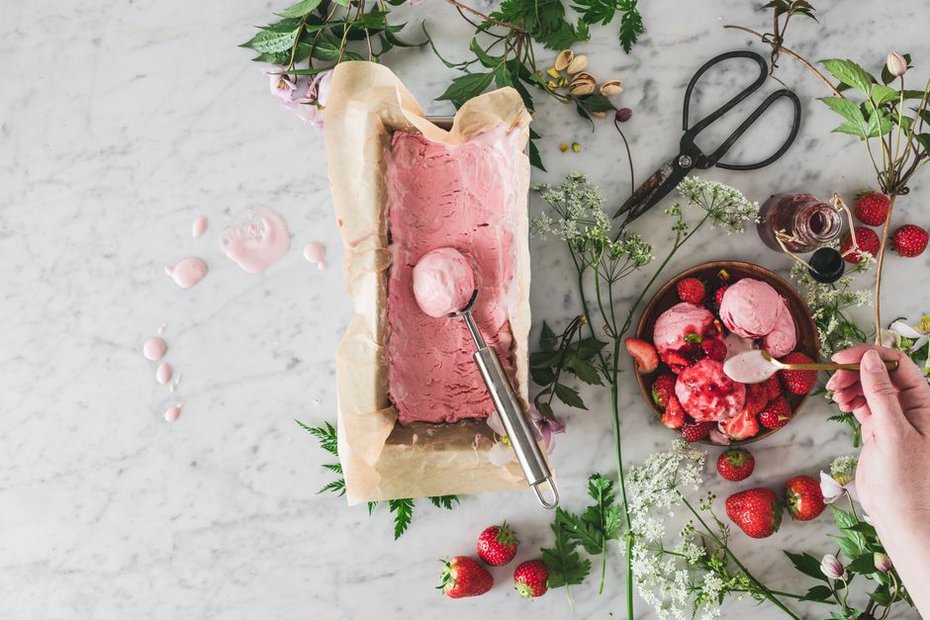
One warm spring evening in 2014, I stared into my freezer craving something cold, creamy, and sweet. I had been following a strict paleo and autoimmune protocol for months, carefully avoiding dairy, refined sugars, and any ingredient that might trigger bloating or fatigue. Most commercial ice creams were out of the question. But standing there, I realized I could create something that satisfied both my taste buds and my digestive system. That evening, I documented my process and shared it with readers under the working title “healthy icecream feed” — a practical, reproducible method for making a gut-friendly frozen dessert that aligns with elimination diets.
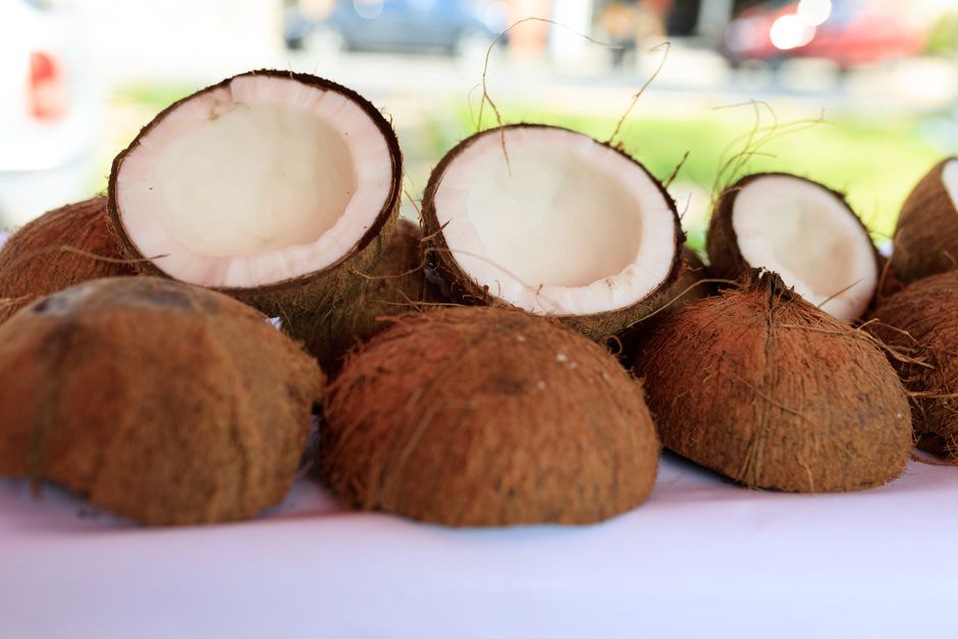
The base recipe I settled on uses coconut milk as the primary fat source. Full-fat canned coconut milk provides a creamy texture without the casein or lactose that often cause discomfort. For sweetness, I turned to a small amount of raw honey — roughly one tablespoon per pint — which is lower in fructose than agave or conventional sugar and less likely to ferment in the gut when consumed in moderation. If honey is a concern during the strict elimination phase, you can omit it entirely or use a pinch of stevia leaf powder, though the texture will be less smooth.
What made this recipe different from other paleo ice creams was the inclusion of gelatin. I had been using gelatin to support my gut lining during my own recovery from a second Epstein-Barr virus reactivation, and I noticed it added a silky mouthfeel to frozen treats. One tablespoon of high-quality grass-fed gelatin dissolved in a small amount of warm water before mixing stabilizes the ice cream and prevents large ice crystals from forming. This step is especially important if you do not own an ice cream maker — the gelatin helps the mixture stay scoopable even after freezing in a standard container.
Why Coconut Milk Works for Digestive Comfort
For readers following an autoimmune protocol (AIP) or dealing with food sensitivities, coconut milk is often a safe base. It contains medium-chain triglycerides (MCTs), which are easier to digest than long-chain fats found in dairy or nut-based milks. MCTs are absorbed directly into the portal vein and do not require bile salts for breakdown, making them less likely to trigger gallbladder stress or loose stools in sensitive individuals. I have personally found that nut milks, especially almond milk, can cause bloating due to their high ratio of polyunsaturated fats and the presence of phytic acid, which may irritate the gut lining when consumed in large quantities. Coconut milk avoids these issues entirely.
One common mistake is using light coconut milk. Light versions contain added water and often thickeners like guar gum, which can cause gas and discomfort in some people. I recommend purchasing full-fat coconut milk with only coconut and water on the ingredient list. A reputable brand will separate into a thick cream layer and a watery liquid when refrigerated — use both together for the best consistency.
Variations for Different Phases of Reintroduction
Once you have passed the strict elimination phase and are slowly reintroducing foods, you can experiment with add-ins that maintain digestive comfort. Here are three versions I tested in 2014, along with notes on how each affected my symptom tracking:
- Berry Swirl: Cook one cup of frozen blueberries or raspberries with one tablespoon of water until soft, then mash and swirl into the base before freezing. Berries are low in FODMAPs and generally well-tolerated. This version reminded me of the berry gelatin candy I later developed, which also relies on gelatin for gut support.
- Mint & Avocado: Blend half a ripe avocado with the coconut milk base and a handful of fresh mint leaves. The avocado adds healthy monounsaturated fats and a silky texture, while mint soothes digestion. This version is higher in calories but very satiating.
- Chocolate with Carob: Replace cocoa powder (which can be a histamine trigger for some) with raw carob powder. Carob is naturally caffeine-free and lower in oxalates than cocoa. Start with two tablespoons per pint and adjust to taste.
Each of these variations worked well for me during different phases of my own four-month paleo reset. I kept a daily symptom diary and noted that the berry and mint versions caused no bloating, while the carob version required pacing — eating half a serving per day and waiting to assess tolerance.
Step-by-Step: Making Ice Cream Without an Ice Cream Maker
Not everyone has a countertop ice cream maker, and during elimination diets, simplicity matters. Here is the method I used for this “feed” — a small batch approach that fits into a standard quart-sized freezer container:
- Bloom the gelatin. Sprinkle one tablespoon of gelatin over three tablespoons of cold water in a small bowl. Let it sit for five minutes until it becomes a firm gel.
- Warm the coconut milk. Pour one can of full-fat coconut milk (about 13.5 ounces) into a saucepan over low heat. Warm it until steaming but not boiling. Remove from heat.
- Dissolve the gelatin. Add the bloomed gelatin to the warm coconut milk and whisk until fully dissolved. Do not boil the mixture after adding gelatin, as high heat can destroy its gelling properties.
- Sweeten and flavor. Whisk in one tablespoon of raw honey and a pinch of sea salt. For the base recipe, add one teaspoon of vanilla extract. Pour the mixture into a shallow freezer-safe dish.
- Freeze and stir. Place the dish in the freezer. Every 30 minutes for the first two hours, remove it and stir vigorously with a fork to break up ice crystals. This step creates a creamy texture. After two hours, you can let it freeze undisturbed for another two to three hours.
- Serve at the right temperature. The ice cream will be very hard after four hours. Let it sit at room temperature for ten minutes before scooping. If you added gelatin, the texture should be scoopable, not icy.
I found that using a shallow dish (about 8×8 inches) increased the surface area and made the stirring process more effective. A deeper bowl leads to uneven freezing and larger crystals.
How Portion Size Affects Digestive Response
Even with gut-friendly ingredients, serving size matters. Coconut milk is rich in fats, and while MCTs are easier to digest than other fats, consuming a large volume in one sitting can overwhelm the digestive system, especially if you have compromised bile flow or a history of gallbladder issues. I recommend starting with a half-cup serving (about 120 milliliters) and waiting at least 20 minutes before deciding whether to have more. If you notice any heaviness, bloating, or loose stools within two hours, reduce the serving size next time or try the version without honey, as some people react to the fructose in honey even in small amounts.
Another factor is the temperature of the food itself. Very cold foods can temporarily slow gastric emptying in some individuals, leading to a sensation of fullness or discomfort. If you are prone to sluggish digestion, let the ice cream soften for 15 minutes at room temperature instead of 10. This small change can make a noticeable difference.
Tracking Symptoms After Introducing This Treat
I encourage readers to log their symptoms before and after trying any new recipe, especially during an elimination diet. In my own journal, I recorded the following for the berry swirl version:
| Time | Symptom | Notes |
|---|---|---|
| Before eating | None | Feeling calm, no bloating |
| 30 minutes after | None | Enjoyed taste, no reactions |
| 2 hours after | Mild warmth in stomach | Possibly due to honey; resolved within 30 minutes |
| Next morning | Normal bowel movement | No loosening or urgency |
This kind of tracking helps distinguish between a genuine food intolerance and a normal digestive response to a new food. If you see a pattern of symptoms that lasts longer than a few days, consider removing the treat for a week and then retesting once. Always discuss persistent symptoms with your healthcare provider, as they may indicate a need for broader dietary or medical assessment.
The healthy ice cream I made that evening in 2014 became a small ritual — a reminder that restrictive eating does not have to mean giving up pleasure. By choosing ingredients that align with your current digestive capacity and paying attention to portion size, you can enjoy a cold, creamy dessert without sacrificing the progress you have made in your healing journey.