
When I first fell ill with Epstein-Barr virus (EBV) years ago, I assumed the fatigue, sore throat, and swollen lymph nodes would pass within a few weeks. They did, more or less, and I went back to my usual routine. So when a second round hit in early 2014, I was caught off guard. This time the symptoms were different—less acute but more persistent, with a low-grade fog that made meal prep feel like a marathon. I had already shifted to a Paleo template to manage digestive issues, but this second encounter forced me to rethink how I was supporting my body through viral stress without resorting to extreme restriction.
EBV is a herpesvirus that infects over 90% of the global adult population, typically during childhood or young adulthood. After the initial infection, it remains latent in B lymphocytes and can reactivate during periods of immune challenge, physical stress, or hormonal shifts. A second symptomatic round is not uncommon, especially in people with underlying gut dysbiosis or nutrient insufficiencies. For me, the reactivation coincided with a period of poor sleep and a too-aggressive elimination diet that left me low on calories and certain micronutrients.
How EBV Reactivation Affects Digestion and Nutrient Needs
During a reactivation, the immune system ramps up production of interferons and pro-inflammatory cytokines. This can alter gut motility, reduce stomach acid secretion, and shift the composition of the intestinal microbiota toward less diverse, more inflammatory species. In my case, I noticed bloating after meals I had previously tolerated well—things like roasted carrots and boiled eggs. The bloating was accompanied by a sensation of incomplete emptying, which I later learned is common when vagal tone is compromised by systemic inflammation.
From a nutritional standpoint, EBV reactivation increases demand for several nutrients that support viral defense and mitochondrial function:
- Zinc: Required for proper T-cell activity and natural killer cell function. Oysters, red meat, and pumpkin seeds are good Paleo sources.
- Vitamin D: Modulates the immune response and may help reduce reactivation frequency. Sunlight exposure and fatty fish are the most reliable food sources.
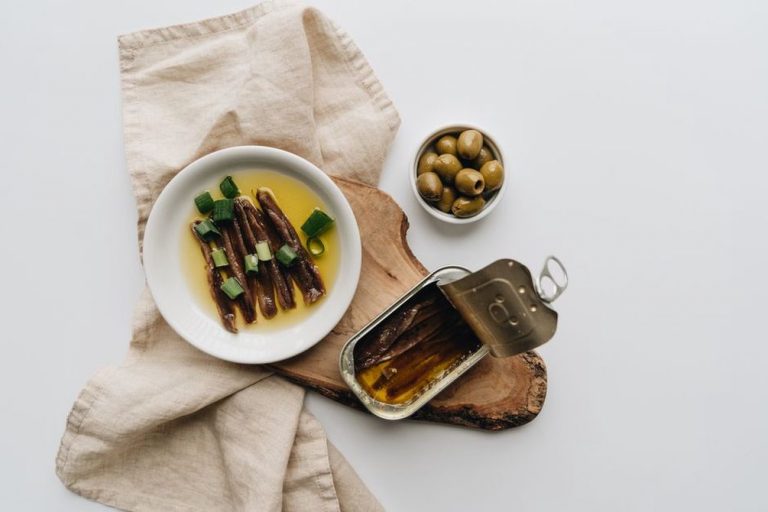
- B vitamins, especially B6 and B12: Involved in energy metabolism and neurotransmitter synthesis. Liver, sardines, and egg yolks provide these in bioavailable forms.
- Magnesium: Supports muscle relaxation and sleep quality, which is often disrupted during viral illness. Dark leafy greens and almonds are helpful, though soaking nuts can reduce phytic acid if digestion is sensitive.
I began tracking my food intake more carefully and realized I was falling short on zinc and B12 because I had cut out red meat due to a temporary aversion. I reintroduced small portions of grass-fed beef liver once a week, which helped without overwhelming my system. If you are in a similar situation, it is worth evaluating whether your current elimination diet is providing enough of these key nutrients, especially if you have been restricting food groups for a while.
Adjusting My Paleo Template for the Reactivation Phase
My usual Paleo approach emphasized fibrous vegetables, moderate protein, and healthy fats. During the second EBV round, I found that high-fiber meals amplified my bloating and left me feeling drained. I suspect this was because my gut motility had slowed and the microbial fermentation of fiber was producing excess gas. I temporarily shifted to a lower-fiber, nutrient-dense pattern that still adhered to Paleo principles but was gentler on digestion.
Here is what that looked like for a typical day:
| Meal | Foods | Why This Worked |
|---|---|---|
| Breakfast | 3 scrambled eggs with a small handful of spinach cooked in ghee, plus a few slices of avocado | Eggs provide choline and B12; spinach offers magnesium without excessive fiber when cooked; avocado adds potassium and calories |
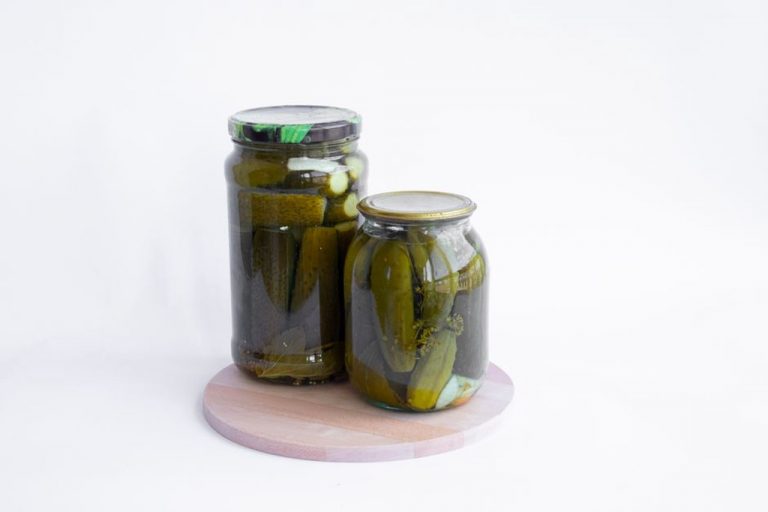
| Lunch | Bone broth with shredded chicken, diced zucchini, and a spoonful of fermented carrot kraut | Bone broth supplies glycine and glutamine for gut lining support; kraut adds a small amount of probiotics without the high FODMAP load of other ferments |
| Snack | Small handful of macadamia nuts or a piece of dried mango (no added sugar) | Easy to digest, calorie-dense, and low in fermentable carbohydrates |
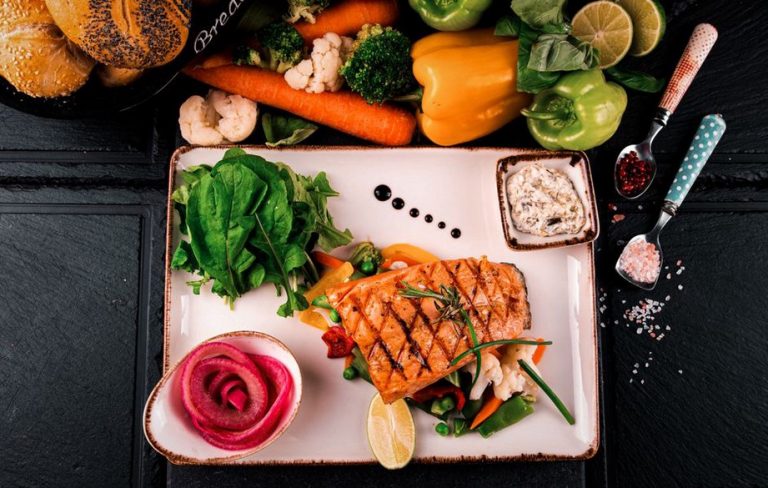
| Dinner | Pan-seared salmon fillet with roasted asparagus and a side of mashed sweet potato with coconut oil | Salmon provides vitamin D and omega-3s; sweet potato offers gentle carbs for energy without the gas from cruciferous vegetables |
I also increased my intake of well-cooked root vegetables and decreased raw salads. Cooking breaks down cellulose and makes plant cell walls more accessible, which reduces the digestive load. This is a small adjustment that can make a big difference when your system is already working hard to fight a virus.
What I Learned About Reintroducing Foods After a Flare
Once the acute fatigue and sore throat began to subside—about three weeks in—I was eager to return to my normal diet. But I made the mistake of reintroducing multiple foods at once, including raw kale and a large serving of almonds. Within hours, I had significant bloating and a return of the dull headache I had associated with the viral phase. It turned out my gut was still sensitive to high-salicylate foods and large amounts of insoluble fiber.
This experience reinforced a principle I had read about but had not fully internalized: after a viral insult, the intestinal barrier can remain temporarily permeable, and the immune system may react to food antigens that it previously tolerated. A gradual, single-food reintroduction protocol is safer and more informative. I went back to a very simple baseline—cooked vegetables, bone broth, and a single protein source—and then added one new food every three days while noting any changes in digestion, energy, or mood.
If you are navigating a similar situation, I recommend keeping a simple log of what you eat and how you feel two to four hours after meals. This is not about creating a permanent list of forbidden foods; it is about identifying which items your body can handle while it is still in a recovery state. For a more detailed framework on how to approach food reintroductions systematically, you may find the post Down the Rabbit Hole: When Elimination Diets Reveal Hidden Intolerances helpful, as it covers the step-by-step process I used after my own elimination diet.
Practical Tips for Managing Digestive Discomfort During Viral Stress
Beyond food choices, I found a few non-dietary practices that made a real difference during the second EBV round:
- Eat smaller, more frequent meals. Large meals can trigger a vasovagal response that diverts blood flow away from the gut and toward skeletal muscles, which is counterproductive when digestion is already sluggish. I switched to four or five smaller meals spaced three hours apart.
- Prioritize chewing. This sounds trivial, but when I was fatigued, I tended to rush through meals. Thorough chewing mechanically breaks down food and signals the stomach to produce acid and enzymes. I set a timer for 20 minutes per meal to slow down.
- Use gentle movement after eating. A short walk of five to ten minutes after a meal can stimulate peristalsis and reduce bloating. I avoided intense exercise during the worst of the fatigue, but light movement was helpful.
- Consider the role of histamine. EBV reactivation can increase histamine release from mast cells. If you notice flushing, nasal congestion, or headaches after eating high-histamine foods like aged meat, fermented vegetables, or avocado, you might benefit from choosing fresher, lower-histamine options temporarily. This is not a permanent restriction—just a support measure during the flare.
I also revisited my approach to gut health more broadly. The second EBV round made it clear that my digestive system was not an isolated system—it was deeply connected to my immune status and overall energy levels. For a broader look at how Paleo principles can be adapted when gut symptoms persist despite a clean diet, the article Paleo for Gut Health: A Practical Guide to Reducing Bloating and Finding Your Triggers offers strategies that align with the gentle, evidence-informed approach I try to follow.
A Final Note on Patience and Self-Monitoring
Recovering from a second EBV episode took me about six weeks, with the first two being the hardest. I did not eliminate all discomfort, and I did not expect to. What helped most was accepting that my body needed different support than it did during the first infection—more rest, fewer raw vegetables, and a willingness to eat foods that felt nourishing even if they were not the ones I usually recommended to others. The Paleo template is a starting point, not a rigid prescription, and viral stress is one of those times when flexibility matters more than purity.
If you are reading this because you suspect you are dealing with a reactivation or a lingering viral illness, I encourage you to work with a healthcare practitioner who can order appropriate lab work and rule out other causes of fatigue and digestive upset. Viral reactivation can look like other conditions, and self-diagnosis is never reliable. In my case, a simple antibody panel confirmed elevated early antigen titers, which gave me the clarity to focus on support rather than endlessly tweaking my diet for a problem that was not primarily food-related.
I still eat a mostly Paleo diet, but I now keep a few well-cooked, low-fiber meals in my rotation for days when my digestion feels fragile. I also make sure to include liver or other organ meats at least once a week, as they provide concentrated nutrients that are hard to get from muscle meat and vegetables alone. If you are curious about why organ meats are particularly valuable during recovery phases, the post Why Organ Meats Deserve a Spot in Your Paleo Diet explains their nutrient profile in more detail. The second round of EBV taught me that recovery is not linear, and that is okay. Small, consistent adjustments—not dramatic overhauls—are what got me through.