
When I first encountered the phrase “Berry Delicious Candy Feed” on a label at a health-food store in 2014, I laughed at the whimsical name. A friend had handed me the bag, insisting it was a clean, fruit-based snack she used to satisfy her sweet tooth without deviating from her low-FODMAP protocol. I was skeptical. Anything marketed as “candy” usually contains refined sugars, artificial flavors, or gums that could stir up bloating in someone with a sensitive gut. But the ingredients list was short: dried wild blueberries, coconut flakes, a touch of honey, and something called “candy feed” which, as I later learned, was a term some small producers use for a concentrated berry pulp that gets slow-dehydrated at low temperatures. No added pectin, no citric acid, no chicory root fiber. For a moment, I thought I had found a paleo-compatible treat that would not sabotage my digestion. The reality turned out to be more nuanced.
The concept of a berry-based “candy feed” dates back to homesteading practices in the Pacific Northwest, where foragers would cook down huckleberries or salal berries into a thick paste, spread it on wooden boards, and let it dry in the sun. The result was a leathery, intensely sweet slab that could be stored for months. Modern versions replace wild berries with cultivated blueberries, strawberries, or raspberries, and often add honey or maple syrup to reach a candy-like sweetness. For anyone on a strict paleo diet—especially those following an autoimmune protocol (AIP) or a low-histamine approach—the appeal is obvious: whole fruit, no grains, no legumes, no dairy. Yet my own digestion did not always cooperate with even the simplest fruit confections.
I remember a specific afternoon in late May 2014. I had just reintroduced dried fruit after a three‑week elimination phase, hoping to expand my breakfast options beyond eggs and greens. I ate a small handful of a store‑bought berry candy feed similar to the one my friend had shared. Within an hour, I felt a familiar tightness in my lower abdomen—not the sharp pain of a food allergy, but the dull, gurgling pressure of fermentation happening a bit too fast. At the time, I had not yet connected the dots between fruit sugars and my small intestinal bacterial overgrowth (SIBO). That experience is something I later explored in detail in a post titled How a Paleo Diet Failed Me: My SIBO Diagnosis and What I Learned, where I describe how my seemingly clean diet still triggered bloating because of the sheer load of fermentable carbohydrates.
What Exactly Is a “Candy Feed” in a Paleo Context?
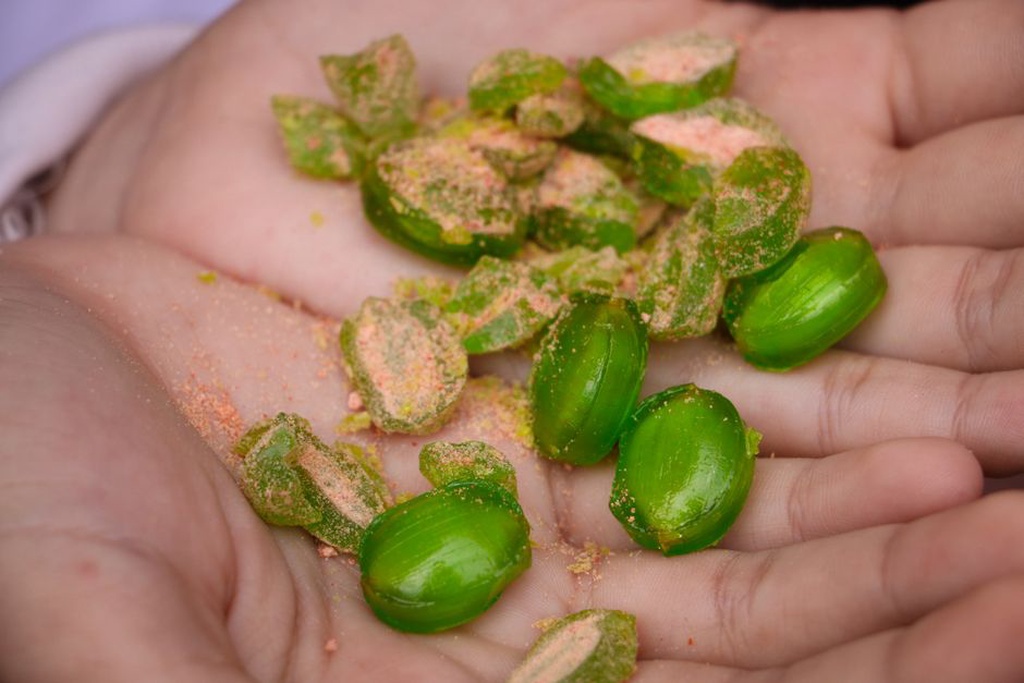
The term “candy feed” is not a standardized industry term. In the small-batch food world, it usually describes a fruit preparation that has been concentrated to a sugar density high enough to act as a natural preservative without refrigeration. Unlike fruit leather, which is rolled thin, a candy feed is often formed into small nuggets or disks that resemble chewy candies. The key difference between a paleo‑friendly version and a conventional fruit snack lies in the additives. Mainstream fruit snacks contain apple juice concentrate, corn syrup, gelatin (often from non‑grass‑fed sources), and carnauba wax. A paleo candy feed should contain only whole fruits, a minimal amount of honey or maple syrup (if any), and perhaps shredded coconut or nuts for texture. But here is the part that matters for digestive comfort: the process of concentrating fruit sugars also concentrates fructose and polyols, which are common triggers for gas and bloating in people with fructose malabsorption or irritable bowel syndrome (IBS).
When I worked with clients who were trying to identify their personal triggers, I often recommended they test dried fruit or fruit-based confections as a separate category—not as a snack to be eaten freely, but as a single variable to observe. A berry candy feed can be a useful test food precisely because it is so concentrated. If you tolerate a small amount of fresh blueberries but react to the same weight of dried blueberries, the difference is likely the sugar concentration or the drying process itself. Sulfites are sometimes added to commercial dried fruit to preserve color, and sulfites are a known irritant for many people with histamine intolerance. Even unsulfured dried fruit can have higher levels of biogenic amines due to the prolonged exposure to heat during dehydration.
Practical Tips for Enjoying Berry Candy Feed Without the Bloat
If you want to incorporate berry candy feed into your paleo lifestyle without sacrificing gut comfort, consider the following strategies. They are based on both personal experimentation and the patterns I have observed in my own journey with elimination diets and reintroduction phases. I have written a more detailed framework for identifying triggers in Down the Rabbit Hole: When Elimination Diets Reveal Hidden Intolerances, but the tips below are specific to fruit concentrates.
- Portion size matters more than ingredient purity. A single berry candy feed nugget (about 10–15 grams) might be well tolerated, while a handful of 50 grams triggers noticeable distention. Start with the smallest amount possible—literally one piece—and wait 45 minutes before eating more.
- Pair it with a source of protein or fat. Eating fruit sugars alone can lead to a rapid spike in blood glucose and, in sensitive individuals, more rapid fermentation in the gut. Having the candy feed with a tablespoon of almond butter, a few slices of turkey, or a piece of hard cheese (if you tolerate dairy) slows down absorption and reduces gas production.
- Check for hidden fibers. Some brands add inulin (chicory root fiber) or oat fiber to bulk up the product. These are not paleo and are notorious for causing bloating even in small amounts. If the ingredient list includes any form of “fiber” other than the fruit itself, be cautious.
- Consider the drying temperature. Low‑temperature dehydration (below 115°F / 46°C) preserves more enzymes and may be gentler on digestion for some people, though this is an area where individual variation is huge. If you react to commercially dried fruit but not to homemade versions, the difference might be the temperature or the addition of preservatives.
The Role of Sugar Content and Fructose Load
One of the most overlooked aspects of any fruit-based “candy” is the ratio of fructose to glucose. Most berries have a favorable ratio (more glucose than fructose, or roughly equal), which reduces the osmotic load on the small intestine. However, when you dry berries, the water is removed, and the sugar concentration skyrockets. A 100‑gram serving of fresh blueberries contains about 10 grams of fructose. The same weight of dried blueberries can contain 30–40 grams of fructose because the water weight is gone. For someone with compromised motility or a history of SIBO, that amount of fructose arriving in the small intestine at once can overwhelm the transport mechanisms and become food for bacteria, leading to gas and abdominal pain.
I have seen people in my online community give up on fruit entirely because they blamed the berry itself, when in truth the concentrated form was the problem. If you find that you tolerate fresh berries but not a berry candy feed, you are not alone. You may still be able to enjoy fresh berries in season, while using the dried version only as an occasional hiking snack or a tiny flavour burst in a fat‑heavy meal like a salad with avocado and grilled chicken.
How to Make a Gut‑Friendly Berry Candy Feed at Home
When I make my own version, I follow a process that minimizes potential irritants. Start with frozen organic wild blueberries—they are lower in pesticides and often have a more intense flavour, so you need less sweetener. Thaw them and mash them slightly, then spread the puree very thinly (about 3–4 mm thick) on a dehydrator sheet lined with a non‑stick mesh. Dehydrate at 115°F for 12–14 hours, until the sheet peels off easily but is still pliable. Cut into small squares and store in an airtight container in the refrigerator. You can add a pinch of sea salt, which helps balance electrolytes and may blunt the blood‑sugar spike, but skip the honey unless your sweet tooth absolutely demands it. The berries themselves are sweet enough.
If you do not own a dehydrator, you can use an oven set to the lowest possible temperature (usually 150–170°F / 65–75°C) with the door slightly ajar. The texture will be slightly different—chewier and more like a fruit leather—but the principle of concentration is the same. The key is to avoid any added sugar or thickeners. The simpler your ingredient list, the easier it will be to identify what your gut is reacting to if a reaction occurs.
A note on histamine: Berries are generally low in histamine, but the drying process can increase histamine levels because the prolonged warm temperature allows bacterial enzymes to convert histidine into histamine. If you have histamine intolerance, you may react more to dried berries than to fresh ones, even if you tolerate fresh berries perfectly.
The Takeaway for Your Elimination or Reintroduction Phase
If you are currently following an elimination diet and planning to reintroduce fruit‑based treats, treat a berry candy feed as a separate test item, distinct from whole fresh fruit. Prepare a small batch without any added sweeteners or spices. Eat a single piece on an empty stomach, in the morning, after at least 12 hours of fasting. Then record any symptoms—bloating, gas, brain fog, skin changes—over the next 4 hours. This singular focus will give you clearer data than mixing the candy feed into a smoothie or yogurt. If you tolerate it, you can gradually increase the portion. If you react, you will know that either the sugar concentration, the drying method, or the fruit itself is a trigger for you at this stage of your healing journey.
Ultimately, a berry candy feed can be part of a satisfying paleo repertoire, but it demands respect as a potent, concentrated food. Approach it the same way you would approach reintroducing nuts, eggs, or nightshades: slowly, with curiosity rather than expectation, and always in collaboration with your healthcare provider if you have a diagnosed digestive condition.