Raw kidney beans can cause severe nausea and vomiting. They contain high levels of phytohaemagglutinin, a lectin that proper boiling reduces to safe levels; a slow cooker alone may not get hot enough. That food-safety warning is sometimes stretched into a claim that all lectins in all foods are harmful. The evidence does not support treating them as one uniform threat.
What lectins are—and why paleo eaters hear about them
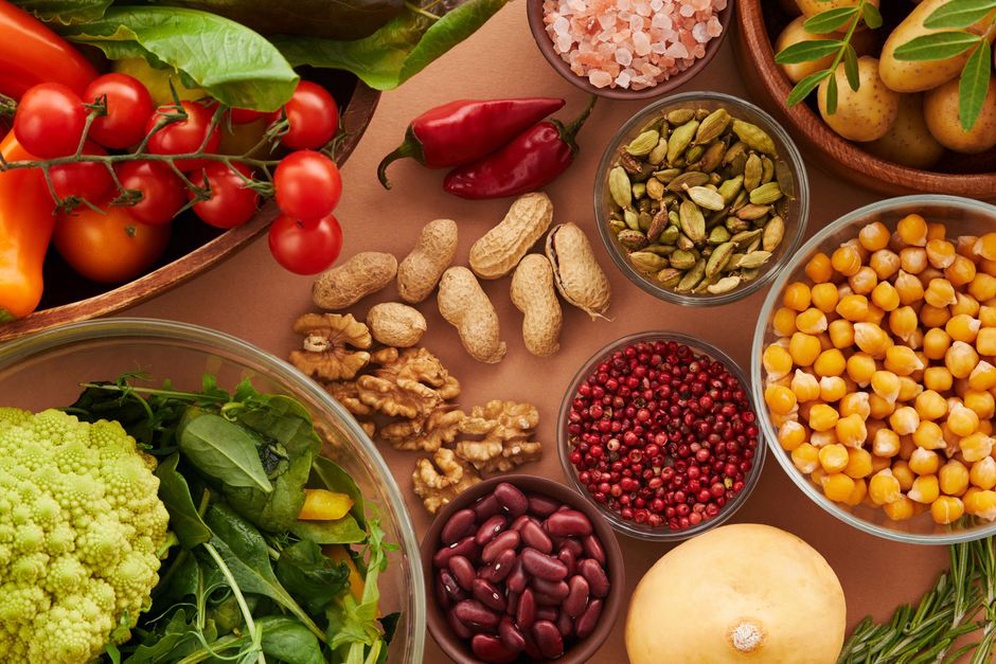
Lectins are proteins that bind to certain carbohydrates. They occur in many plants, including legumes, grains, tomatoes, potatoes, nuts, seeds and some fruits. Their structures and effects vary, and the amount in a raw food may differ from what remains after preparation. Lectins also occur in some animal-derived foods, so a literally lectin-free diet is neither practical nor particularly meaningful.
Standard paleo eating usually excludes legumes and grains, two often-cited lectin sources. But avoiding lectins is not the central reason for every paleo food choice. To assess a lectin-related risk, you need to consider the particular food, how it was prepared and how much is normally eaten. A tomato and an undercooked kidney bean do not pose equivalent risks.
What happens during cooking and digestion?
Some lectins resist digestion and bind to cells in laboratory experiments. That helps researchers study possible effects, but an isolated lectin in a lab is not the same as a cooked, mixed meal. Human evidence linking ordinary dietary lectin intake to chronic digestive problems or autoimmune disease remains limited.
Preparation matters most clearly with beans. Soaking them, discarding the soaking water and boiling them thoroughly reduce lectin activity. Canned beans have already been processed at high heat. Dried kidney beans need particular care: follow reliable food-safety cooking instructions rather than relying on low-temperature slow cooking. Pressure-cooking, fermentation and sprouting can also change lectin activity, though the effect depends on the food and the method.
Cooking does not address every reason a food might be uncomfortable. An onion may soften when cooked yet still contain fermentable carbohydrates. If a meal causes bloating, its fiber load, portion size, fat content or another ingredient may matter more than its lectins.
Does avoiding lectins improve digestive comfort?
Feeling better after giving up beans or wheat does not tell you which component made the difference. Beans contain fermentable carbohydrates that can increase gas. Wheat contains gluten and other components that matter to different people for different reasons. Even a sudden increase in fiber can cause symptoms. If several food groups go at once, it becomes harder still to tell what helped.
Claims that lectins universally damage the intestinal lining or trigger inflammation go beyond the evidence. Cell and animal findings raise questions worth studying, but they do not prove that properly prepared lectin-containing foods damage healthy human intestines. There is no good evidence that everyone with digestive symptoms needs a low-lectin diet. Persistent bloating, pain, diarrhea or other symptoms warrant a conversation with a clinician, not a series of ever-broader exclusions.
Paleo, AIP and “low-lectin” are not interchangeable
Paleo commonly leaves out legumes and grains but may include tomatoes, peppers, nuts and seeds. The autoimmune protocol, or AIP, has a more restrictive elimination phase that typically removes those foods too, followed by structured reintroduction to assess how they are tolerated. Neither approach can establish that lectins caused a person's symptoms. AIP is an elimination framework, not a test for lectin sensitivity or a substitute for medical care.
Some proposed low-lectin plans discourage a much wider range of fruits and vegetables. Those restrictions can crowd out fiber, micronutrients and foods you enjoy. If you are considering a restrictive plan, discuss its purpose and nutritional adequacy with a doctor or registered dietitian rather than trying to eliminate every food on a circulating lectin list.
A practical way to evaluate a suspected trigger
If one food repeatedly seems troublesome, look at the food and the circumstances, not just the label “lectin.” Brief notes can help you spot a pattern without making every meal an experiment:
- Name the specific food and form. Record canned versus home-cooked beans, raw versus cooked tomatoes, or whole nuts versus nut butter.
- Note the serving and the rest of the meal. A large bean salad eaten quickly may feel different from a small portion alongside familiar foods.
- Track timing and symptoms briefly. Note what happened and when, including days the same food caused no problem.
- Change one thing at a time when feasible. Removing beans, grains, nightshades and nuts together makes it difficult to learn which change mattered.
A repeatable pattern is useful to discuss with a clinician, but a symptom diary cannot diagnose a lectin-related condition. Seek medical advice before major dietary changes and for persistent symptoms, especially unexplained weight loss, blood in stool, frequent vomiting or symptoms that disrupt daily life. If celiac disease is a possibility, ask about testing before removing gluten; avoiding it beforehand can affect test results.

Keep the nutritional trade-offs visible
Legumes and whole grains provide fiber and nutrients, so removing them means paying attention to what takes their place. A paleo pattern can still include varied vegetables, fruit, tubers, fish, eggs and other tolerated foods. You do not need a single “safe” substitute for each excluded food. Nuts and seeds can contribute nutrients when tolerated, despite containing lectins; a “high lectin” label alone is not a reason to avoid them.
With AIP, the elimination phase can easily turn into a permanent menu by default. Planned reintroduction may help distinguish a food that consistently causes symptoms from one that was removed for the protocol but can be eaten comfortably. Work with a healthcare professional if restrictions are extensive, symptoms persist or meeting nutritional needs is difficult.
Before changing your diet, try writing down one suspected food, how it was prepared and how much you ate. “Half a cup of thoroughly cooked beans with dinner” gives you and your clinician more to work with than “lectins caused bloating.”