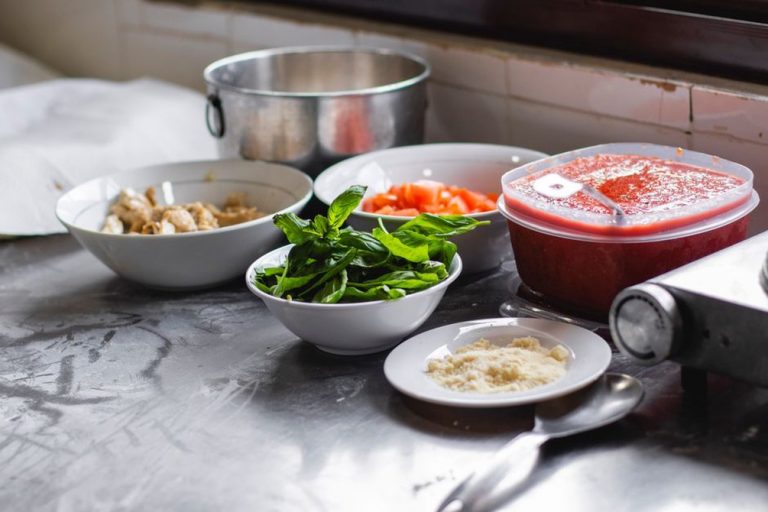

“Can you keep the roast chicken separate from the sauce?” gives someone a clear way to help. “Please support my AIP diet” leaves them guessing. The autoimmune protocol (AIP) can complicate shopping, shared meals, workdays and social plans, so a few practical agreements can take some of that work off your shoulders.
Support does not mean everyone around you has to eat AIP. A partner might check before adding a seasoning blend; a friend might pick a restaurant where you can ask about ingredients. A clinician can help you decide whether a restrictive diet makes sense for you in the first place. The goal is a workable arrangement, not a household conversion.
Decide what kind of help you actually need
AIP is an elimination-and-reintroduction approach: several food groups are removed temporarily, then foods are tested again in a structured way. It is not a treatment or a way to diagnose the cause of symptoms. Discuss persistent symptoms and planned diet changes with a doctor before starting. Because the elimination phase can be restrictive, a registered dietitian familiar with elimination diets can help you check that you are eating enough and getting enough variety, especially if you already avoid other foods.
Start with whatever keeps causing trouble. If you cook for a family, dinner may be the sticking point. If you live alone, a friend joining you for groceries after a demanding week may help more. And if worry about food has become the biggest burden, stepping back and talking with a qualified professional may be more useful than collecting another recipe.
- Food logistics: Shopping, ingredient checks, shared kitchen space and meals away from home.
- Time and energy: Help with grocery pickup, dishes or another household task when cooking takes longer.
- Emotional support: Someone who will listen without interpreting every symptom or judging a food choice.
- Clinical guidance: Help assessing symptoms, nutritional adequacy and whether to continue or change course.
Pick one or two requests to make first. “Could you leave the seasoning off my portion on Tuesdays?” is easier to act on than a standing request to be careful with every meal.
Give household members a role, not a rulebook
Anyone preparing food for you needs to know what you currently avoid. They do not need a lecture on every ingredient excluded under AIP. A short note with your avoid list, a few meals you can share and the location of your labeled ingredients is usually more useful than a long explanation of the protocol.
Agree on the handoff points
For shared dinners, work out where the meal can branch. You might cook a protein and vegetables with ingredients that work for you, then let others add sauce, bread or seasoning at the table. Decide who checks packaged ingredients and who makes any separate component. It is much easier to settle those questions before dinner is nearly ready and no one knows what went into the marinade. For more detail, the guide to AIP meal planning for two without cooking two dinners looks at that specific challenge.
Labels and recipes can change, so a product that worked last month still needs checking. If someone else shops for you, give them a short list of acceptable choices and ask for a label photo if a substitution is unclear. Let them know it is fine to skip an item rather than guess.
Keep boundaries proportionate. A family member making their own food may not need to change it; someone preparing your portion needs accurate ingredient information. If shared equipment or ingredients are a concern, agree on a cleaning and storage routine. “Separate” can mean different things to different people.
Make the arrangement reciprocal
The person helping with meals has a budget, preferences and limits on their time, too. Ask which tasks they can reasonably take on. You could make a shared vegetable dish while they handle cleanup, or keep a shelf of straightforward ingredients so another cook does not have to search the cupboards. Revisit the arrangement when schedules or energy levels change.
Build a small circle beyond the kitchen
Friends, coworkers and relatives usually need information about the occasion at hand, not the full protocol. You could tell a host, “I’m following a temporary elimination plan, so I’ll bring a dish I can eat. Please don’t plan the menu around me.” If they would like to cook for you, suggest a specific option and ask for the ingredient list in advance. Bringing your own food removes uncertainty; it is not a criticism of theirs.
At work, look for the smallest accommodation that solves the problem. You might need the meeting lunch location early enough to check the menu, a meal you can eat during a long shift, or a way to decline surprise food without discussing your health history. “Thanks, I’m not having that right now” is often enough. How much you disclose is up to you.
Time with friends does not have to center on a meal. A walk, a phone call while you plan groceries or an invitation where eating is optional can keep you connected when restaurants feel complicated. If someone repeatedly debates your choices, you can say, “I’m making this decision with my healthcare team, and I’d rather talk about something else.”

Choose professional and online input carefully
A doctor can assess symptoms rather than assuming food is the cause, and advise on how diet changes fit with your medical care. A dietitian can help you plan adequate meals, review how long and how widely you are eliminating foods, and make reintroductions manageable. If appointment time is limited, bring a concise account of what you usually eat, your restrictions, symptoms and main questions. That leaves more time to discuss decisions.
Online groups can be good places to find meal ideas and talk with people who understand the inconvenience of an elimination diet. They are less useful for diagnosing symptoms or declaring a food unsafe for everyone. Someone else’s experience does not predict yours. Be wary of groups that discourage medical care, push ever-longer exclusion lists or treat ordinary symptom fluctuations as proof that you have failed.
You might ask one trusted person to notice when the plan is taking a toll, without asking them to monitor your plate: “If I start turning down every invitation because I can’t control the food, please ask whether I want help making a plan.”
Plan support for reintroduction, not just elimination
The elimination phase gets a lot of attention because its rules are visible. Reintroduction also takes time and appropriate guidance, along with a setting where your observations are easier to interpret. Talk with your doctor or dietitian about when and how to begin, especially if you have complex health needs or a history of significant reactions. Do not test a food you have a known allergy to through a self-directed reintroduction.
One useful request is, “I’m trying one food this week; can we keep the rest of our shared dinners familiar?” Keeping other factors relatively steady may make your notes easier to interpret, but it does not prove a symptom was caused by the food you tested. Sleep, stress, illness and ordinary day-to-day variation can affect how you feel, too.
Ask supporters to leave room for uncertainty. “You looked fine after eating it” and “That food is clearly the problem” are both verdicts based on too little information. “Do you want me to note the ingredients we used?” is more helpful. If you track symptoms, keep the notes brief and bring them to a clinician rather than asking friends to analyze them.
Set up a fallback for difficult weeks
Your plan should still work when your usual helper is unavailable. Keep a short list of low-effort meals made with ingredients you generally tolerate, note which nearby shops reliably carry those basics, and write a shopping list someone else could follow. If preparing food has to take priority for a while, decide which household task can wait. Leave room for rest.
Know when to review the plan itself. If you are struggling to eat enough, your list of tolerated foods keeps shrinking, food decisions are causing substantial distress or symptoms persist, speak with a doctor rather than tightening restrictions on your own. AIP should not replace medical evaluation or care; discuss ongoing symptoms and diet changes with your doctor.
Before the next shared meal, try sending one concrete request: “Could you set aside my portion of the vegetables before adding the sauce? If that’s awkward, I can bring my own side.” It tells the other person exactly what would help and gives them an easy alternative.